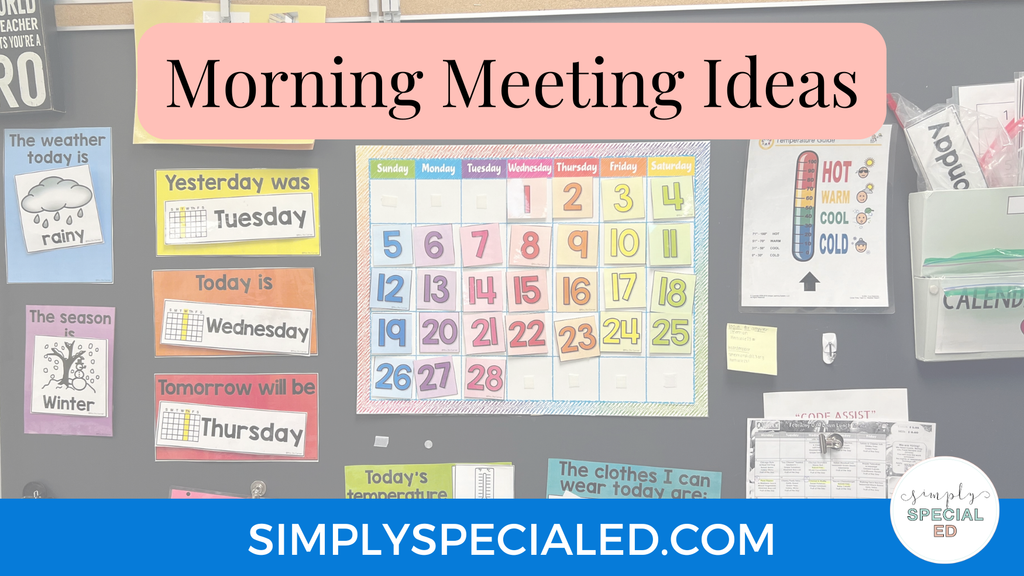
Morning meeting is such an important way to start your day! Having a routine with morning meeting will help create predictability in your schedule. Students will learn how to greet one another, participate in a question, and discuss the calendar and weather. Learning the day, month, year, and what to wear in each weather and season is a crucial life skill for everyone. You can alter your morning meeting depending on grade level to make it appropriate for your age group. For younger students, you may include songs embedded into your morning meeting, like this Super Simple “How’s the Weather” song. For older students, you might add in some community skills, like finding an important sign in community.
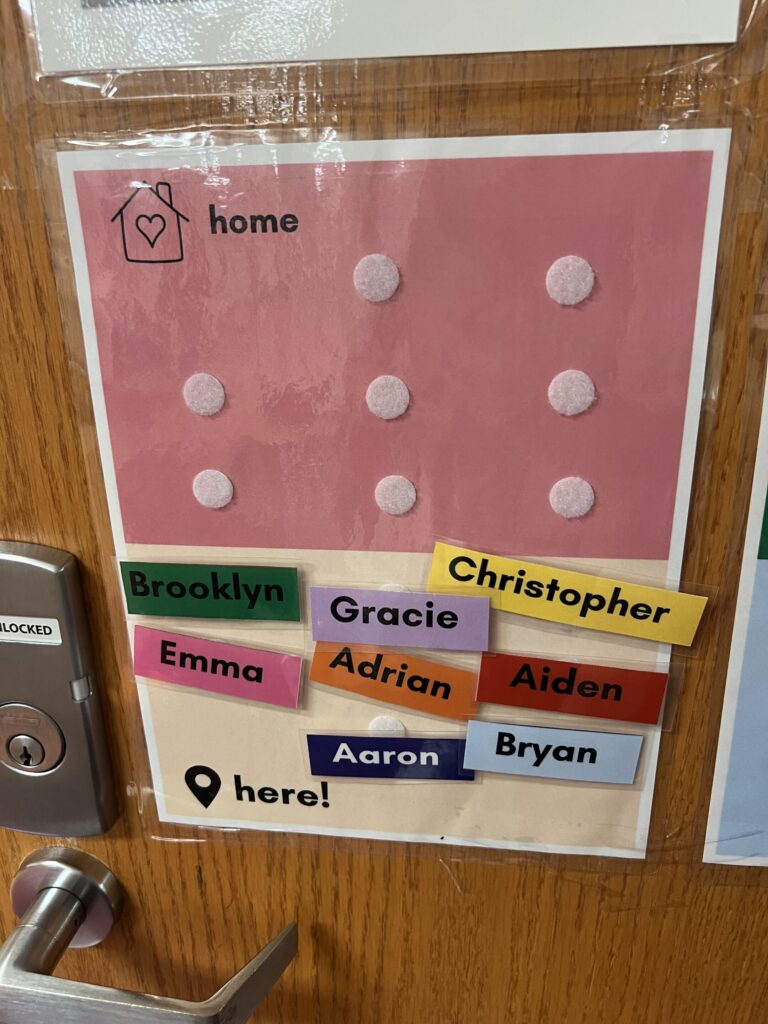
Attendance
I love starting my morning meeting group by taking attendance with students. If you have students who are not yet readers, you can use their faces with names. I have 2 boxes: here and absent. Students can drag and drop their face and name into the box if they are at school. This is a great activity for students to learn each other’s names! You can include adults as well. The example above is a static check in on the door, where students move their names to the appropriate box. If a student is not present, you can have a student helper move their name to the “absent” or “home” box.
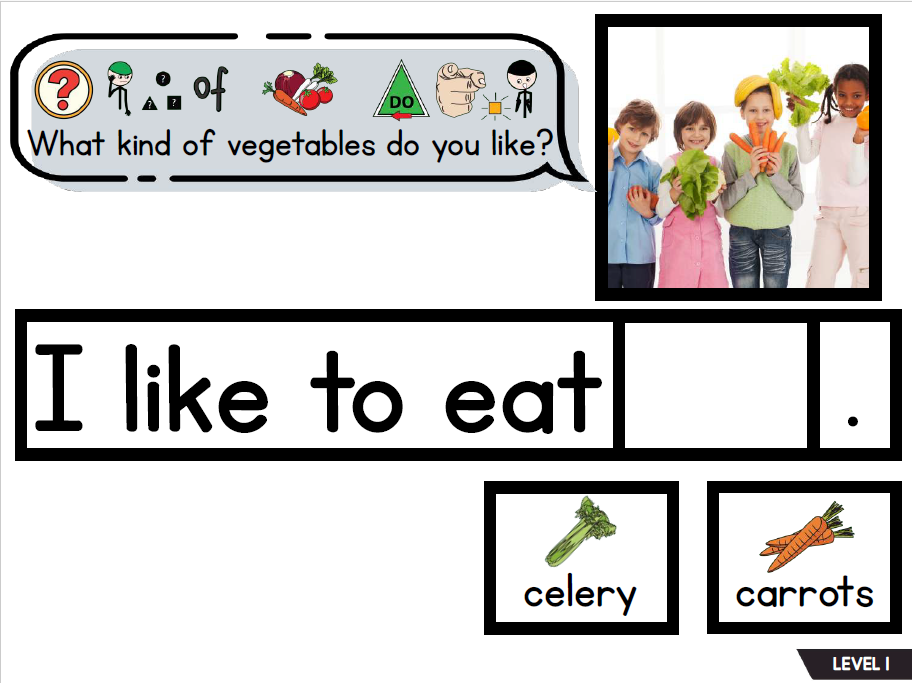
Question of the Day
There are so many different ways to include a question of the day in your morning meeting. Including a question of the day is a nice way for students to participate without any pressure of getting the answer “right” or “wrong”. Students get to participate and are always right with whatever answer they choose! You can begin with a yes or no question for early or emerging learners. You can also ask a question and provide 2-3 choices or leave it open-ended. This is a wonderful time to incorporate whatever form of communication students use, whether that is verbal speech, an AAC device, or pointing to picture cards. If you need ideas for your daily question like the photo above, check out the Simple Daily Writing Journal. There are 4 different levels to choose from based on your students’ abilities.
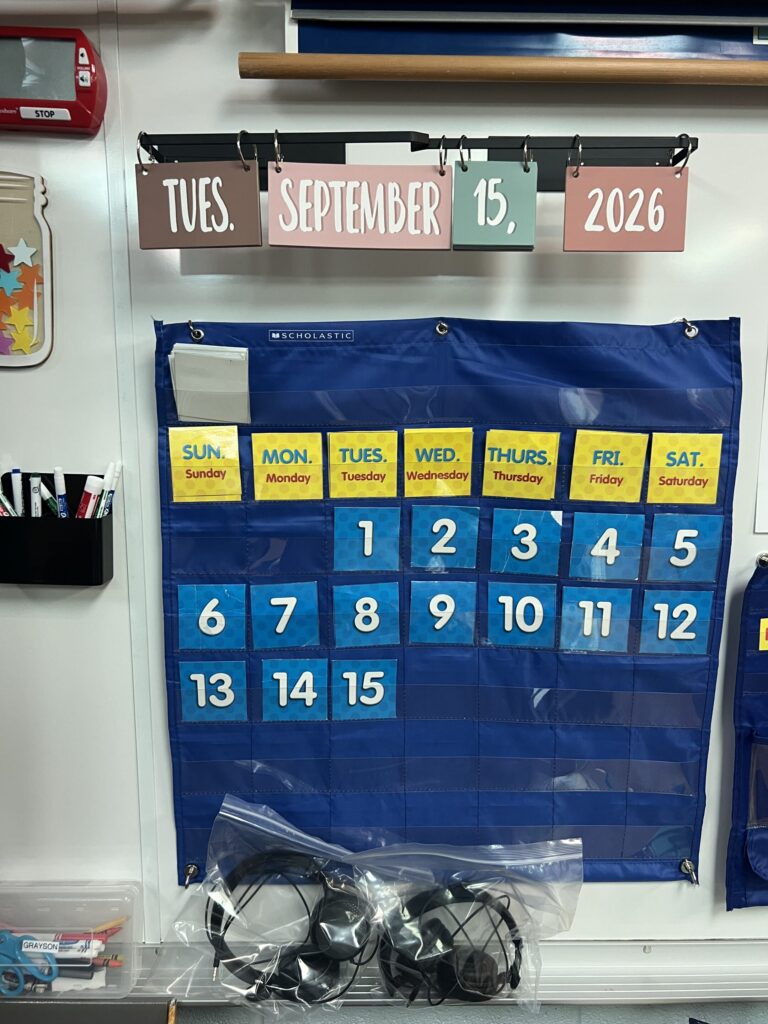
Calendar
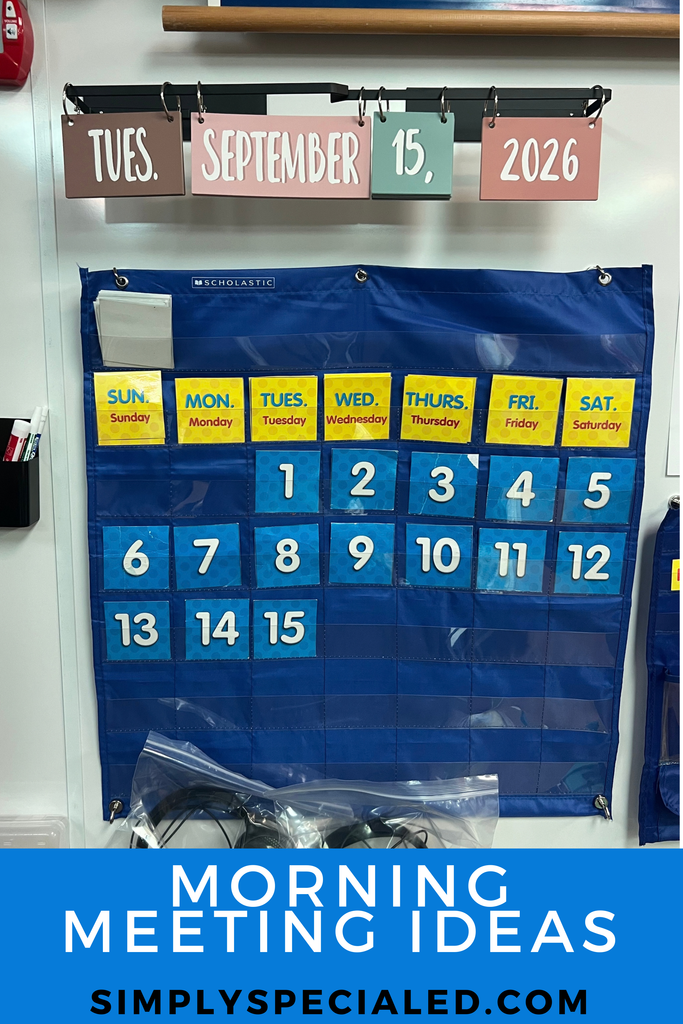
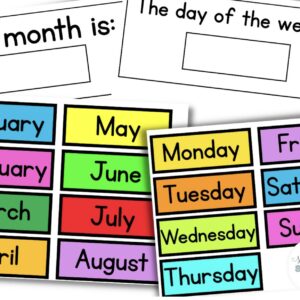
Learning how to use a calendar is a life skill that everyone needs to use. As adults, we rely on a calendar for our work schedules and daily schedules. Many of you who have children use a calendar to keep track of what activities and sports your child has on what day. Students need to learn how to use a calendar as an executive functioning skill. Calendars help us stay organized and keep track of any important upcoming dates. The calendar is a time to learn about days of the week, months of the year, the date (and how to count and identify numbers), and the year. You can also tie in today, yesterday, and tomorrow and/or keep a count down for any special dates coming up, such as a holiday or field trip. Many classrooms also keep count of how many days they have been in school.
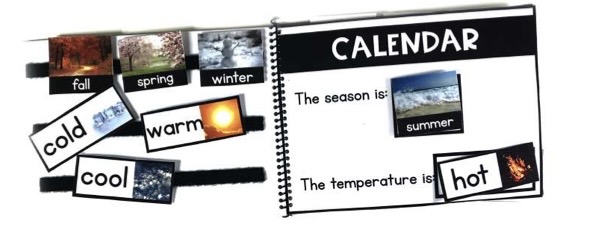
Weather, Season, and How to Dress
I absolutely love teaching students how to check the weather. As an adult, I check the weather every single day to determine how I need to dress. In my morning meeting, when it gets to the page to decide what the weather is, I link weather.com. Many people check the weather on their phone apps, so this is a foundational skill for students to learn where they look to find the temperature and type of weather (rain, sun, snow, etc.) When students are able to pick the temperature, I like to include a page of “what I should wear”. This helps to teach students if they need to wear pants or shorts, rain boots or flip flops. You can create your own adapted morning meeting book here like the example above.
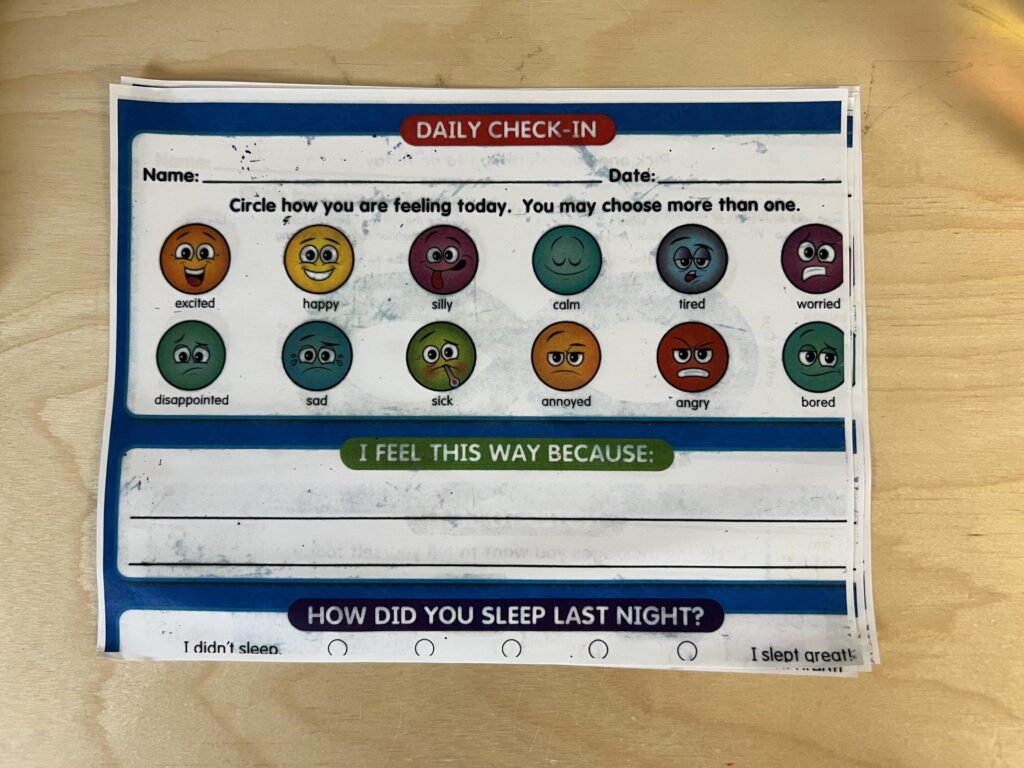
Feelings Check In
Incorporating a feelings check in is a great way to learn about students’ home lives. They may come into school telling you that they feel sick or tired. This is helpful information for how their day may play out. When a student tells me they are tired, I always offer the bean bag or an area of the classroom for when they have earned a break. Of course if a student truly needs to sleep before getting any work done, I don’t deny them that. Think Maslow’s Hierarchy of Needs. I include a way for students who communicate non-verbally to participate as well by having them click the feeling or use their AAC device to participate.
Morning meeting helps to build community in the classroom. Students can check in with one another while learning practical life skills. It is a great way to start your day off on the right note. You can introduce any changes students will have in their schedule that day. Morning meeting is not just for elementary school learners. You can adapt and adjust your content based on grade level. Older students may be watching a news segment to stay up to date about what is happening in the world. You can create a morning meeting routine digitally and also have an adapted book or binder version made for students who need hands on materials to follow along.


Leave a Reply