Math skills are important for all students! In special ed settings especially, math skills are key to helping students build independence that will benefit them all of their lives. Luckily, there are ways that we can promote mathematical skills in our classroom every day. Read on for some ideas of how to incorporate math activities into your centers!
Centers in the Special Education Classroom
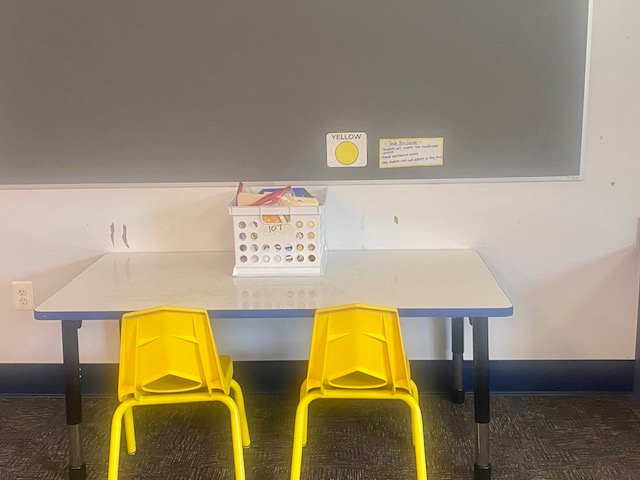
Centers are the foundation of special education classrooms. Implementing them will make such a difference in your classroom! For teachers, utilizing center rotations allows you to provide targeted instruction to each student or small group of students. Additionally, they let you to utilize paraprofessionals in an effective way by having them lead some stations and take data on student performance. For students, centers help to create a predictable routine. When students know what to expect from their routine each day, it helps them to build independence!
Math Activities are for Everyone!
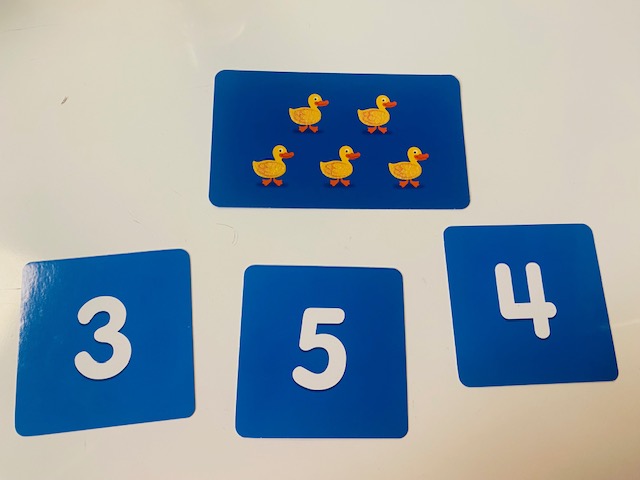
Math activities are so important to your students’ development! The ability to understand and work with numbers and mathematical concepts helps students gain independence both in school and in life. We need math skills to help us navigate the world. Our students deserve to have that foundation!
However, math skills include more than just counting and knowing basic facts. Telling time, working with patterns, measuring, and understanding shapes are just a few examples of mathematical topics. All of these skills have practical applications for your students’ lives. And, they combine to create mathematical fluency!
There are many ways that we can help students develop in each of these areas. That is where math-focused center activities come in!
Teacher-Led Math Centers
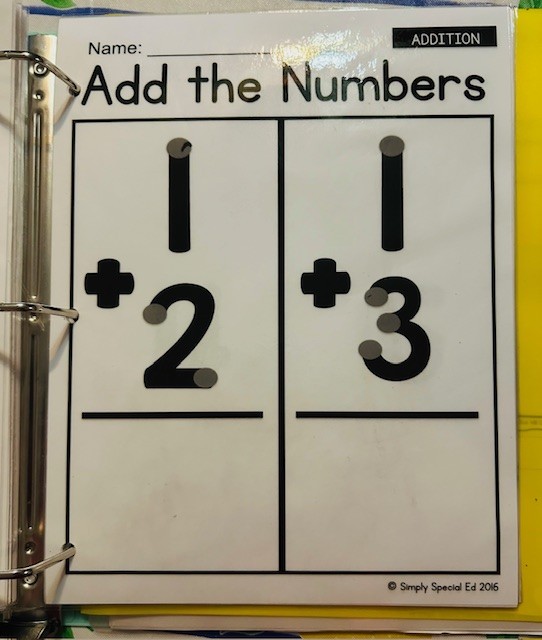
Teacher-led and paraprofessional-led centers are an integral part of center routines. These stations are where you are able to directly teach your students and observe (plus take data on!) their progress.
Teacher-led math centers might include direct instruction followed by independent practice. When I am working with a small group of students, I keep some tasks or handy for students to complete while I am working with someone else. These could be worksheets or task boxes that students can do on their own to reinforce skills.
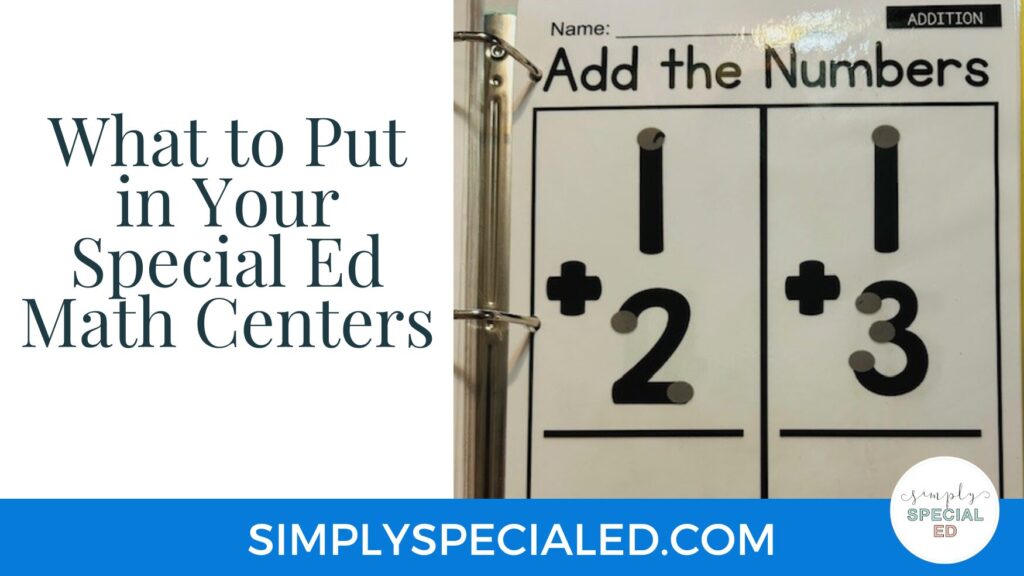
One way that I am able to work with the variety of levels in my classroom is by using is with the Simple Math Curriculum. Each math topic includes work at a variety of levels. For example, in the addition workbook there are activities for identifying numbers, tracing numbers, independently writing numbers, and then adding. I am able to use different activities from the same curriculum to meet the needs of each student!
Independent Math Centers
In addition to teacher- and para-led centers, your students will also participate in independent activities in the classroom. ANY activity can become independent work if your students can do it themselves (or get started on it with very little assistance). Here are some examples of independent activities that are great to incorporate into your math center rotations:
File Folders and Task Boxes
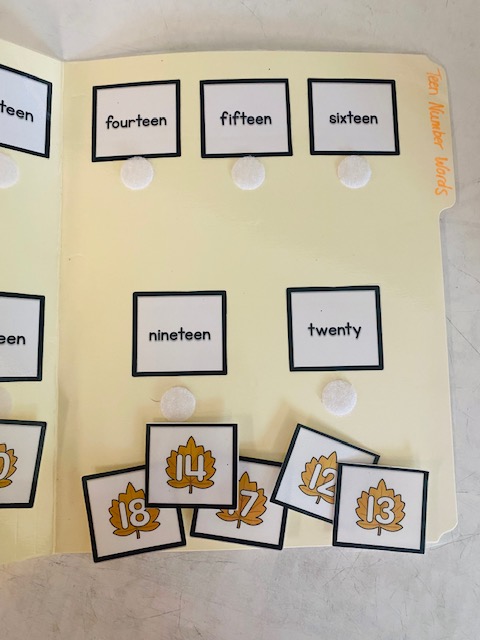
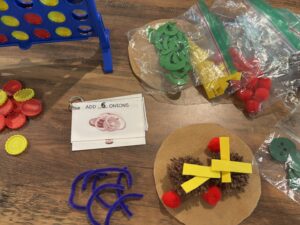
There are lots of math-themed file folers that you can add to your independent work centers! number-word matching, counting, shapes, fractions, and math facts are just a few of the options you can cover with these activities. These independent work activities help increase student independence while develping math skills at the same time. Win win! This free math task box set is a great place to start building your activity library.
1:1 Correspondence Math Centers
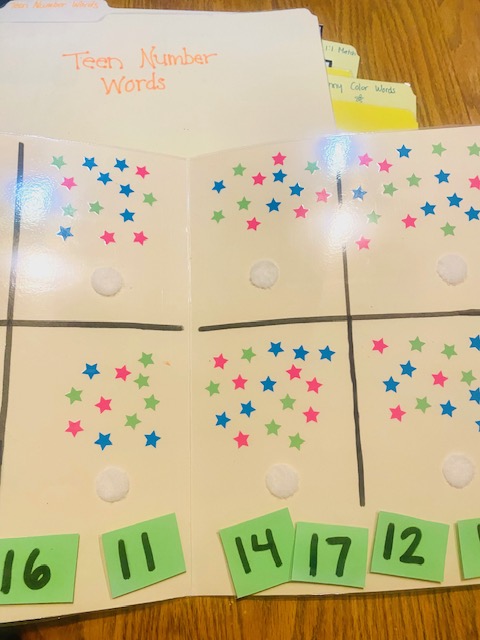
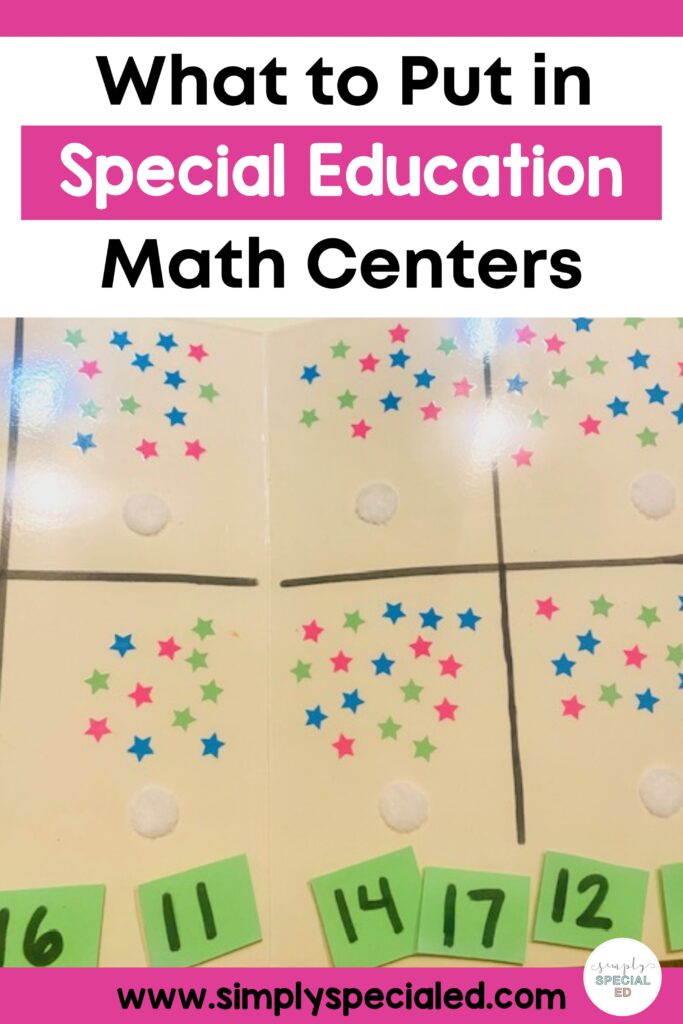
1:1 correspondence and counting activities are so important for students to work on. The ability to accurately count groups of objects is a foundational math skill. And counting is not just for little kids! Older studnets can work on counting higher quantities and skip counting as well. These are important life skills! They set the stage for job functions and higher order math concepts, like addition and multiplication facts.
Puzzles and Pattern Activities
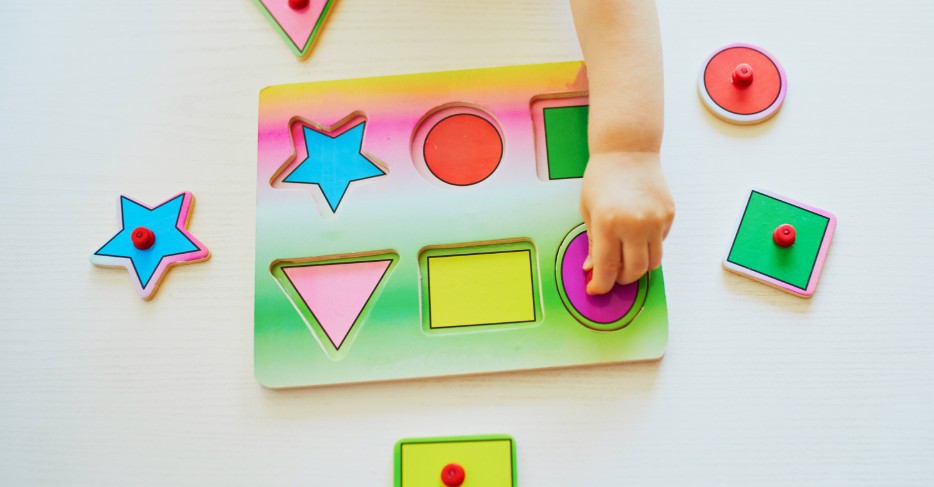
Puzzles and patterns are great options for math centers! Completing puzzles helps students make connections and improve problem solving. I keep a variety of seasonal puzzles available for my students. Another great thing about puzzles is that there are varieties for every skill level! From simple board puzzles to complex jigsaws, there are lots of puzzles options to fit your learners. As a bonus, learning to complete puzzles is a great leisure skill for students to have.
Virtual Activities
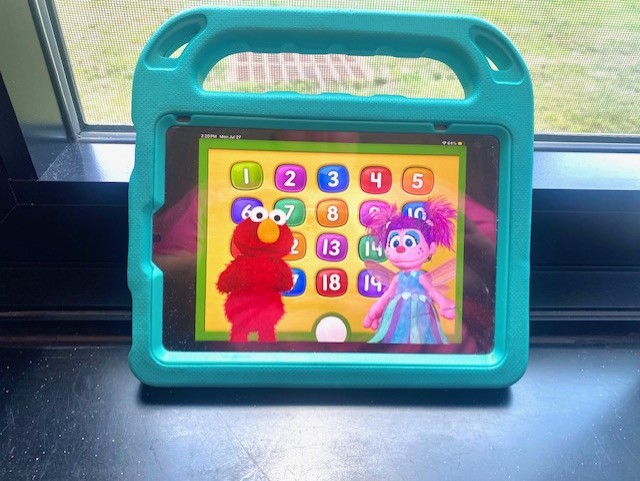
There are many options for virtual work that will help students strengthen their math skills. Your district may mandated educational math programs for students to use such as iReady or ST Math. If so, kids can easily work on their weekly minutes during center rotations! There are also plenty of other websites and apps that allow students to work on numeracy in a fun way. ABCya.com has lots of free game options. Math Playground is another favorite, with lots of games that focus on fact fluency. TIP: I have students log into their computers and load up the site they will go on before centers start. That way, they are able to get right to work when it is time for them to start their virtual center!
Incorporating math center activities benefits your students in so many ways. Luckily, there are lots of easy ways to add these centers into your day. How do you incorporate math skills practice into your day? Share your ideas in a comment!