Math center or whole group instruction, I remember back when our teachers would tell us to make sure we paid attention during math instruction and worked hard to memorize math problems because we wouldn’t always have a calculator in our pocket. Well, look at us now with our smartphones that do calculations and so much more… always in our pockets!
Maybe times have changed, but the need for good, meaningful math instruction still exists. In Special Education self-contained settings, what can we put into our math center to foster those important skills?
Functional Math Center
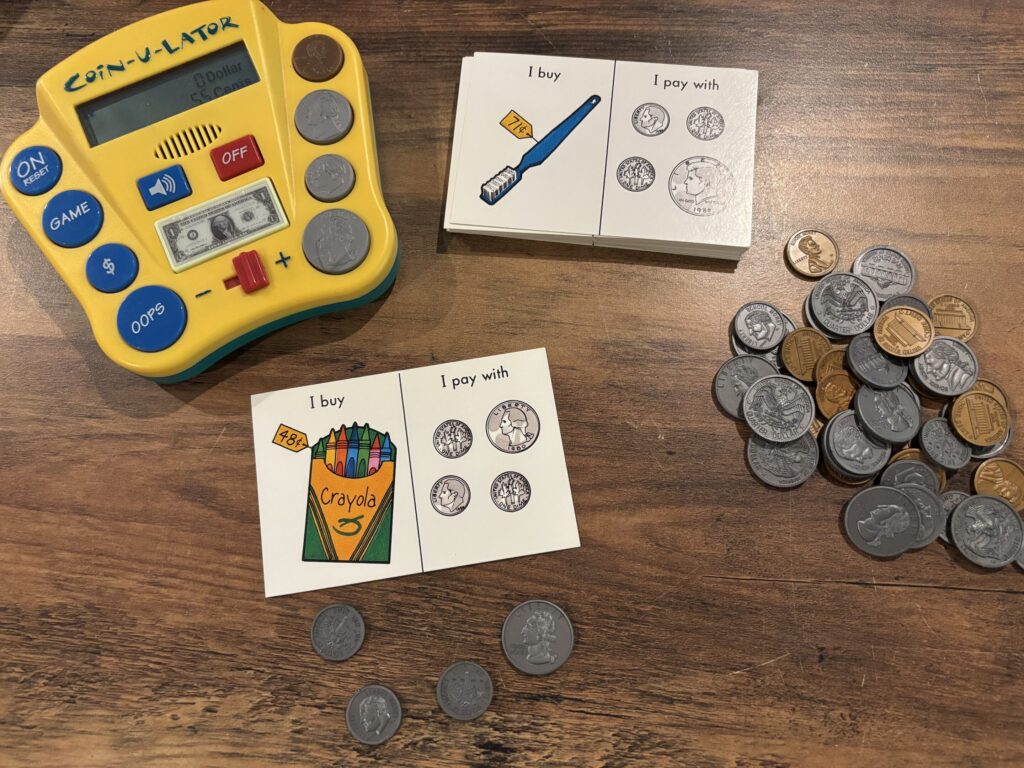
First and foremost, you can place functional math tasks in math centers for your students to practice life skills in math! Because I teach high school, I think a lot about practicing real topics that will affect them in their daily lives, like money topics, time topics, measuring, and even using numbers in life skills.
- Budgeting your money
- Paying utility bills at home
- Paying your bill at a store
- Using debit and credit cards
- Using digital money sending apps
- Saving money with each paycheck
- Time/scheduling
- Measurement in cooking
- Measurement in chores (laundry detergent, dish soap, etc.)
- Numbers in real life – dealing with appliances, setting timers for yourself, identifying numbers in the community (like waiting in line, finding a lane, etc.)
File Folders in your Math Center
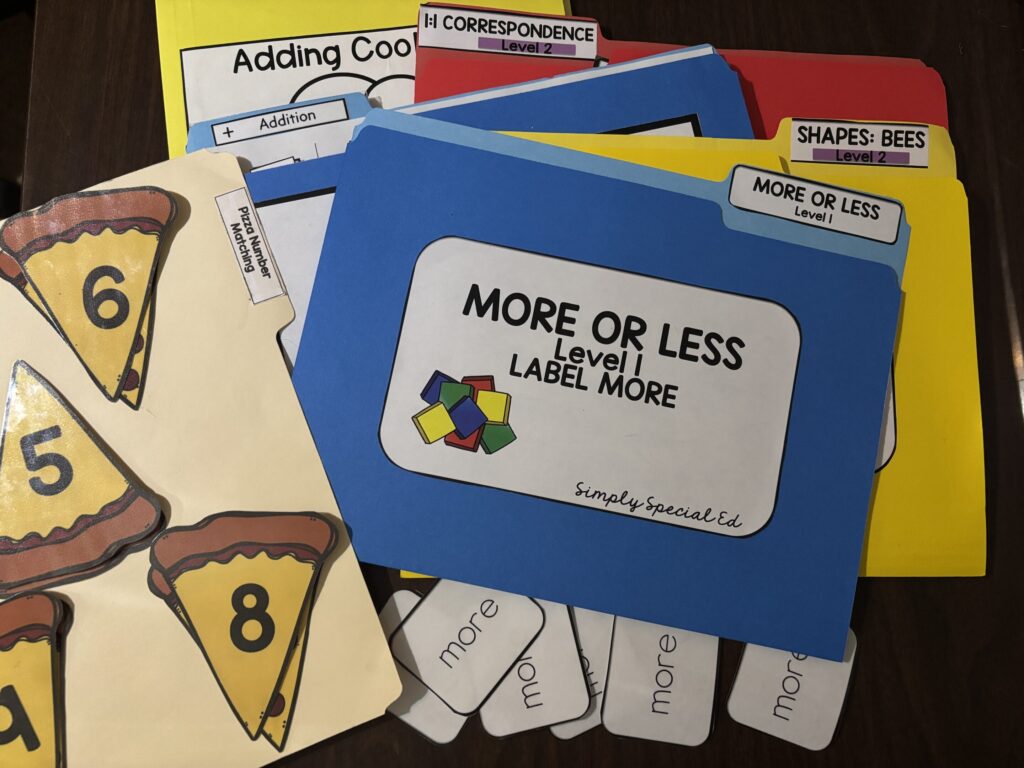
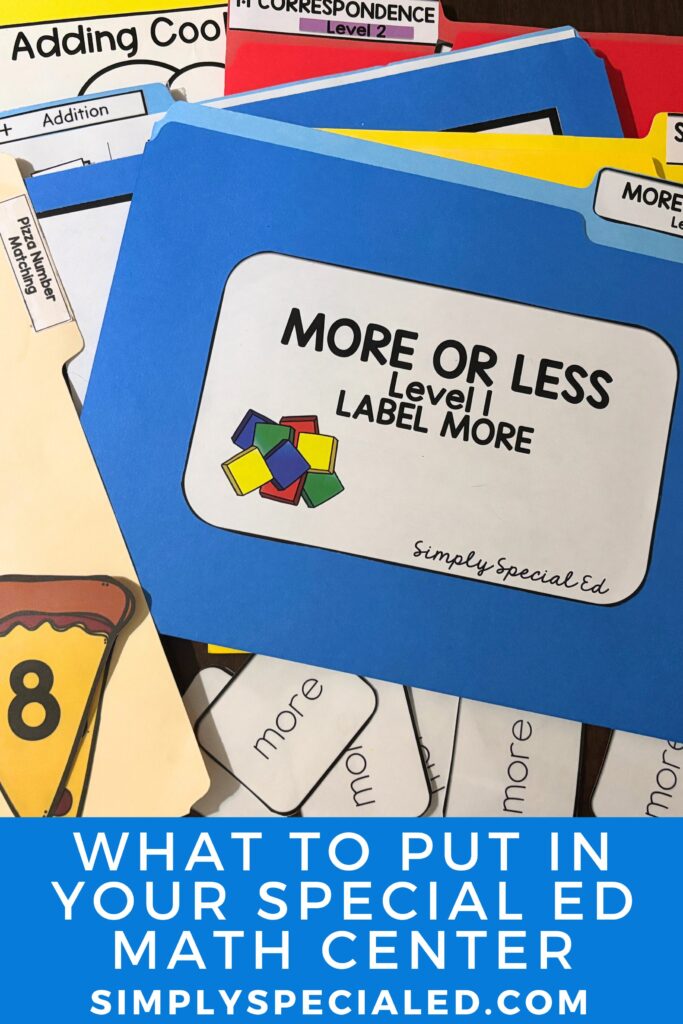
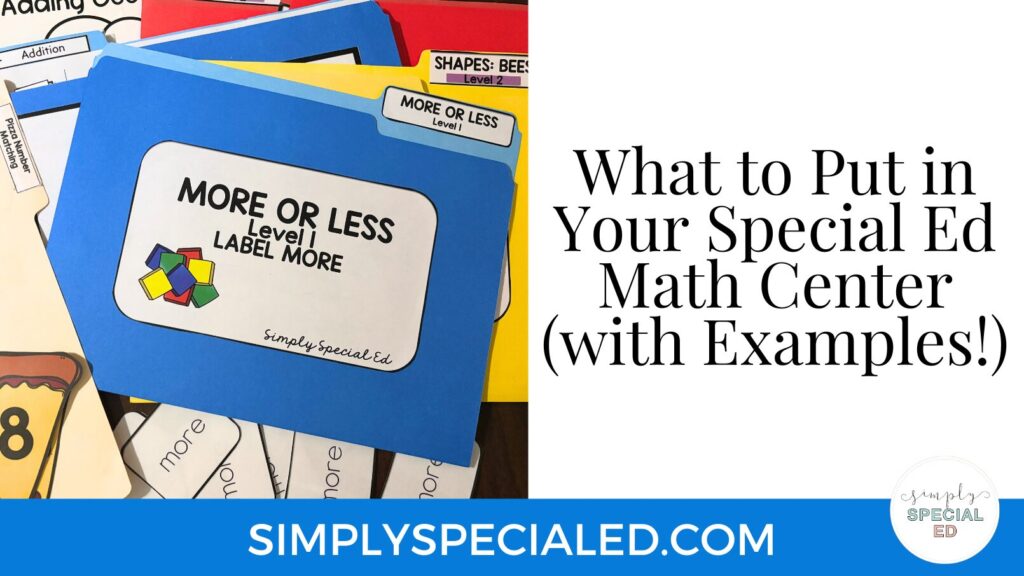
Utilize file folders containing math topics to use in centers. File folders are great because they can be created for any topic. You can add mathematics file folders to a math center, and they’re ready to go.
You can also create a file folder or modify it to match exactly what your students are working on! Try out these Simple Math File Folders in a variety of topics.
I like that this can also be an independent task center when using file folders. Use a file folder system (much like a three-drawer system) so students can independently pull file folders to complete.
- File Folders pre-chosen for the center and placed into bins for students to work on independently or with para guidance
- Students independently grab math file folders based on visuals on a schedule to complete at the math center
Make it a Computer Station
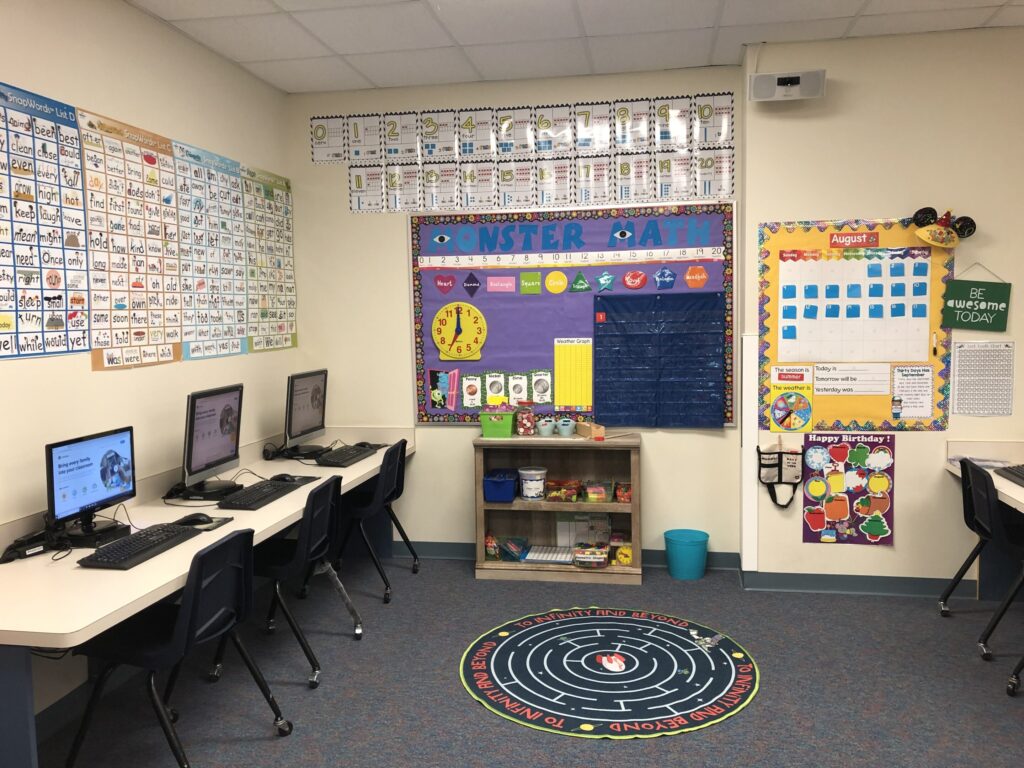
If you utilize technology in your classroom, giving students computers or tablets during math centers is an option for your math centers. You students can complete math on online games and learning platforms.
You may use a district provided curriculum during this time, or another online platform that provides logins and accounts for teachers. When we used math games as one of our rotations, I gave my students a choice board of the options they could pick and complete during that center.
- Assign your students math topics online using your district provided curriculum, like Unique Learning System/Everway, HMH, or IXL.
- Have your students complete math games using Boom Cards!
- Allow your students to read or listen to pre-chosen math books on Epic! Books for Kids.
- Allow your students to play math games on ABCya.com!
Check out these apps for special education!
Dry Erase Tasks
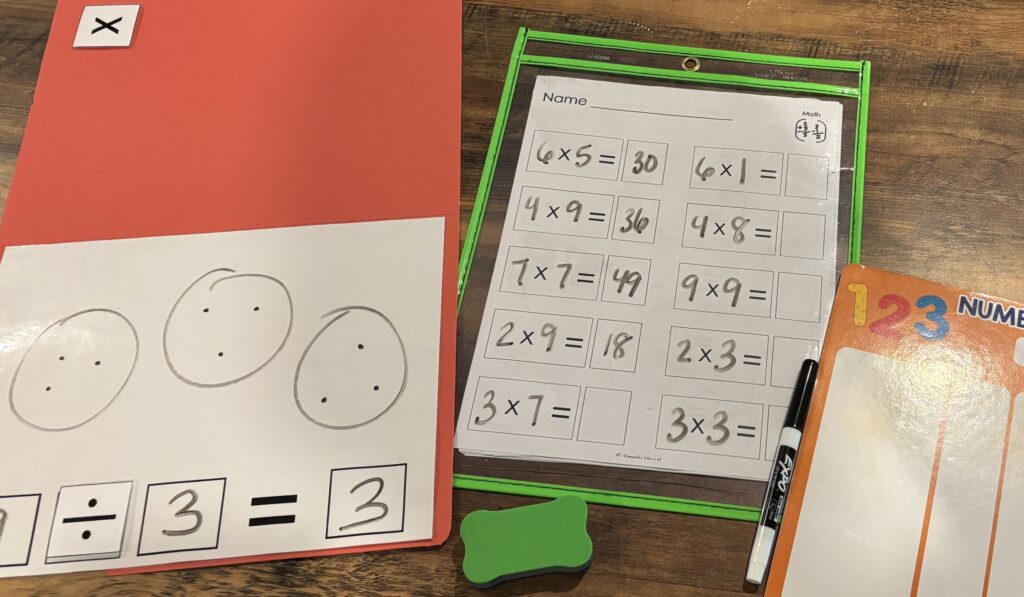
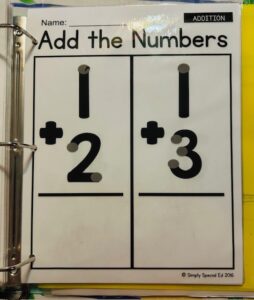
Additionally, I love using dry-erase options for math centers. Using dry-erase boards, pages in dry-erase sleeves, laminated wipe-clean pages, or even using dry-erase markers directly on the table can be great for repeated practice of a skill. Because they are wipe-clean, they can be used many times (and prepped one time)!
- Utilize these Dry Erase Math Topics for Special Education. Laminate them and use them all year long!
- Students complete teacher- or para-led math problems using tangible items and dry-erase boards.
- Students complete a variety of math problems in a pocket sleeve. Have them turn it in or leave it without erasing it to check their work.
Errorless Math Center
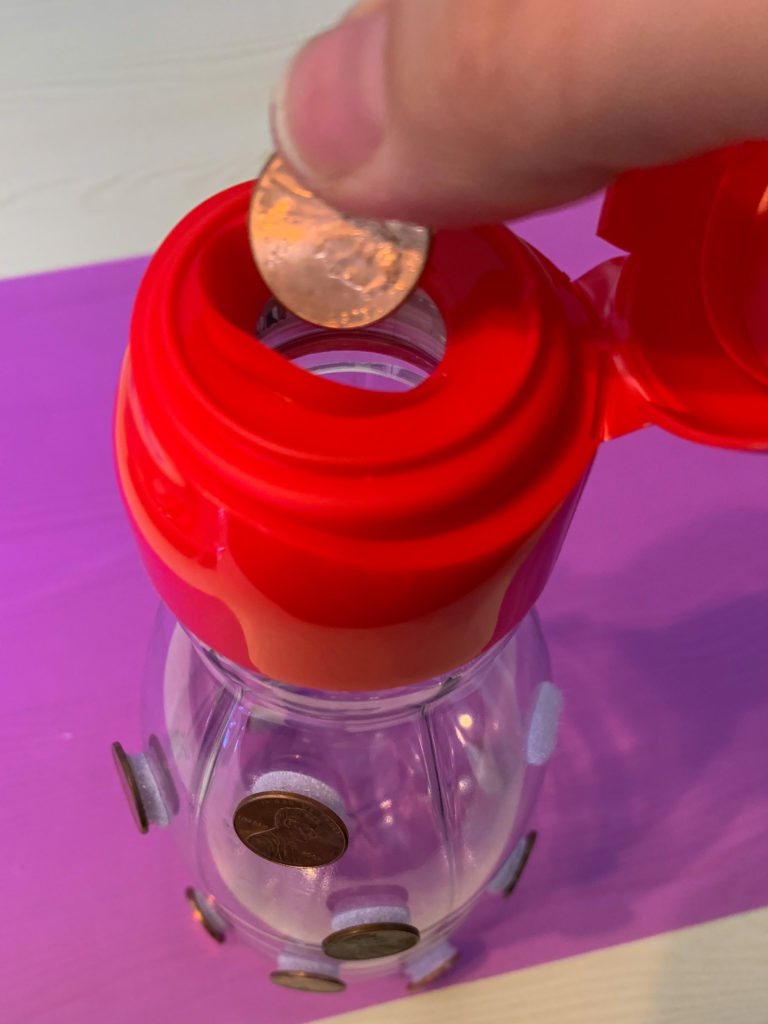
To increase independence, I have utilized errorless learning tasks in math centers. Errorless learning is an instructional strategy that allows children to practice skills with confidence. It ensures that students are always responding correctly, building their confidence and increasing their knowledge at the same time. Errorless choices on worksheets or hands-on tasks reduces the need to prompt a student verbally, and therefore reduces the chance of a student relying on your prompts.
- Try out a file folder with this errorless learning option – digital errorless colors with real pictures!
- Create a library of math topic file folders for students to choose during the math center.
Board Games and Hands-On Fun
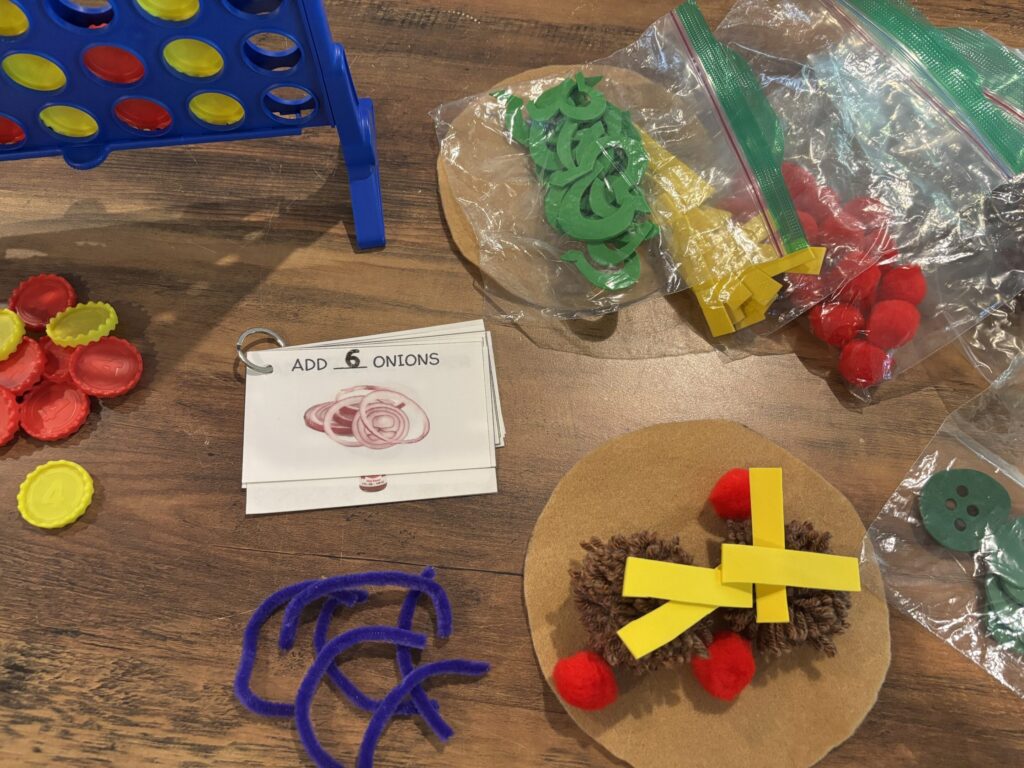
We know that not all students learn the same way. Traditional paper and pencil tasks just are not going to work for everyone, and that’s okay! It is always fun to disguise math topics in games and hands-on manipulatives that make math tangible and real.
Depending on your grade level and what is most appropriate for your students, it can be as simple as playing Connect 4 and counting numbers, comparing colors, and creating fractions, or as complex as creating budgets and spending money while playing a money and shopping-related board game.
- Math topic flash card games
- Zingo! Number Bingo
- Math on Pepperoni (on Amazon here)
- Use dominoes for various games
- Buy It Right (on Amazon here)
- The Allowance Game from Lakeshore
- Learning Locks toys
- Combine math and other skills with – Sensory Number Trays (on Amazon here)
BONUS… From math topics to social skills, board games are great for other subjects, too. Check out these 10 Must Have Board Games for Speech Therapy.
Create a Weekly Schedule of Topics
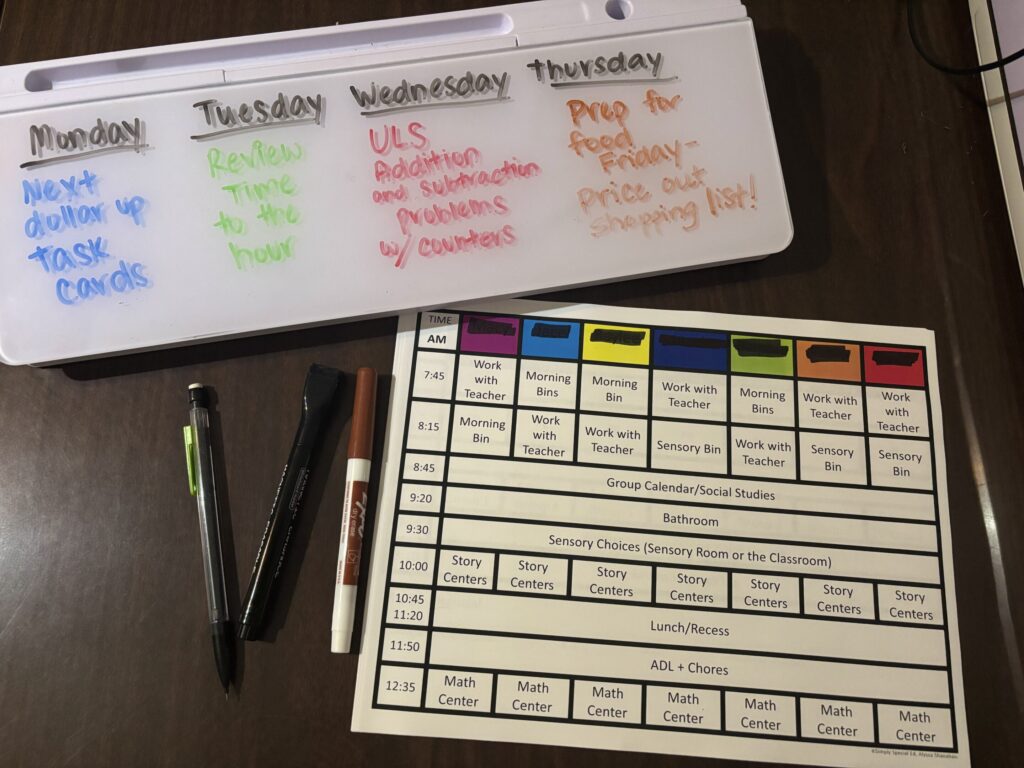
In your math center, switching up topics daily or even weekly can provide a variety in the topics that your students will see in the rotations. I like to utilize a weekly schedule in math centers. I can prepare the subjects and materials for weeks in advance and have tasks, games, task boxes, file folders, you name it… ready to be pulled and utilized each week.
Monday Money
Tuesday Time
Wednesday Word Problems (Real-world questions that have to do with numbers)
Thursday Measurement: We cook and measure ingredients, we wash clothing or dishes, and measure detergent… There are many possibilities!
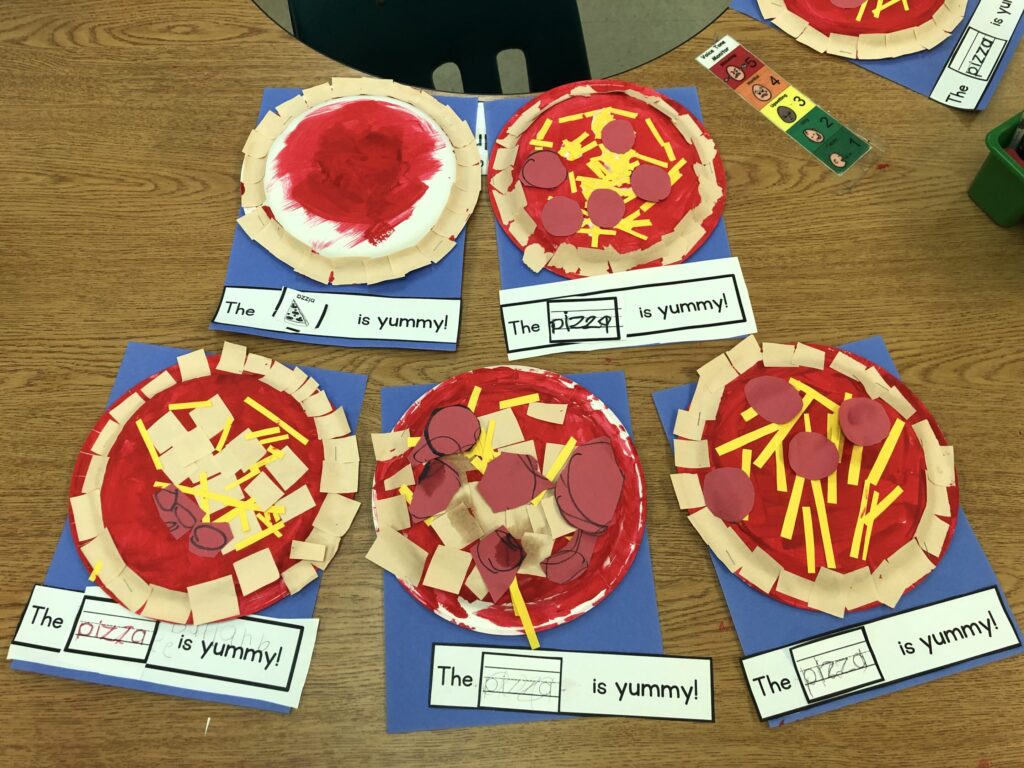
Fun Friday (Here you can do computer games, board games, or even incorporate math into crafts like the pizzas below!)
No matter how you organize your math centers, the key is to create opportunities for students to practice meaningful skills in ways that work for them.
Start with one or two of these ideas, build from there, and watch your students gain confidence as they discover that math isn’t just something they learn in school—it’s something they use every single day.