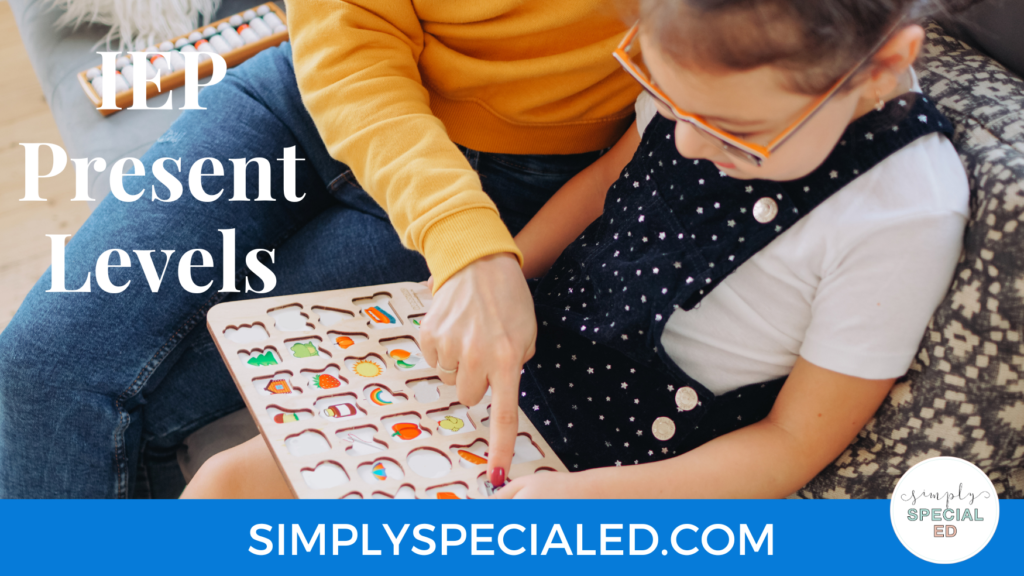
The present levels section of an IEP (or PLEP) is an important section that helps paint a picture of the student. It tells each person who is reading it what the child is currently able to do in the categories of academics, social-emotional skills, physical development, etc.
As we enter this new school year, you are likely receiving, or have already received, new IEPs. You should thoroughly read each IEP, especially the present levels. This can give you a good idea for where to start with the student. It is also important to understand how to write strong present levels. Read on to learn more!
Academics
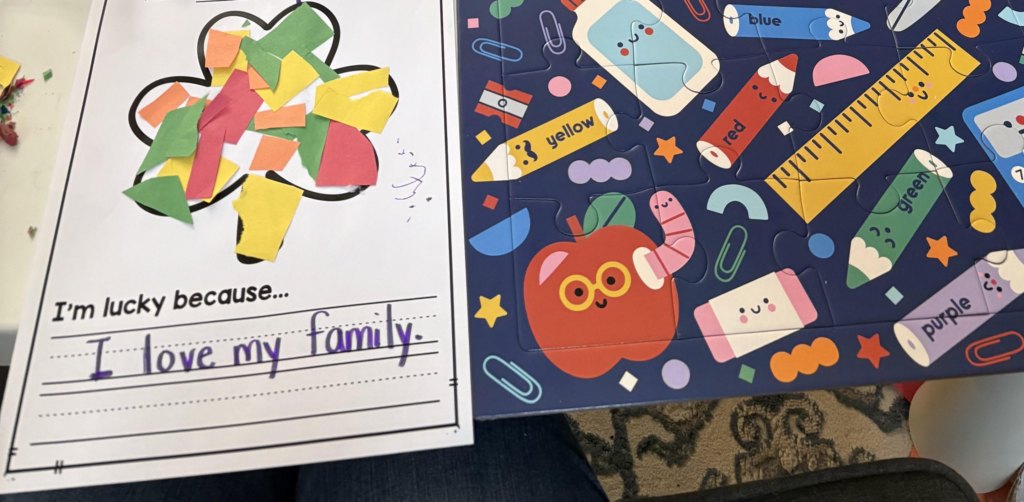
An IEP will include a section for the student’s present levels for academics. I have written IEPs for preschool students, as well as elementary students, so they have differed slightly. For the younger students, it is more of a broad description of the child’s cognitive and pre-academic skills. You may see it listed under “Cognitive” or other wording. With my older students, I have broken the academic present level section into reading, writing, and math skills.
The present levels section should be focused on what the student can do vs. what the student cannot do. It is okay to mention something that the student may need additional support with, and then create a goal based on that need. The present levels should match the child’s goals. I may write something such as “(Student name) is currently able to identify 3 out of 5 letters in their name. We are working on learning to identify the other two letters”. You can then have an academic goal for the student to identify all 5 letters in their name.
I always make sure to include at least a paragraph about what the student is working on in class. For older students I have worked with, I made sure to include the last few units we worked on in ELA and Math. For instance, I would say “(Student name) just completed an ELA unit on nonfiction texts. The students learned about nonfiction text features, how to identify a nonfiction book, and wrote their own nonfiction books. (Student name) chose to write his on lions. He did very well with this and was able to complete the project with substantial support”.
Social Development
IEPs will also include a spot for the student’s social development. This portion gives you a chance to describe in detail how the student is doing with things such as following directions, interacting with peers and teachers, maintaining safety, etc.
Again, you will want to focus mostly on what the student is able to do. Then, create a goal for something the student struggles with. You may say something like, “(Student name) is a great friend to her peers. She is able to share toys and materials during free play and structured activities. She is working on using coping skills when she becomes upset, particularly with transitions. We are working on taking deep breaths, utilizing the calm corner, and counting to ten when she becomes frustrated”. You can then have one her goals be to utilize a coping skill when she experiences frustration.
Think about how the child interacts with other peers and school staff, how well they follow directions, ask for help when needed, etc. These are all part of a child’s social development.
The student’s goals should always coincide with the present levels.
Physical Development
The present levels will also include a physical development section. Typically, as the teacher, you won’t need to get too specific in this section. Usually, if the student receives OT, PT or any other services focused on physical development, those therapists will write more in this section. Therapists will also add their input in the other sections as well. So, make sure you are reading what they say as well. It is helpful to paint a picture of the whole child.
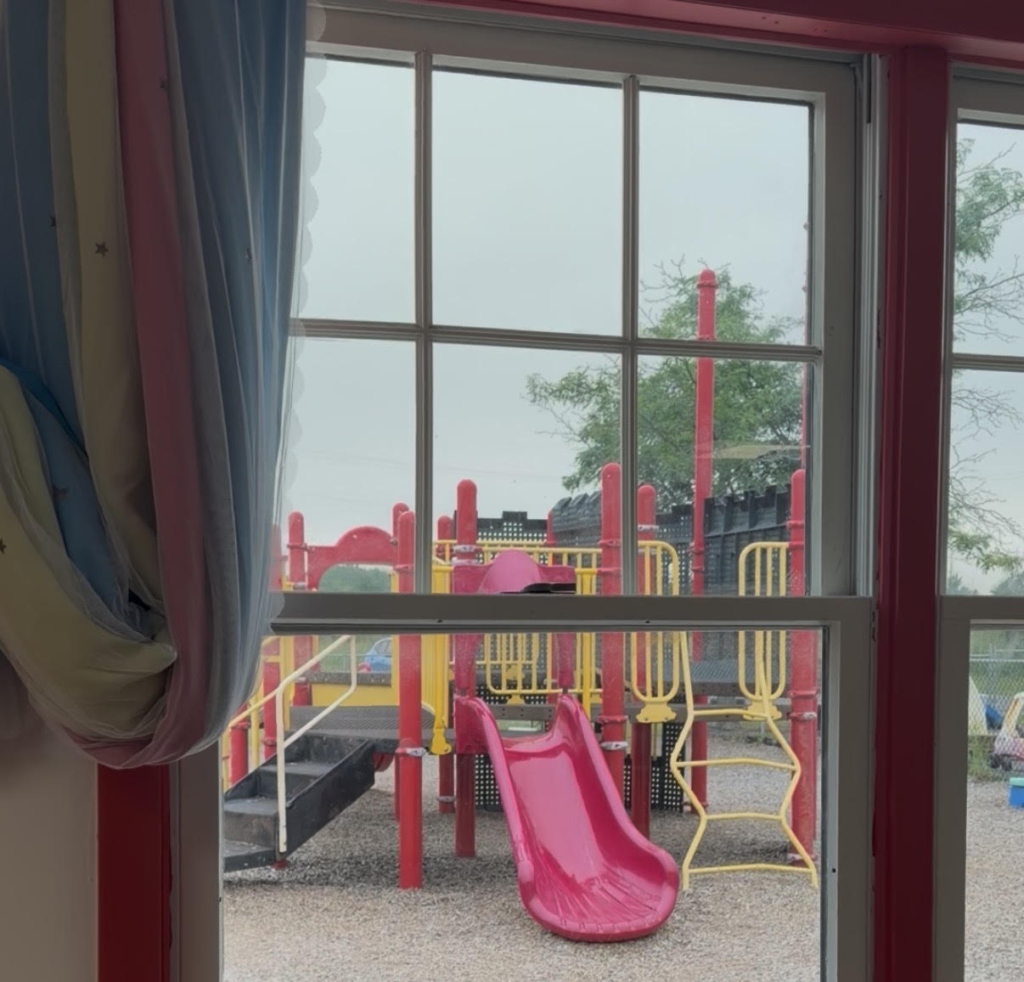
I always make sure I have at least a couple points listed in this section, although this section is usually the shortest one for me personally. I will usually list how the student does with certain activities in the classroom that involve physical movement. This includes playing on the playground, if they do yoga activities, etc. I had a preschool student that attended a yoga class with his classmates once a month, where I was able to push in and support him, so I made sure to list something about that.
If there are no major physical concerns, you can list that. However, you may have concerns, such as the student not being able to see the board, losing their balance, etc., you can list that in this section.
Student strengths
Under each present levels section, you will be asked to list strengths, preferences, and interests for the student to go along with the category. An example that I recently used for one of my current students for this section was: (Student name) enjoys read alouds and talking about stories/books. He does well with counting objects and rote counting to 10. (Student name) enjoys sensory based activities related to learning, such as making letters with playdoh. He loves to draw pictures.
In the social development and physical development sections, you will also be asked to list student strengths, preferences, and interests. You can say things like, “(Student name) is a friendly student who is a good friend to her peers. She enjoys being a teacher helper and passing out materials”. For the physical development section, you may say, “(Student name) does well with hands on activities that involve movement. She is athletic and participates in gym class with no problems”.
This is an important section, especially because an IEP can often feel negative and focused on what the child is struggling with and cannot do yet. The strengths section provides anyone reading it a clear picture of what the child can do, as well as some ideas to implement based on their interests and preferences. The more a learning activity is based on the child’s interests, the more engaged he/she will be.
If you need some ideas for what to list as student strengths, check out this SSE blog post!

Image from Presentation Animation Clips & 3D Graphics | PresenterMedia
Student needs
There will also be a section under each area of development that will ask you to list student needs. It will be listed as “Academic/social/physical needs of the student, including consideration of student needs that are of concern to the parent” or something similar depending on what IEP system you use.
In this section, the areas of need that you list should also match what you listed in the present levels. If you wrote that the child needs to continue working on following directions, then “following directions” should be listed in this section. In the academic section, if you wrote that the child has been doing great with 2-digit addition and is not as comfortable with 2-digit subtraction, then “completing 2-digit subtraction problems” should be listed in the needs section.
These can and should also match to the student goals and much as possible.
The more you write IEPs, the more comfortable you will become with all sections, including the present levels sections.

Leave a Reply