As special education teachers, we are always looking for ways to help our students build independence! The ability to do independent work does not always come naturally to our students. Rather, it is a skill that we must teach them! There are many ways to help students build this important life skill in the classroom. Read on for ways to help your students learn to work independently — starting on day one of school!
What Does Independent Work Look Like?
Independent work can look different from classroom to classroom and even from student to student. Some examples of independent work you can incorporate include:
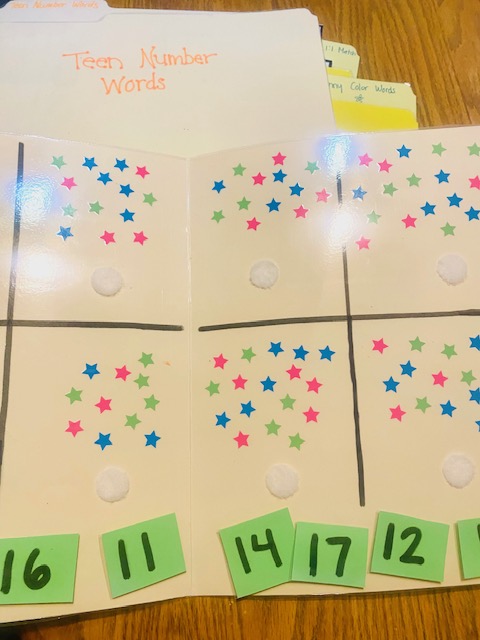
Task Boxes and File Folders
Task boxes and file folders are staples in special education classrooms! These activities are great for reinforcing learned skills, fine motor development, and introducing real-life work tasks.
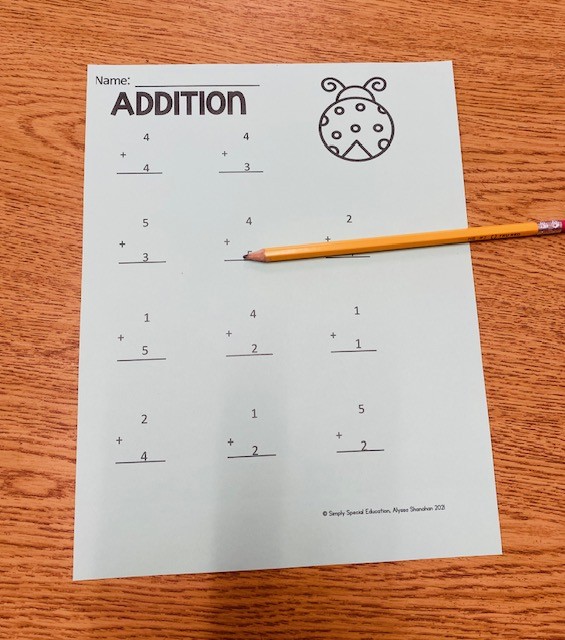
Worksheets
Basic skills worksheets are a great way to maintain learned skills throughout the year. Bonus, they require basically no prep — just print and go! To keep things simple for students (and cut down on paper clutter), you can place worksheets in a binder or folder that students keep at their desk, and just check work/refill papers at an interval.
Computer Programs
Many school districts give access to computer learning programs for students. Some schools may even mandate weekly minutes for students to work on these activities. This is a great option for independent work once students know how to log in and access their sites on their own. Tip: If I am having students use computers during centers, I make sure they log in BEFORE rotations start so that they are ready to go when it is their turn to work. That helps to maximize time on task!
Life Skills Centers
Life skills centers are one of my favorite options for independent work! Using visual cues, students can complete these tasks on their own to practice important skills. Parents love that their kids are able to carry over what they learned at home!
To help students work independently, you need to assign work that they can do without assistance. Highly predictable, achievable work sets students up for success from day one!
Creating Routines for Independence
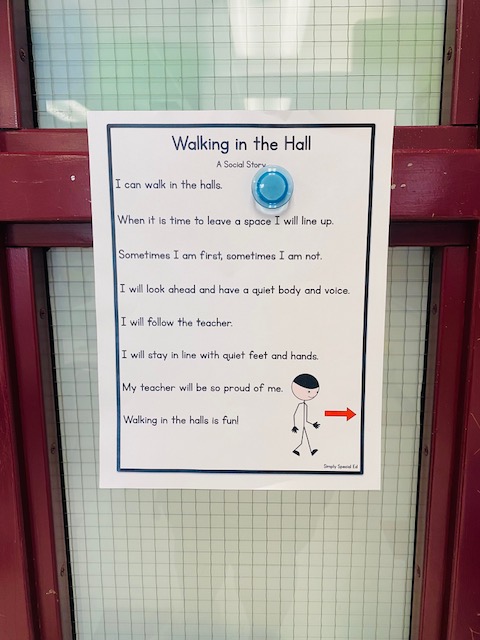
Having routines in the classroom makes your day run more smoothly! Routines can be made for EVERYTHING that your students do– from entering the room, to lining up, to sharpening pencils. When students have routines, it allows them to navigate the classroom with independence. But, routines are not innate. Student routines must be intentionally taught. But luckily, this can (and should!) be done from the very first day of school– as soon as students arrive!
It’s important to explicitly teach students to do the school activities we need them to complete. Take for example, unpacking in the classroom in the morning after arriving to school.
Some examples of other routines to consider teaching are ordering lunch, coming to the carpet for group activities, how to do a fire drill, asking for help, and packing up at the end of the day. Social stories are a great way to teach routines! At the beginning of the year, I love to use the social stories from the First Ten Days of School resource to help students understand and practice these expectations.
Using Visuals for Independent Work
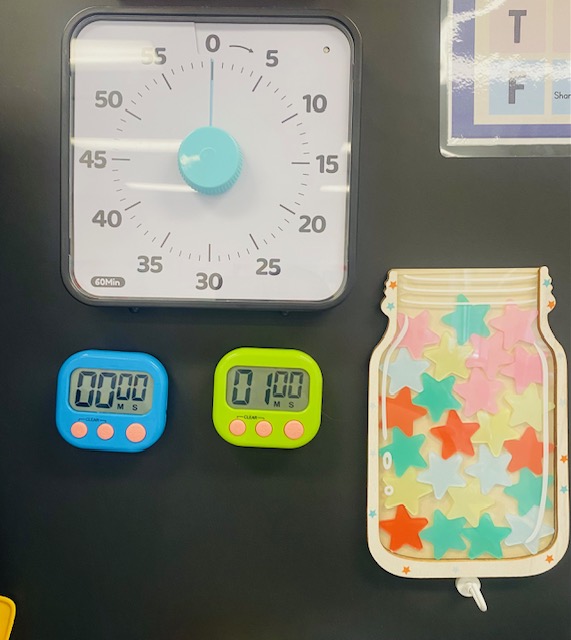
Visual aids are a must have for special education classrooms. And luckily, they help students to learn to navigate their day with independence!
Examples of visual aids for independence include color coding and classroom area labels. Tools like these help students to navigate the classroom by themselves.
Timers are another great resource for independence, because students can quickly refer to them to keep themselves on track.
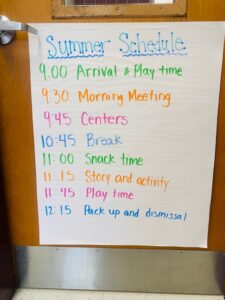
Visual schedules are an invaluable tool for special education students. There are so many types of visual schedules to choose from! Wall schedules work well in many classrooms, but I also like using personal schedules that students can carry around the room with them. Also, I keep a general classroom schedule posted to keep everyone on track. I use visual pieces from the Simple Visual Schedules resource. It has a ton of ready-to-go icons as well as editable pictures.
Centers Build Independence
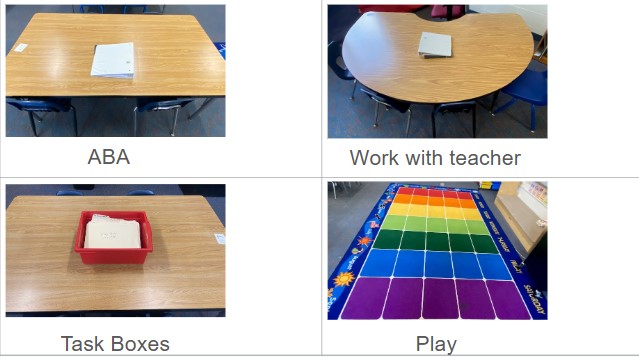
What is the easiest way to fit all of this work into your day? Centers! Centers allow you to incorporate independent work into your day while also ensuring you are able to differentiate for each student. As your kiddos learn to navigate their centers routine, they will become more independent in completing their tasks.
Going through the routine of rotating centers is another way that students will learn to work independently. When moving through centers, students will use visual cues such as a timer, color coding, labels, and a schedule to help them see exactly where they need to go and what to do — without adult intervention.
Another great thing about centers is that they allow you to quickly differentiate for students! When planning for centers, you can make sure to teach the specific skills that individual students need to work on. When students get what they need academically, it helps them develop the skills that will lead to greater independence.
The best part is that you can start centers on the very first day of school! I do that every year so that studens become accustomed to the expectations of my classroom. After a little practice, rotating through centers will become second nature. You can learn more about using centers in the Simple Centers System course!

The benefits your students will get from building independence are immeasurable! How do you help your students become more independent? Share your favorite tips with us below!


Hi there, thanks so much for these posts about centers. I am new to an ASD classroom and my students are not yet able to use hands on activities safely and constructively, let alone rotate!
Should we just continue to model this in small group with para and teacher and then add the academic piece?
Yes! It takes time to establish the routine of rotating through centers. When you are just starting out, make the act of rotating the focus for students and keep the work in the centers light and easily achieved! You can definitely learn more about how to set it all up in the Simple Centers System Course!