Supporting students in High School Special Education? Here are my Top 10 Functional Resources every High School Special Education Classroom can benefit from—especially those focused on life skills, independence, and transition planning!
1. Functional Skills Binders
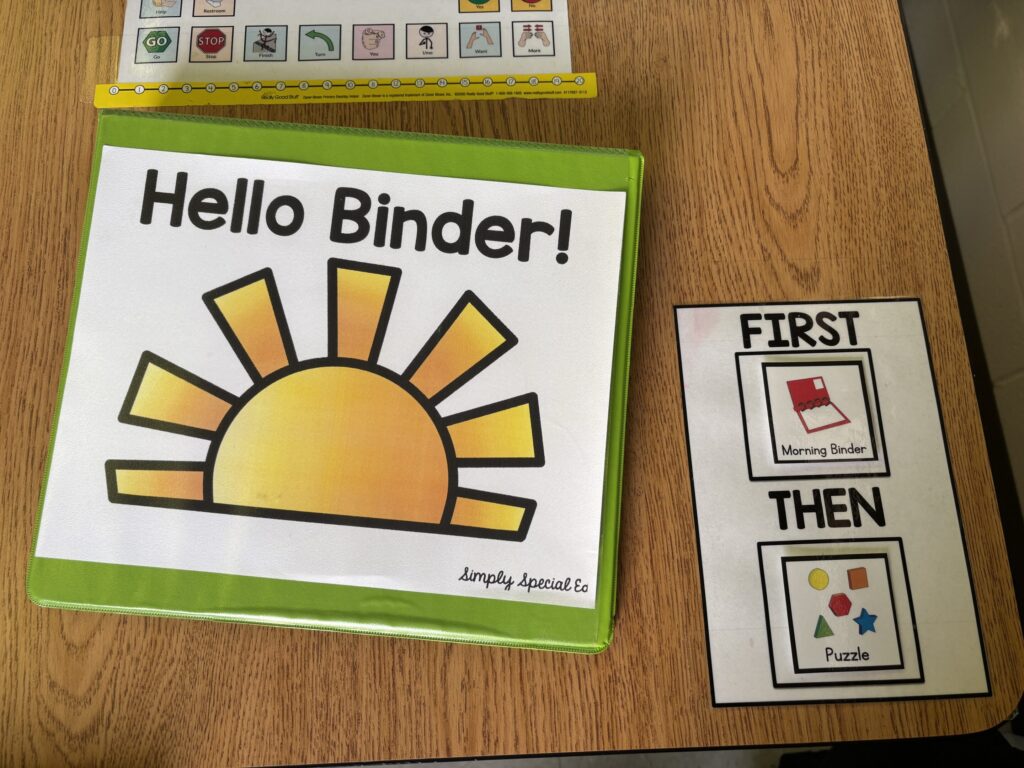
Life Skills Binders are printable binders that cover real-world topics like math, time, money, personal information, and more. Also, they can be very individualized! Plus, it’s a hands-on tool for a multi-sensory approach.
To practice personal information and real-world skills, the Hello Binder is a great option!
Use them for independent work, warm-ups, or IEP goal work- whatever works for your students!
2. Functional Life Skills Task Boxes
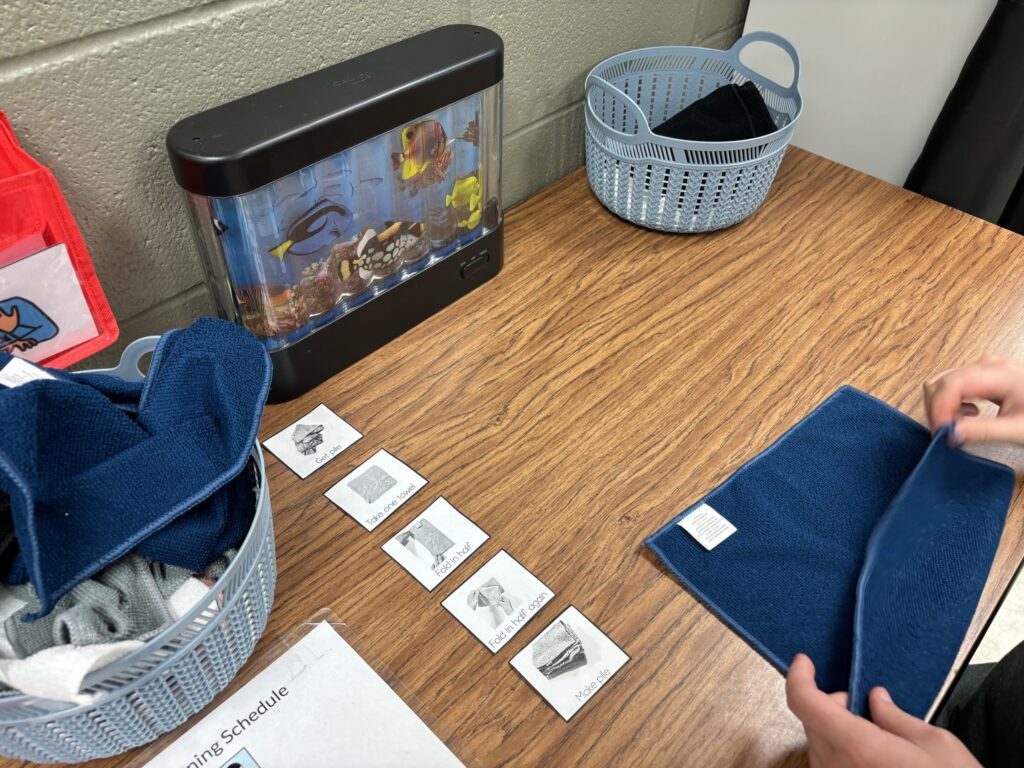
Task boxes are hands-on activities that reinforce real-life tasks (sorting, sequencing, money skills). They’re great for stations, independent practice, and reinforcing IEP goals! Life Skills Centers can be incorporated at any time during the day to practice skills like classroom jobs, daily routines, and vocational skills.
3. Technology Tools like Google Workspace

Apps and technology boost student engagement and can help with independence! Google Workspace is a great option for many types of work. Because of the many available options and editability, you can have students work on a variety of life skills and communication skills. Also, as a bonus, you can easily grab the data from student work!
4. Functional Skills Apps
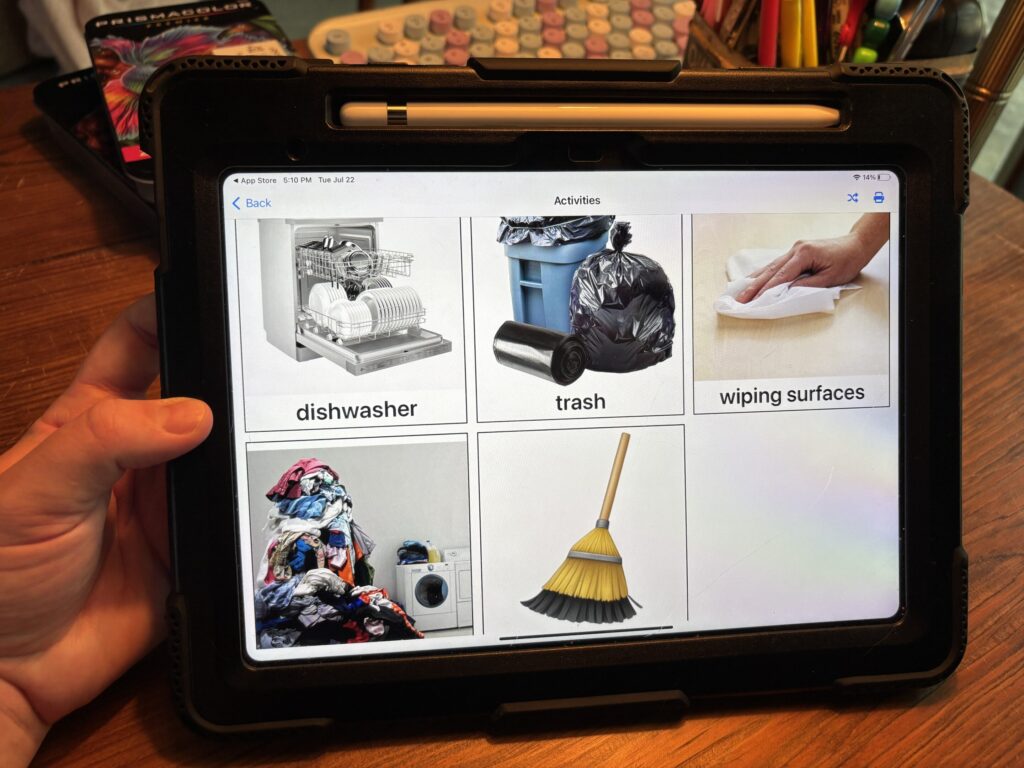
Not only that, we love our communication apps like Proloquo2Go, apps that help with keeping organized like Time Timer or myHomework Student Planner, and book apps like Epic! Books for Kids or Bookshare (which is free with school eligibility). There are loads of reading, writing, math, and academic support apps out there, too. Check out this list of 50 Apps for Special Education!
5. Life Skills Workbooks
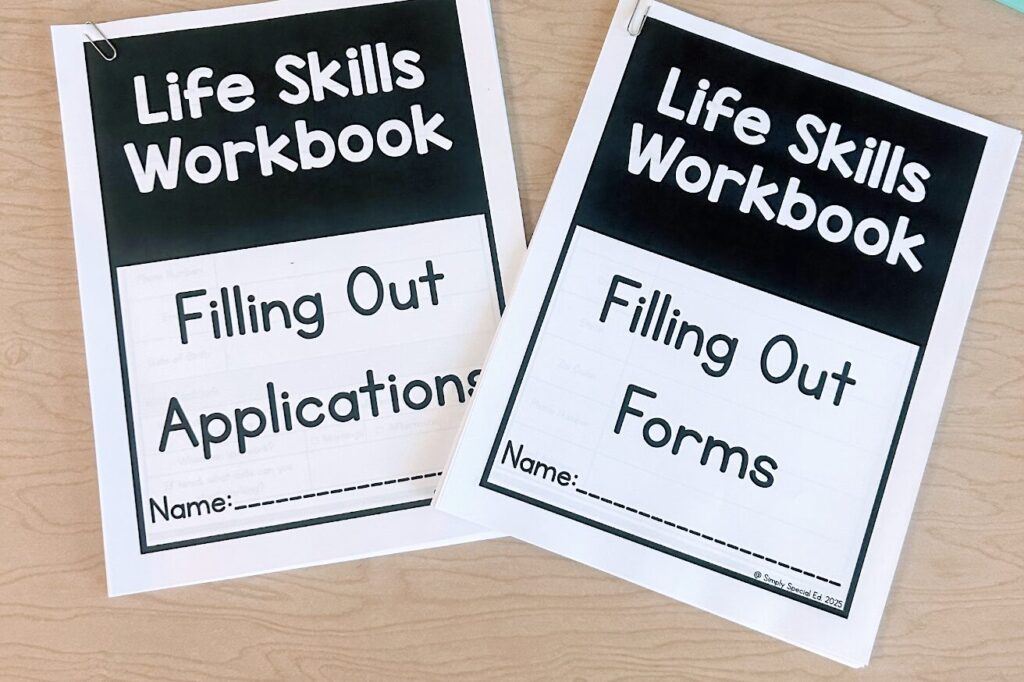
Similar to life skills binders, it can be so beneficial to focus on specific functional units (e.g., cooking safety, grocery shopping, hygiene). Life Skills Workbooks have ready-to-go lessons and tasks that are tailored to functional goals.
Check out Allison’s blog for more information about using Life Skills Workbooks!
6. Boom Cards
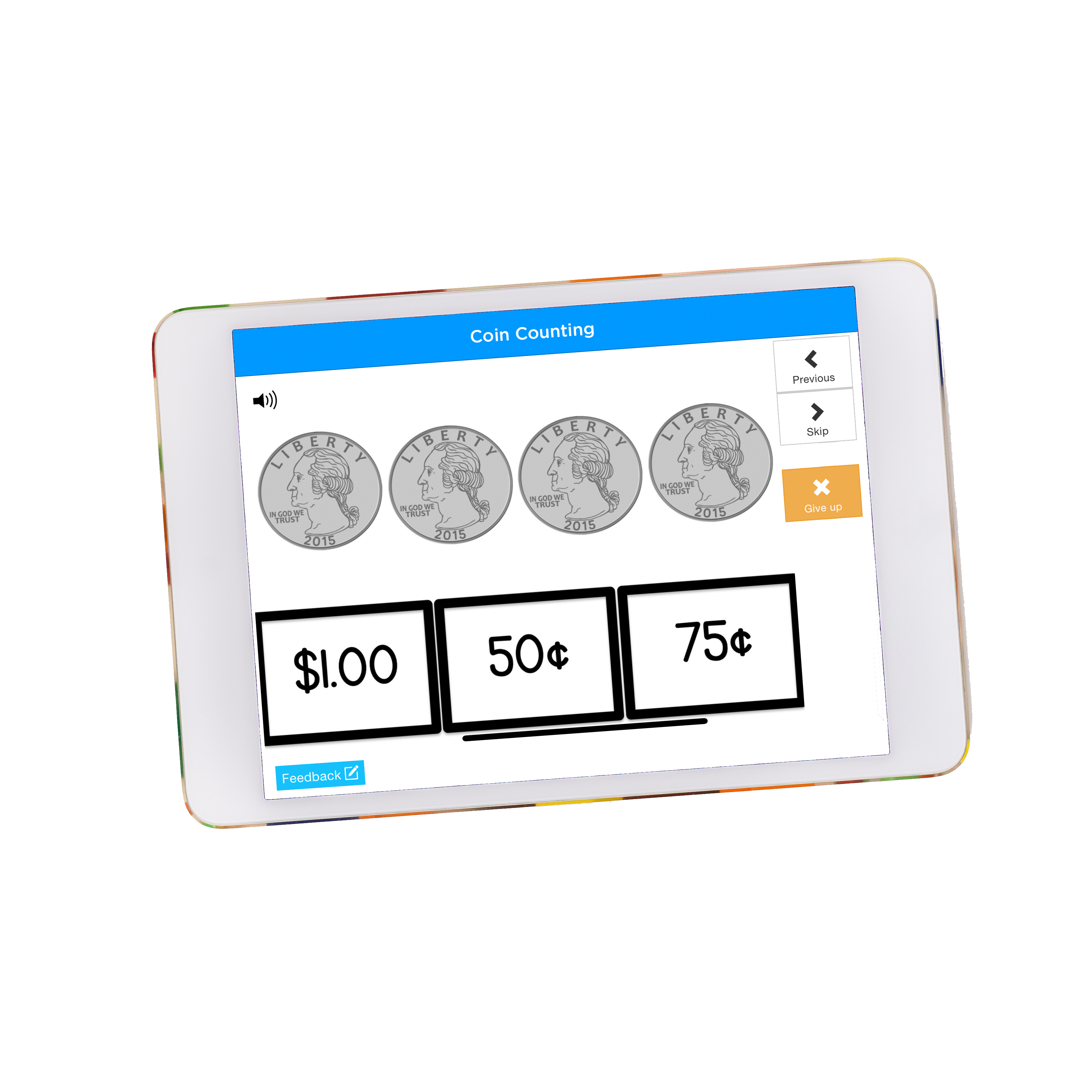
In the same way we love hands-on learning, we love using Boom Learning™ on computers or tablets. It’s hands-on and self-checking! The student receives immediate feedback after they respond to a question! Also, Boom cards can be differentiated for students’ specific learning needs. This includes life skills like functional math, reading signs, job skills, hygiene routines, and more! There are many reasons to love Boom Cards!
7. Planning for Community-Based Instruction
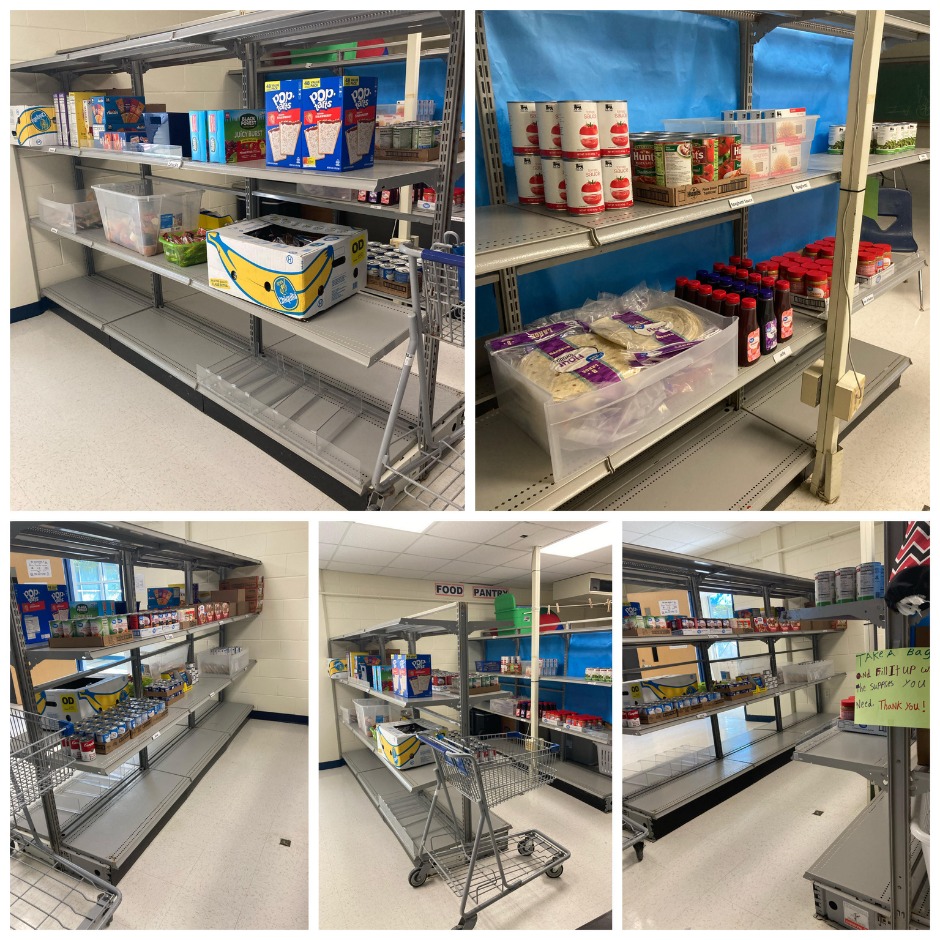
Plan to get out into your community (or bring the community to your students)! Community-Based Instruction (CBI) is a fantastic tool for functional life skills and socialization practice. As students go out into the community to practice skills in the setting they will be used, they can generalize these skills from the classroom to real life! Additionally, students in high school and transition, CBI can help with employment readiness by exploring what types of jobs students are interested in.
8. Transition and Vocational Assessment Resources

Actively prepare your students for life after high school using assessments that include vocational and transition elements. Tools like Basic Life Skills Checklists, Life Centered Education curricula, Attainment Company curricula, or different Transition Skills Inventories are great to cover a wider variety of skills. Ask your district what types of tools they have or may purchase for you.
9. Environmental Print
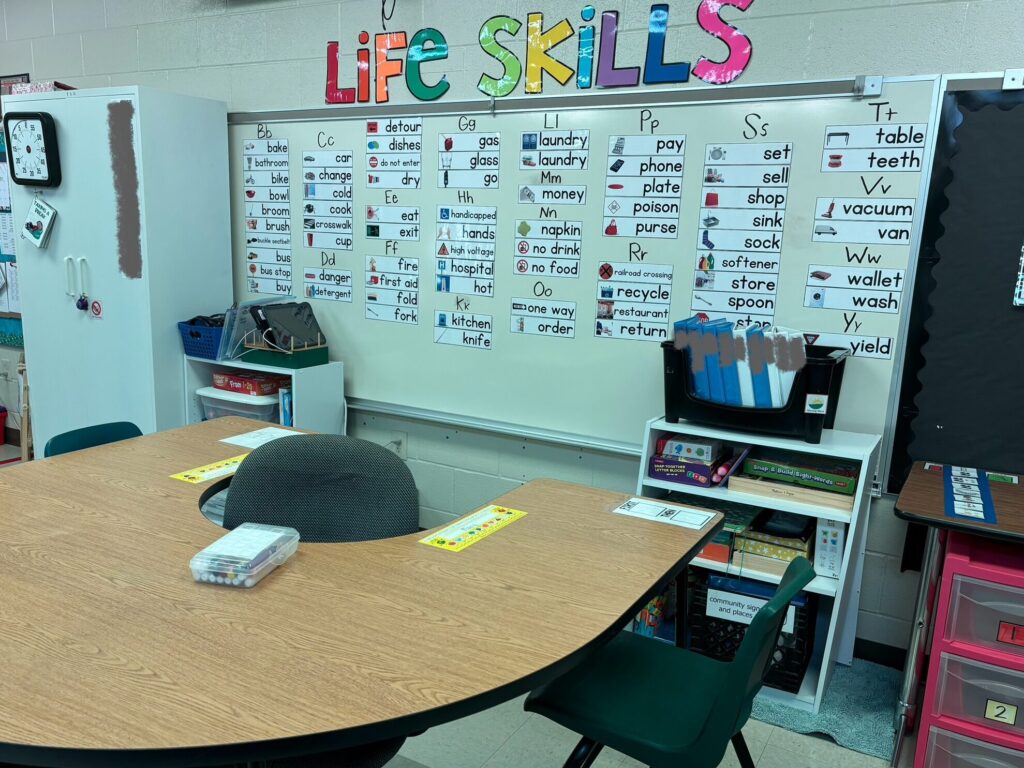
In addition to all these vocational and functional tools, I love having environmental print in the room to encourage skills like independence and functional literacy! There are so many benefits to having a Life Skills Word Wall. Some include promoting communication, increasing engagement with the objects shown in the real photos, encouraging independence, and the ability to support IEP goals. Plus you can use it for many different things! It’s my favorite!
10. Keeping Your Data

Lastly, keeping your data organized and up-to-date will help you better support your students in high school life skills. I’m counting this as an important resource because teachers need to know where students’ present levels stand to create the best plan moving forward.