• Home
  • Online Courses
    • Simple Self-Contained Setup 101®
      • Success Stories
    • Simple Centers System
    • Course Member Sign In
  • Shop Now
    • Shop Now
    • Free Resources
    • Gift Cards
    • Cart
    • Purchase Orders
    • School Licenses
    • My Account
  • Free Webinars
  • Blog
    • Academics
      • Adapted Books
      • Comprehension
      • Cooking
      • Crafts
      • ELA
      • ESY
      • Fine Motor
      • Life Skills
      • Math
      • Occupational Therapy
      • Science
      • Sensory Bins
      • Social Emotional Learning
      • Social Skills
      • Social Studies
      • Speech Therapy
      • Task Boxes
      • Vocabulary
      • Writing
    • At Home Learning
      • Digital
      • Remote Learning
    • Behavior
      • ABA
      • Communication
        • AAC
      • Data
      • Schedules
      • Visuals
    • Simple Classroom
      • Back to School
      • Book Recommendations
      • Classroom Setup
      • Freebies
      • IEP
      • Inclusion
      • Inspiration
      • Organization
      • Paraprofessional
      • Remote Learning
      • Seasonal
        • Fall
        • Winter
        • Spring
        • Summer
    • Tot School
  • Classroom Tours
    • Self-Contained
    • Speech
    • Preschool
    • Elementary Autistic Support
    • K-2
    • K-2 (Socially Distanced)
    • K-4 (Tiny Room)
    • 1-4 (Life Skills)
    • 2-3 (ABA)
    • Middle School
    • High School
    • High School (Life Skills)
    • Multiple Disabilities
  • New Teachers
    • Join My Online Course
    • First Year
    • Interviews
    • Job Search
  • Grade Level
    • Preschool
    • Primary
    • Elementary
    • Middle School
    • High School
  • More…
    • Meet Alyssa
    • Meet Our Bloggers
    • Collaborate
    • Guest Blogging
    • Contact Me
    • Disclosures
    • Facebook
    • Instagram
    • Pinterest

Simply Special Ed

Resource Downloads & Teaching Advice

Blog Elementary Preschool

Active Learning Approach with Young Learners

Header image for Active Learning Approach with Young Learners blog

What is the Active Learning Approach?

The active learning approach is an instructional method that puts the students in control of their own learning. Students actively participate in learning and construct their understanding of the content material. 
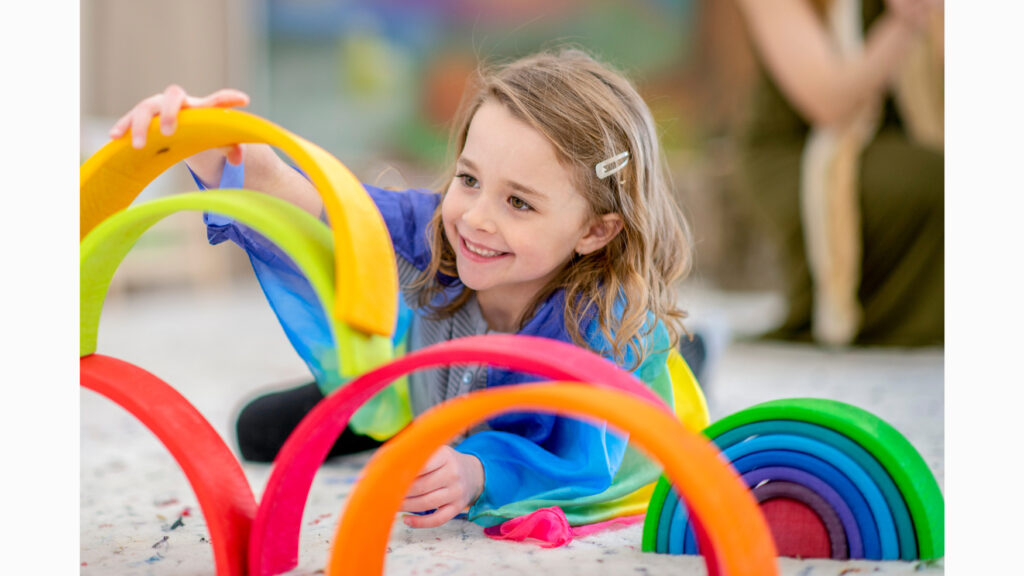
Active learning with young girl

What Does the Active Learning Approach for Young Learners Look Like?

Some might feel that older students are better suited for the active learning approach, as they are more able to make decisions about how they learn best. But that is not true. Young learners are equally as capable of making connections between their prior knowledge and new concepts.

Young learners learn actively through a play-based curriculum. During play, young learners choose what they play with and the level of engagement. This allows young learners to make discoveries and connections about concepts that eventually become building blocks for academic skills. For example, when students are building with blocks, they are exposed to mathematical concepts such as counting and geometry. When young learners do arts and crafts, they practice their fine motor skills. When students are engaged in dramatic play, they develop their communication skills. 

3 Ways to Incorporate the Active Learning Approach with Young Learners
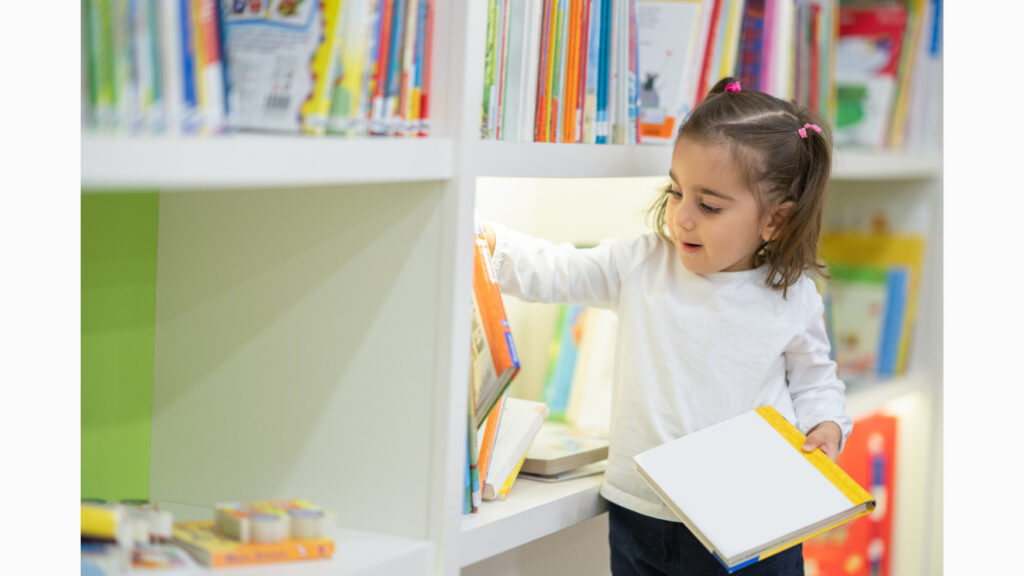
Young learning choosing a book to read

1. Student Choice

Giving young learners choices is a great way to put them in control of their own learning. Examples of choices to give students include writing utensils, play stations to be available, which play station to start, and which story to read.

Preschool class engaging in interactive read aloud

2. Interactive Read-Aloud

Young learners love to be read to. Instead of having young learners sit still and listen to a story, consider supplementing interesting books with an interactive element to keep students engaged. For instance, use pictures/puppets to guide students to identify the various aspects of the story and turn read-aloud into an engaging active learning opportunity.
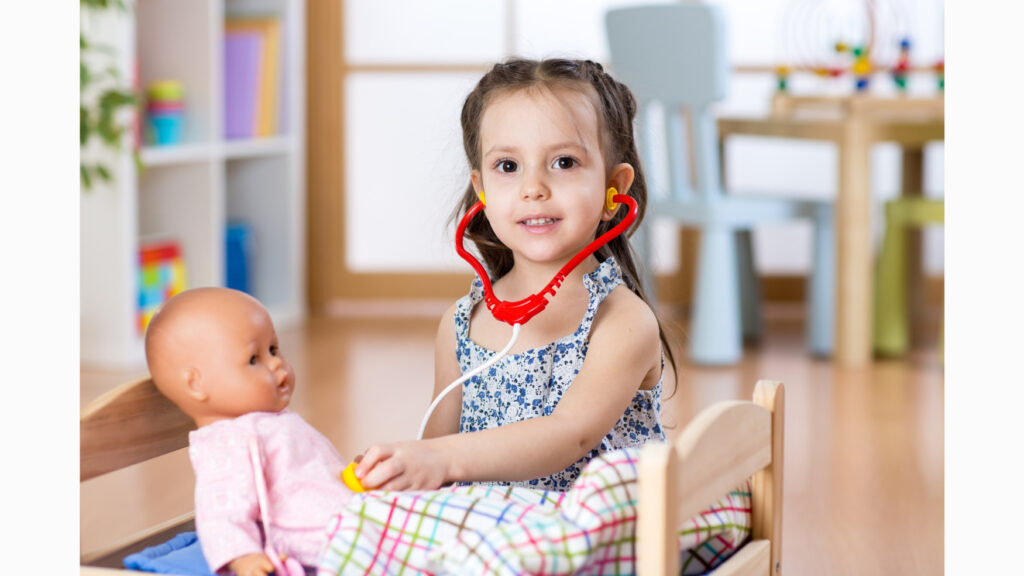
Young learning engaged in child-determined play

3. Child-Determined Play

As described, developmentally appropriate free play allows young learners to develop building blocks for academic skills. Make sure your schedule allows for child-determined free play!

Tiffany, SSE Blogger, Signature
Pin for Active Learning Approach with Young Learners blog

Related Posts:

  • Active Learning Approach for Upper Elementary Students Featured Image
    Active Learning Approach for Upper Elementary Students
  • early intervention program carpet area
    Early Intervention Preschool Classroom Tour
  • <strong>How to run a Transitional Kindergarten Task Box Center</strong>
    How to run a Transitional Kindergarten Task Box Center
Share
Pin


« December Task Boxes
5 Fine Motor Activities with a Candy Cane Theme »
Hi amazing teachers!
I'm Alyssa Shanahan -- a former Elementary Special Ed & Life Skills teacher. My classroom focus was always to keep things simple, increase communication, and build independence. Simply Special Ed's goal is to help teachers and students reach their full potential in and out of the classroom!

Sign up to receive exclusive tips,
free resources, and more!

Recent Posts

Holiday Book Companions

Image of a teacher using technology to display contents of his lesson.

Three Ways I Use Technology During Morning Meeting

Sharing My Centers Lesson Plans

Holiday Visual Crafts for Special Education

november special education crafts

Thanksgiving Visual Crafts for Special Education

How to Teach Staying in Your Seat During Centers

Copyright © Simply Special Ed 2025 · Design by Fancy Girl Design Studio

Copyright © 2025 · Simply Theme on Genesis Framework · WordPress · Log in

We use cookies to ensure that we give you the best experience on our website. If you continue to use this site we will assume that you are happy with it.