• Home
  • Online Courses
    • Simple Self-Contained Setup 101®
      • Success Stories
    • Simple Centers System
    • Course Member Sign In
  • Shop Now
    • Shop Now
    • Free Resources
    • Gift Cards
    • Cart
    • Purchase Orders
    • School Licenses
    • My Account
  • Free Webinars
  • Blog
    • Academics
      • Adapted Books
      • Comprehension
      • Cooking
      • Crafts
      • ELA
      • ESY
      • Fine Motor
      • Life Skills
      • Math
      • Occupational Therapy
      • Science
      • Sensory Bins
      • Social Emotional Learning
      • Social Skills
      • Social Studies
      • Speech Therapy
      • Task Boxes
      • Vocabulary
      • Writing
    • At Home Learning
      • Digital
      • Remote Learning
    • Behavior
      • ABA
      • Communication
        • AAC
      • Data
      • Schedules
      • Visuals
    • Simple Classroom
      • Back to School
      • Book Recommendations
      • Classroom Setup
      • Freebies
      • IEP
      • Inclusion
      • Inspiration
      • Organization
      • Paraprofessional
      • Remote Learning
      • Seasonal
        • Fall
        • Winter
        • Spring
        • Summer
    • Tot School
  • Classroom Tours
    • Self-Contained
    • Speech
    • Preschool
    • Elementary Autistic Support
    • K-2
    • K-2 (Socially Distanced)
    • K-4 (Tiny Room)
    • 1-4 (Life Skills)
    • 2-3 (ABA)
    • Middle School
    • High School
    • High School (Life Skills)
    • Multiple Disabilities
  • New Teachers
    • Join My Online Course
    • First Year
    • Interviews
    • Job Search
  • Grade Level
    • Preschool
    • Primary
    • Elementary
    • Middle School
    • High School
  • More…
    • Meet Alyssa
    • Meet Our Bloggers
    • Collaborate
    • Guest Blogging
    • Contact Me
    • Disclosures
    • Facebook
    • Instagram
    • Pinterest

Simply Special Ed

Resource Downloads & Teaching Advice

Blog Elementary High School Middle School New Teachers

Must Know Special Education Laws

Whether you are a pre-service teacher ready to graduate or a veteran teacher, being proficient in these national laws will help you advocate for your students in your classroom.

There are other specific laws based on state, if you need to find those, click here.

Brown vs. The Board of Education (1954)

Brown vs. The Board of Ed stated “separate is not inherently equal”. This case specifically referenced school integration during the Civil Rights Movement. Many disability rights activities use this case to advocate for access to free appropriate public education.
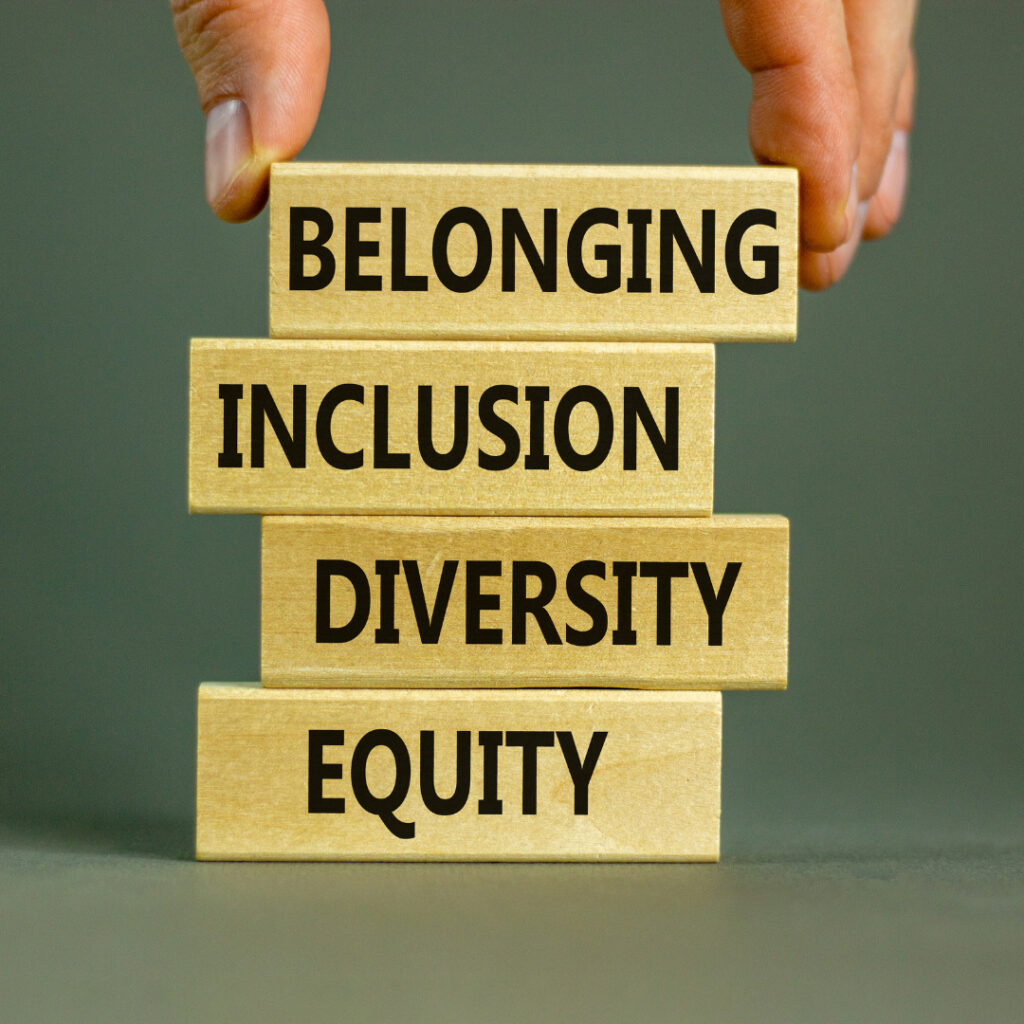
blocks stacked on top of each other each with a word on them. From bottom: equity, diversity, inclusion, belonging

Section 504 of the Rehabilitation Act (1973)

Read the law here.

Section 504 states that anyone who has a disability cannot be discriminated against and deserve access to the necessary supports. Often, students receiving support under Section 504 usually need only modification and accommodations in order to access the general education learning (such as proximal seating or extended time). Section 504 DOES NOT mandate specialized instruction. Think Tier 2 services (RTI) vs. Tier 3 services (special ed services). If a student qualifies under Section 504, they do not necessarily fall into one of the 13 disability categories of IDEA.

Individuals with Disabilities Education Act (IDEA, 1990)

AKA Education of All Handicapped Children Act (1975)

The Education of All Handicapped Children Act of 1975 is when legislature initially introduced the concepts that are the fundamentals to special education.

Free appropriate public education (FAPE), least restrictive environment (LRE) and individualized education programs (IEP) all are introduced in EAHCA.

In addition, EAHCA explicitly outlines parents rights as it pertains to the student records, informed consent and right to deny services. See more about EAHCA here.

The Individuals with Disabilities Education Act of 2004 agrees with EAHCA and expanded on it. IDEA introduced the 13 disability categories under which a child can receive special education services.
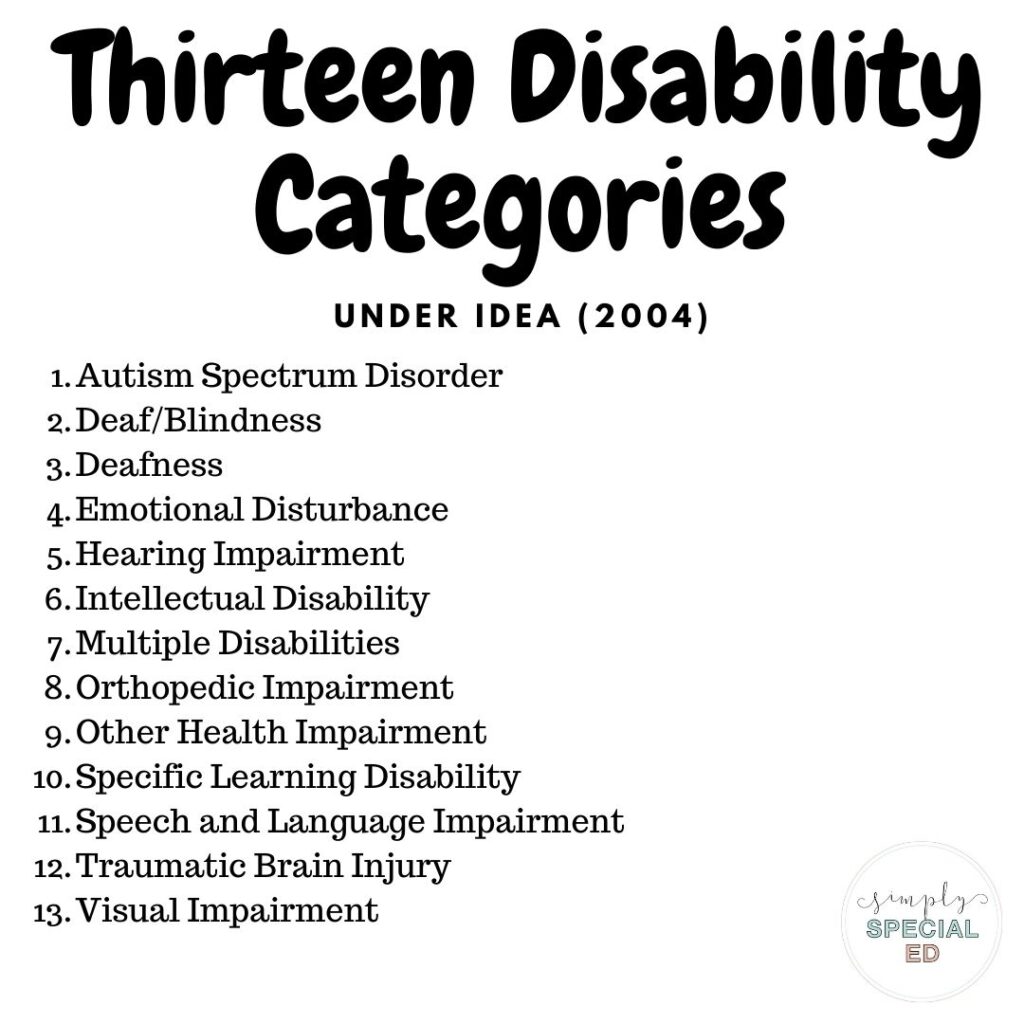
List of 13 disability categories under IDEA
This is a great resource that defines each of the disability categories!

Additionally, IDEA clearly defines the timeline of evaluations, parent procedural safeguards and the student’s right to an appropriate evaluation.

Individuals with Disabilities Education Improvement Act

IDEIA (2004) further expands on IDEA and provides amendments that provide greater detail around who needs to be present at meetings, additional procedural safeguards for parents and ways for teachers to be proactive in their IEP writing to address if an issue arises.

Americans with Disabilities Act (1990)

Introduced in the same year as IDEA, the Americans with Disabilities Act (ADA) protects adults with disabilities from discrimination. ADA covers transportation, telecommunication services and accessibility information for government agencies.

This law is broken down into four categories;
1)employment
2)state and local governments and their duties to support individuals with disabilities
3)accommodations required by public services
4)assistive technology and who/how to access it

ADA is why there are curb cuts in the sidewalk and crosswalks blink and ring. Anything related to accessibility in the community, probably comes back to ADA. Read more here.

Assistive Technology Act (1998)

While this law was first directed primarily to the Deaf community and their access to visual telephones, the “Tech Act” now covers all individuals who require assistive technology(AT) to interact with their environments. This act provides funding for state and local governments to create informational hubs about what assistive tech means and how it can be accessed by all who need it. Remember, assistive technology and assistive and augmentative communication are different!
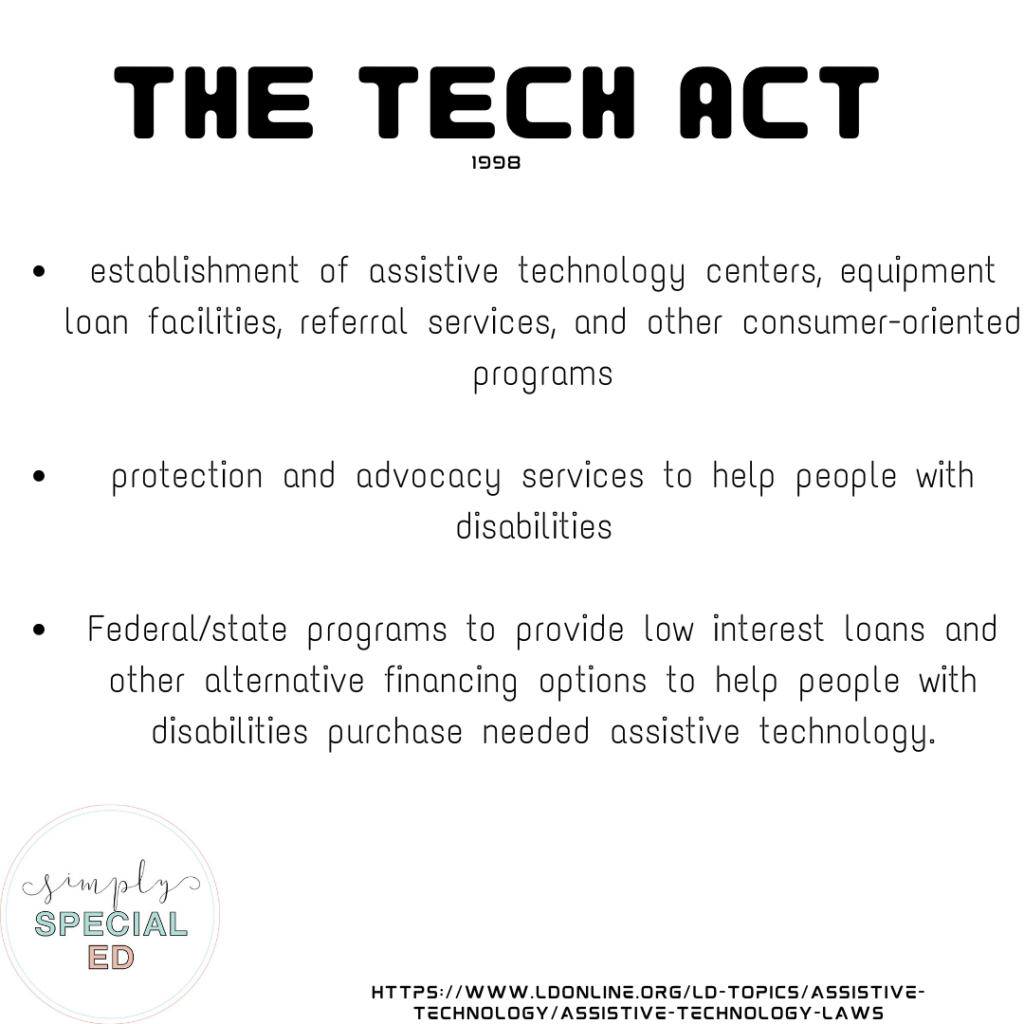
https://www.ldonline.org/ld-topics/assistive-technology/assistive-technology-laws

Ultimately, these are not the only Special Education Laws…

…but these are the ones I find I reference daily.

Additional Resources

Note: This video includes Development Delay, which is not one of the 13 disability categories according to IDEA. Development Disability is widely used as a diagnosis in Early Intervention/CPSE while diagnostic criteria may not be met.
Class Act Podcast
The Autism Helper Podcast

Books

The Fundamentals of Special Education

A Everyday Guide of Special Education

Have any questions? Leave them below!

Related Posts:

  • task17
    The Ultimate List of Must-Have Task Boxes for…
  • 1-1
    Must-Have Containers for Special Education Teachers
  • AC - Middle School Life Skills (6)
    10 Things You Should Know About Middle School Special Ed
Share
Pin


« Back to School Checklist for SLPs
Pros and Cons: Whole Group Contingencies »
Hi amazing teachers!
I'm Alyssa Shanahan -- a former Elementary Special Ed & Life Skills teacher. My classroom focus was always to keep things simple, increase communication, and build independence. Simply Special Ed's goal is to help teachers and students reach their full potential in and out of the classroom!

Sign up to receive exclusive tips,
free resources, and more!

Recent Posts

How to Organize Your Self-Contained Classroom for Maximum Independence

Reducing back to school behavior challenges with predictable routines

How to Rotate Centers Without Losing Your Mind

Differentiation in Centers: Simple Ways to Meet Every Student’s Needs

Reducing Back-to-School Behavior Challenges With Predictable Routines

FBA's in Special Education

FBA’s in Special Education: What Are They and How Do You Do Them? (A Guide for Special Education Teachers)

Copyright © Simply Special Ed 2026 · Design by Fancy Girl Design Studio

Copyright © 2026 · Simply Theme on Genesis Framework · WordPress · Log in

We use cookies to ensure that we give you the best experience on our website. If you continue to use this site we will assume that you are happy with it.