• Home
  • Online Courses
    • Simple Self-Contained Setup 101®
      • Success Stories
    • Simple Centers System
    • Course Member Sign In
  • Shop Now
    • Shop Now
    • Free Resources
    • Gift Cards
    • Cart
    • Purchase Orders
    • School Licenses
    • My Account
  • Free Webinars
  • Blog
    • Academics
      • Adapted Books
      • Comprehension
      • Cooking
      • Crafts
      • ELA
      • ESY
      • Fine Motor
      • Life Skills
      • Math
      • Occupational Therapy
      • Science
      • Sensory Bins
      • Social Emotional Learning
      • Social Skills
      • Social Studies
      • Speech Therapy
      • Task Boxes
      • Vocabulary
      • Writing
    • At Home Learning
      • Digital
      • Remote Learning
    • Behavior
      • ABA
      • Communication
        • AAC
      • Data
      • Schedules
      • Visuals
    • Simple Classroom
      • Back to School
      • Book Recommendations
      • Classroom Setup
      • Freebies
      • IEP
      • Inclusion
      • Inspiration
      • Organization
      • Paraprofessional
      • Remote Learning
      • Seasonal
        • Fall
        • Winter
        • Spring
        • Summer
    • Tot School
  • Classroom Tours
    • Self-Contained
    • Speech
    • Preschool
    • Elementary Autistic Support
    • K-2
    • K-2 (Socially Distanced)
    • K-4 (Tiny Room)
    • 1-4 (Life Skills)
    • 2-3 (ABA)
    • Middle School
    • High School
    • High School (Life Skills)
    • Multiple Disabilities
  • New Teachers
    • Join My Online Course
    • First Year
    • Interviews
    • Job Search
  • Grade Level
    • Preschool
    • Primary
    • Elementary
    • Middle School
    • High School
  • More…
    • Meet Alyssa
    • Meet Our Bloggers
    • Collaborate
    • Guest Blogging
    • Contact Me
    • Disclosures
    • Facebook
    • Instagram
    • Pinterest

Simply Special Ed

Resource Downloads & Teaching Advice

Behavior Blog Professional Development Social Emotional Learning Social Skills

All About Therapeutic Crisis Intervention

What is Therapeutic Crisis Intervention?
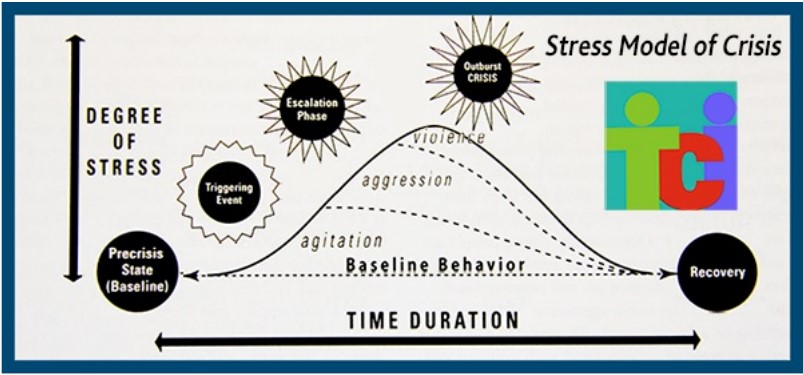
The TCI Stress Model of Crisis is shown. It illustrates degree of stress and time duration, and how agitation moves to aggression and then violence.
TCI’s stress model of crisis is a tool for understanding behavior.

Therapeutic Crisis Intervention, or TCI, is the program used for crises in my school district. (Specifically, we use TCIS – Therapeutic Crisis Intervention for Schools, as opposed to the other programs that are for families or residential settings.) TCI is a trauma-informed, evidence-based model to help prevent, de-escalate, and manage crises. The program was developed by Cornell University for use in children’s residential care facilities and has been adapted for school settings. The goals of TCI are to support students who are experiencing emotional/behavioral crises and to teach coping skills.

The Importance of Behavior Interventions
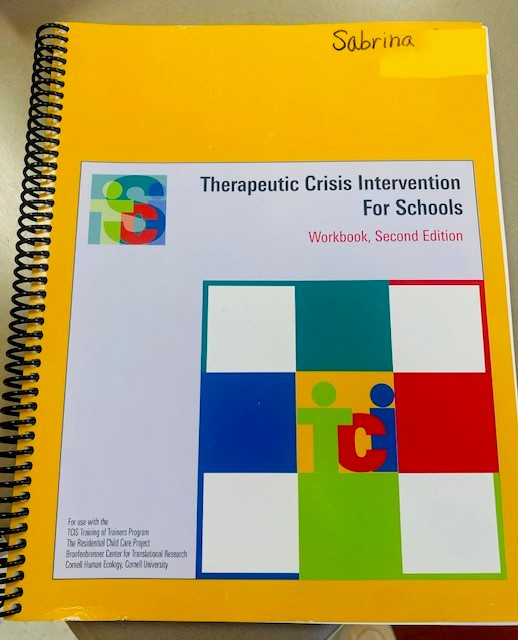
The Therapeutic Crisis Intervention for Schools workbook is shown It is a yellow spiral-bound book with a colorful "tci" logo.
My trusty TCIS manual

Many school districts utilize some form of crisis intervention program. Some examples of these programs include CPI, Mandt, and Handle With Care. Crisis intervention is necessary so that we can minimize the number of crisis behaviors that occur, deescalate students before a crisis happens, and respond safely to crisis behaviors.

Components of TCI

The goals of TCI are to TEACH behavioral strategies and SUPPORT students who are in crisis. There are several components of the Therapeutic Crisis Intervention model. Some of these components include:

Behavior Support Techniques

Behavior support techniques are the continuum of moves that adults can make to help manage behaviors. Examples of these include prompting, redirection, making a caring gesture, offering hurdle help, managing the environment, and standing in proximity to the student.

Crisis Co-Regulation

A female teacher comforts a crying child
TCI helps teachers help students to manage emotions.

Another element of TCI is crisis co-regulation strategies. When a student’s behavior starts to escalate, staff can intervene in order to prevent a student from moving from agitation to aggression. In crisis co-regulation, a calm adult is able to provide “emotional first aid” to a student by helping them drain off their emotions. Using calming breaths, body language, time, and activre listening, the adult can guide the child to a calmer state.

Physical Interventions

Therapeutic Crisis Intervention does include physical restraint training for adult staff. However, it is important to note that restraints are only used as a last resort, when a child poses an immediate threat to themself or others. Untrained individuals should NEVER perform restraints! Additionally, there is also training in protective maneuvers such as dealing with bites, choking, hair pulls, et cetera.

The Life Space Interview

A child and teacher are talking in a classroom. The teacher is crouched down to the student's level.
Debriefing with students after a crisis helps you teach replacement behaviors.

Finally, one of the most important elements of TCI is the Life Space Interview (LSI). After a crisis, the LSI is the teaching tool used to repair relationships and teach new behaviors. During the LSI, the student and staff member debrief what happened and plan strategies for preventing future occurrences.

Incorporating TCI Behavioral Strategies
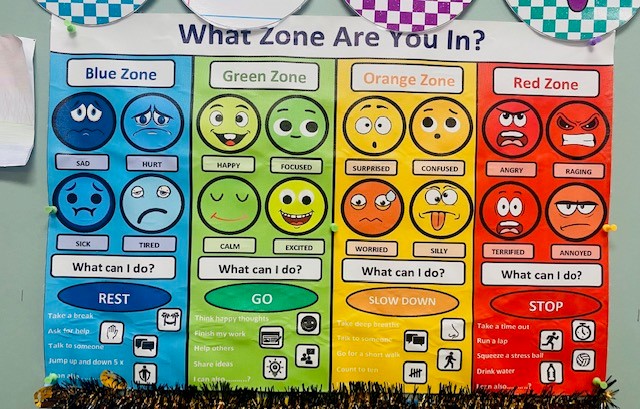
A chart titled "What zone are you in?" showing various color-coded emotions
Teaching students to understand their emotions is a part of TCI.

Teachers can utilize elements of TCI’s skill-building techniques in the classroom. You may have noticed that many of the behavioral support techniques are things you do already! One of the most important – and simplest! – things you can do is to manage setting conditions. This means managing elements within your control that can make challenging behaviors more likely to occur. An example of a setting condition is the classroom environment. Creating a structured, organized classroom helps prevent behaviors because students know what to expect.

Another important aspect is building and maintaining positive relationships. Remember that you are there to teach and support students! A strong, caring relationship with students helps to prevent difficult behaviors because students feel safe. Another effect is that when challenging behaviors do occur, students will be more responsive to your interventions if they have a trusting relationship with you.

Utilizing Therapeutic Crisis Intervention strategies in the classroom helps me create a calmer environment and teach my students valuable coping skills. Have any questions about TCI? Ask them below!

Related Posts:

  • 5 Things to Know About Working in a Therapeutic Day School
    5 Things to Know About Working in a Therapeutic Day School
  • image
    Side Jobs for Special Education Teachers: Early Intervention
  • early intervention program carpet area
    Early Intervention Preschool Classroom Tour
Share
Pin


Leave a Comment

« Unit Planning for Science and Social Studies
Collecting Data When You Have No Time »

Leave a Reply Cancel reply

Your email address will not be published. Required fields are marked *

This site uses Akismet to reduce spam. Learn how your comment data is processed.

Hi amazing teachers!
I'm Alyssa Shanahan -- a former Elementary Special Ed & Life Skills teacher. My classroom focus was always to keep things simple, increase communication, and build independence. Simply Special Ed's goal is to help teachers and students reach their full potential in and out of the classroom!

Sign up to receive exclusive tips,
free resources, and more!

Recent Posts

Visual Schedules for Nonverbal Students

Spring Book Companions

Collecting Data When You Have No Time

Unit Planning for Science and Social Studies

Understanding the Functions of Behavior

Take The Stress Out of Behavior Support Plans: Data-Driven

Copyright © Simply Special Ed 2025 · Design by Fancy Girl Design Studio

Copyright © 2025 · Simply Theme on Genesis Framework · WordPress · Log in

We use cookies to ensure that we give you the best experience on our website. If you continue to use this site we will assume that you are happy with it.