It’s nearing that time again to start thinking about our classroom setups for next year. There are lots of moving pieces when setting up a self-contained classroom. It is not just the floorplan layout, but it is also thinking about the daily routine, what your paras will be doing, how to implement the curriculum, and more! Also, in case you are wondering, I have set up the headings here according to the modules in the course. Whether you are brand new to self-contained special education or you have been doing this for 20 years, the Simple Self-Contained Setup 101 course has something for everyone!
The Schedules
Typically, teachers are given the school master schedule and the minutes they need per subject, and they just switch around when they want to do things. Self-contained teachers have a much different story when thinking about all of the different moving parts of the classroom. These may include the different grade levels in the classroom, the different therapists coming in and out, organizing any gen ed time for the students, etc. We can’t forget that our paras need a schedule as well, so they know exactly what they should be doing at all times of the day.
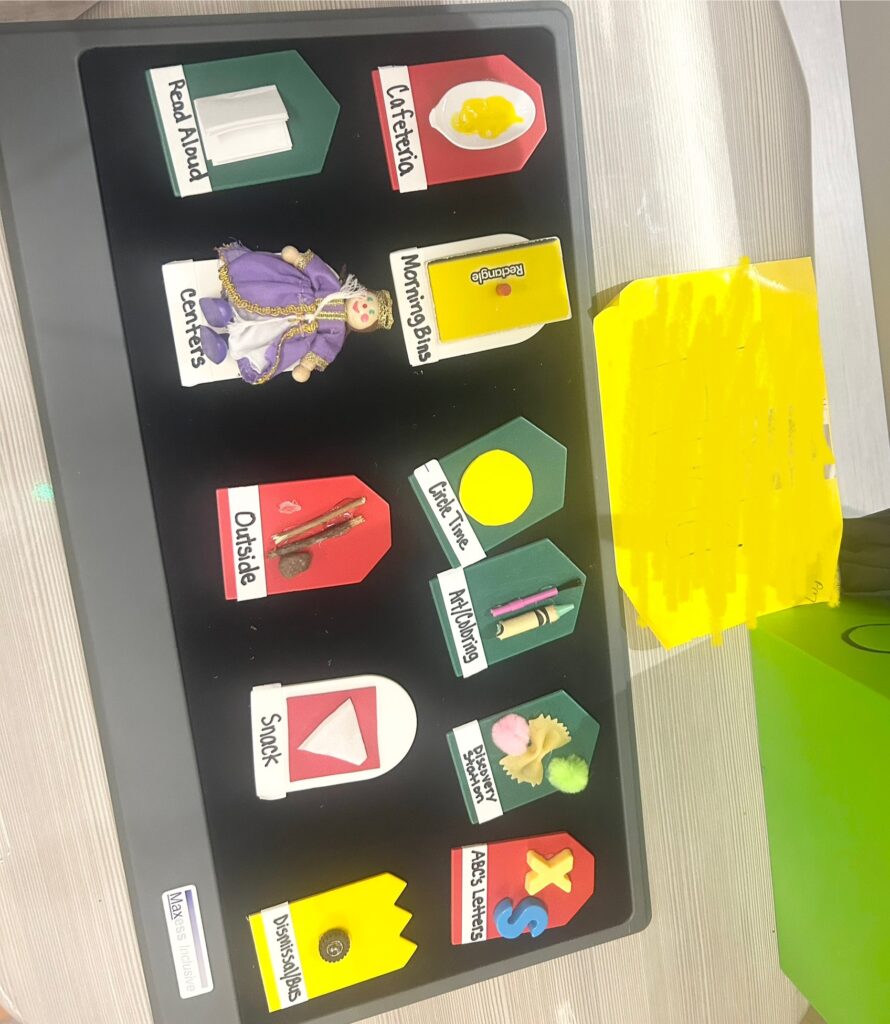
This module also talks about creating individual students. There is a download from the course available in this module about how to pick which individual schedule is right for each student. This is also a downloadable daily schedule template, plus many more downloads. I mainly use picture wall schedules for my students, but every student is different. Below is a picture of an object schedule I have used before as well.
The Team
This may, arguably, be the hardest part. As a sped teacher, we have so many people that we are collaborating with at all times. This may be parents and family, your own classroom staff, or service providers for the students. Although this may be the hardest part, it can also be one of the most important parts of the classroom setup and the success of the self-contained room.
The students in our self-contained rooms have high needs, and the parents are an important aspect in getting those needs met appropriately. According to this module, the 3 ways to include parents and families are “building relationships, including them in decisions, and daily communication.” It is important to start the ground running when setting up the room. You can do that by reaching out to the parents to let them know that you are a team working with their child. Make sure parents are part of the IEP process and in deciding what they want their child to be working on in the class.
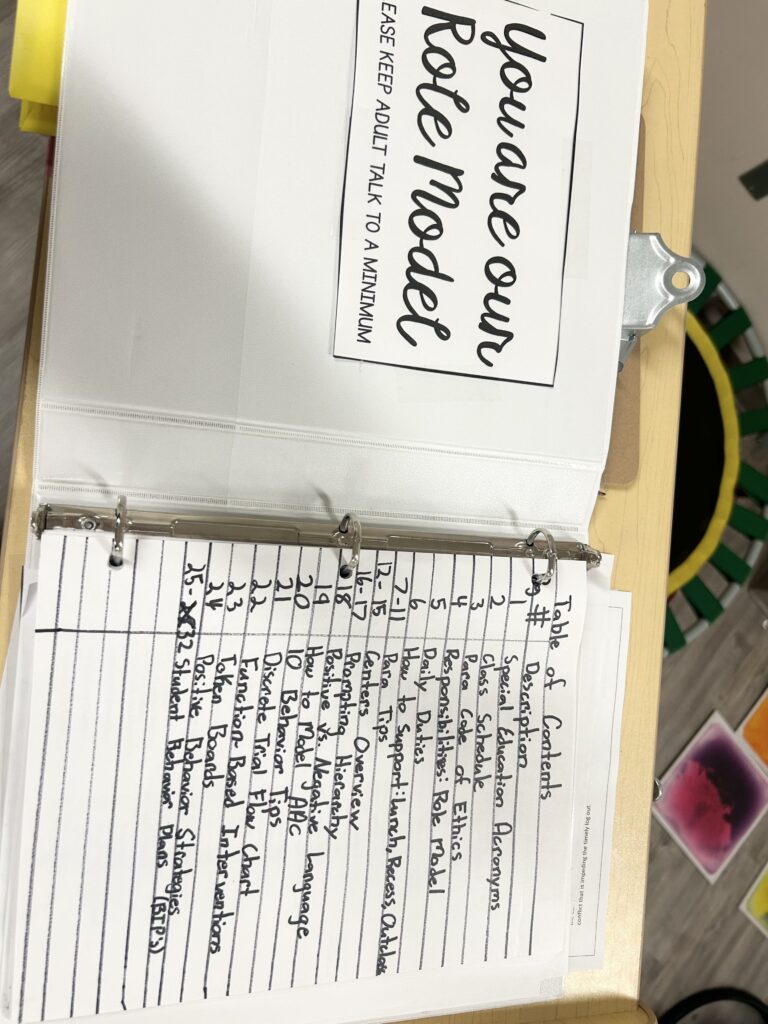
Working with adults can be daunting, but with the correct supports in place, paraprofessionals can drastically help the classroom run! It is important to be in constant communication with your staff about your students, new trainings, and any ideas that they may have as well! I have a para binder in my classroom full of things that they may need to know throughout the year. Below is a picture of my table of contents in the front of my binder, which has everything that I put in the binder.
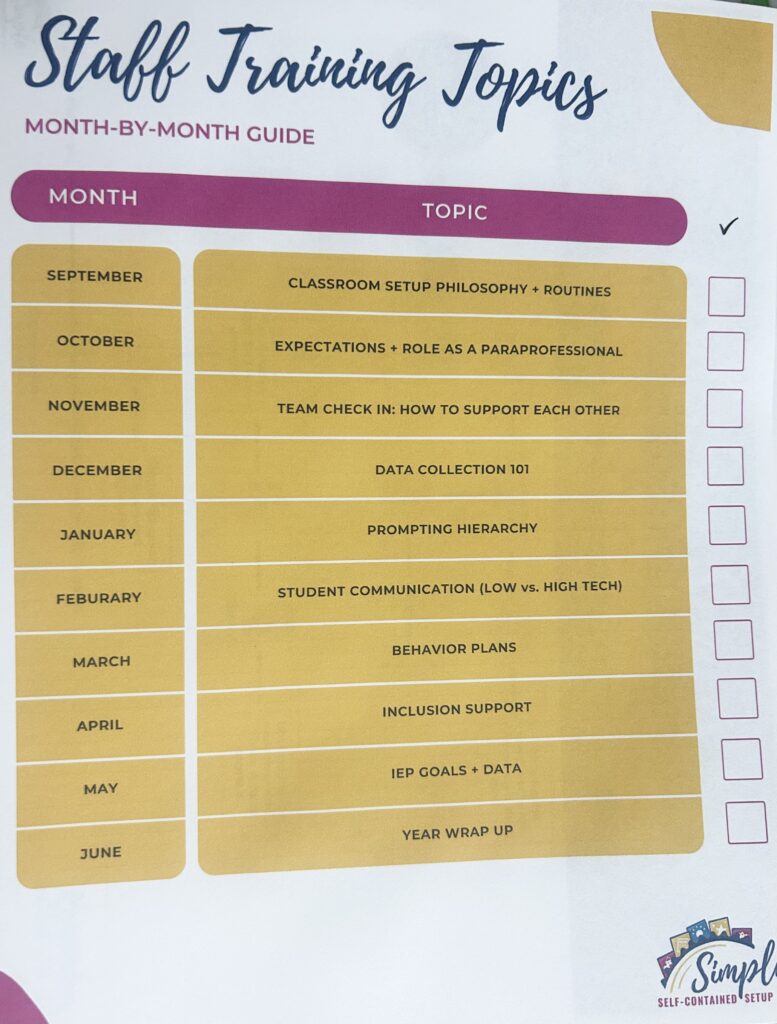
Below is a picture of a download from the course of example training topics for staff throughout the year.
The Classroom
Here is the fun part! (in my opinion) Classroom setup is crucial in a self-contained classroom because there are many different aspects to think about. One thing mentioned in this module is that it’s very important to make the room setup functional rather than decorative. We all want to have that “Pinterest perfect” classroom, but that may not support the high needs of our students.
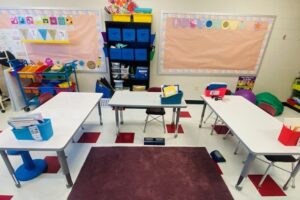
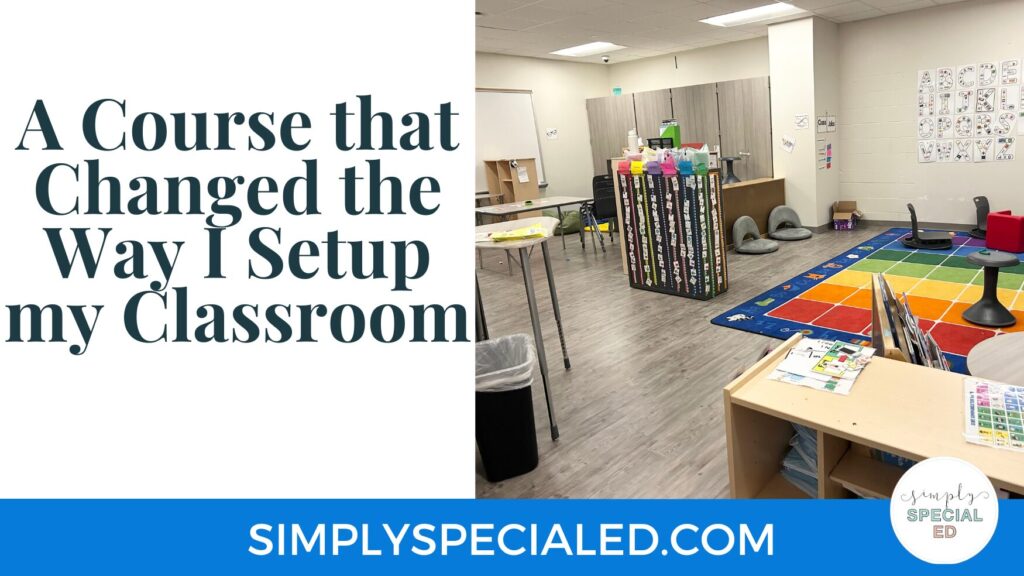
As a self-contained SPED teacher myself, I utilize a center-based classroom that focuses on high structure and routine. The only real “decor” I have in my room is a few small quotes on the walls. Besides that, everything on my walls and in my room has a function to it. For example, I have core boards around the room to allow my less verbal students access to communication. I also have visual labels and visual expectations posted in every area of the room. For a more detailed look into my classroom floorplan layout and why it works, check out this blog I wrote. Below is an overview picture of my centers-based classroom.

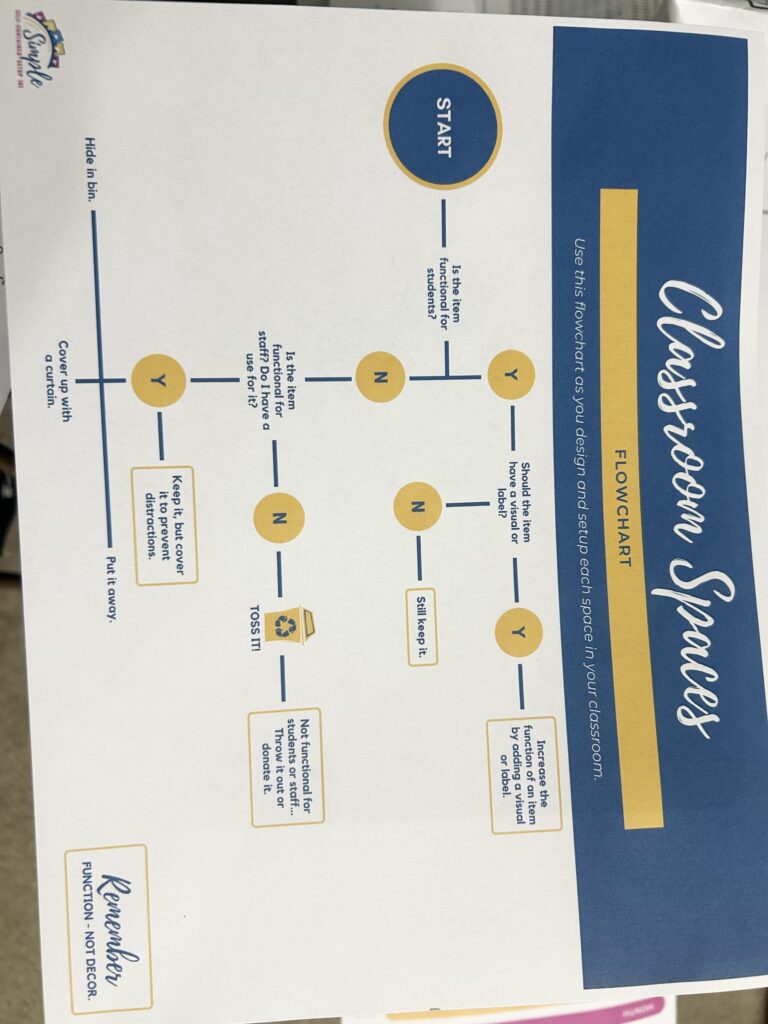
Some things to think about when setting up your classroom may be what spaces, areas, or centers you want for your room that will best work for your students. Also, does your floor plan support the behaviors of the students, the social skills of the students, and any additional needs of the students (such as using additional equipment to move around)? Want to have a center-based classroom? Check out the Simple Centers course as well! Below is a picture of a download from the course that helps you decide what spaces may be needed in your classroom.
The Curriculum
The curriculum used in your classroom may be different depending on your school or district. One thing that is common throughout is that the student’s IEP goals need to be worked on. The curriculum has to support that in some way. My district, specifically, utilizes Unique Learning as curriculum because it allows students access to the general education curriculum using prerequisite skills and knowledge. On another note, no curriculum can cover absolutely every skill that our students are going to be learning. If your district does provide a curriculum, you will still have to take some time to plan how to fill in the gaps with other ideas for things your students might need.
Some ideas, per this module, include reaching out to other SPED teachers, online groups, TeachersPayTeachers, or creating your own. One scary aspect may also be the funding, but this module covers different ideas of how to ask your school, or different entities, for funding to get a curriculum or to supplement the curriculum you were given already, without draining your own bank. If you are willing to buy a curriculum, or part of one, Simply Special Ed sells many different bundles for many different subjects. Here is a link to just one of the many bundles that are available for purchase!
The Changes
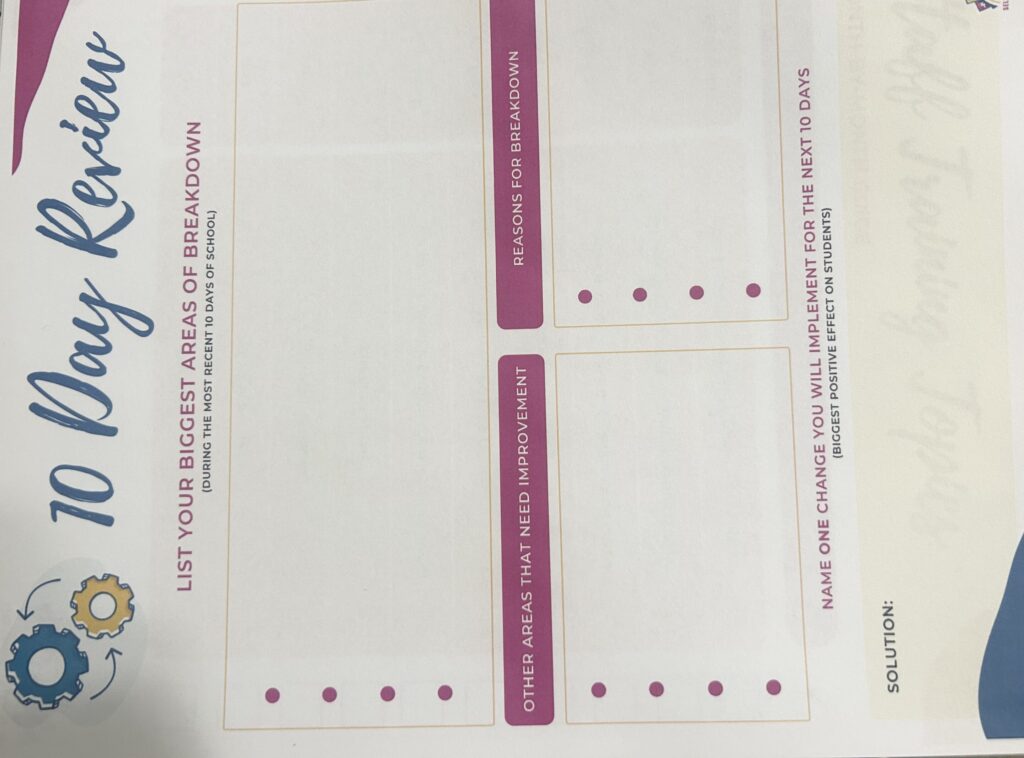
Now this is sometimes the part that we forget about, the changes that will happen. It can take so long, and so much energy, to set up a self-contained sped classroom, that we forget that change will happen at some point. Just like in life, we can plan everything perfectly, but it does not always go that way. In a classroom, it all depends on the needs of the students. Some advice that is given in this module is to take the first 10 days of school and review what went really well and what needs improvement. Once you have reviewed that, don’t be scared to implement those changes in the classroom! Below is a picture of the download for this module to help you review the first 10 days and implement any needed changes.
Your Turn
I hope you got a good sneak peek into the Simple Self-Contained Setup 101 here! Good luck setting up your self-contained classroom this year. Leap on in and follow along with the course to see what kind of difference it makes in your classroom.