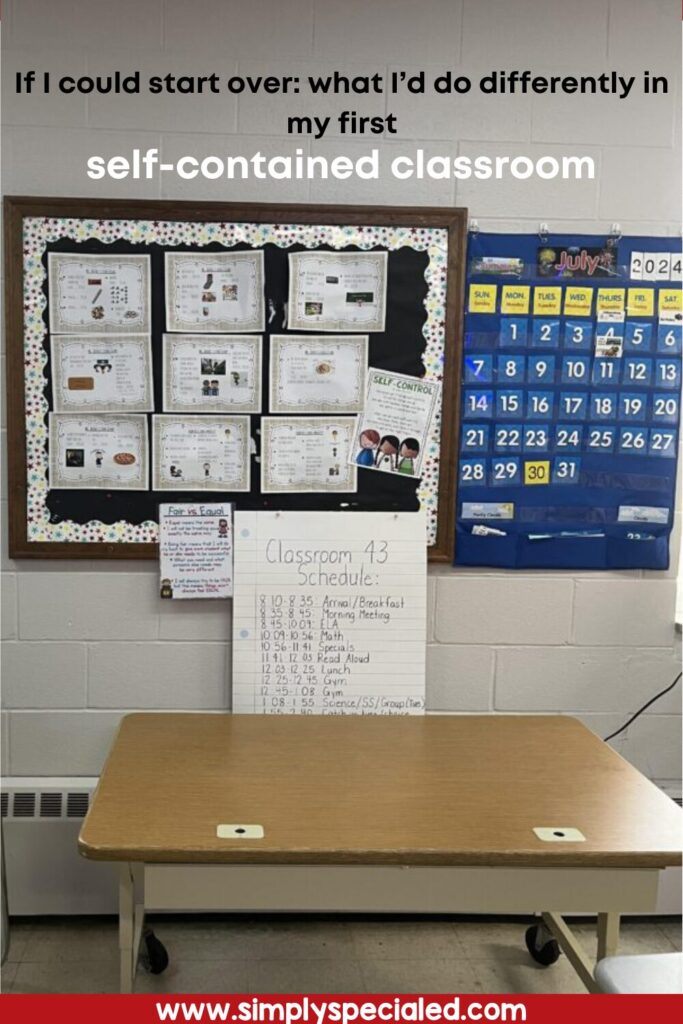
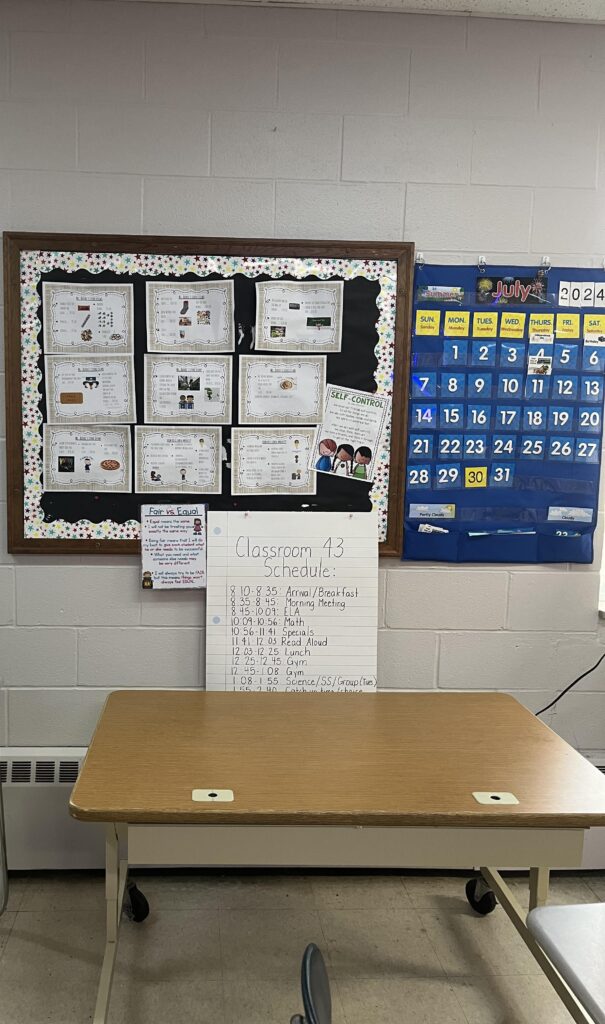
It’s hard to believe that this is my tenth year of teaching. I am a very different teacher than the one I was when I started in 2016! Read on to learn some things I would do differently in my first self-contained classroom.
Leave work at work
Looking back, the number one thing I would tell my former teacher self is to leave work at work! The first few years of my teaching career, I was spending hours every weekend lesson planning.
Burn out was happening quickly because I was using so much mental capacity on teaching related tasks outside of work. I had nothing left for my family, friends, or myself.
The first thing I did was disable email notifications on my phone. That way, if a parent or admin emailed me at 9:00 at night, I wasn’t seeing it immediately. I let the parents in my classroom know that I would be checking my emails between 8:00 am-4:00 pm. Then, anything after that would be checked and given a response the next day.
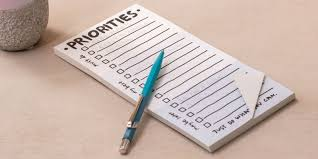
Tasks on my to-do list were prioritized. I starred the ones that had to get done that day, and I let the rest go. I made peace with the rest of the tasks being there waiting for me tomorrow!
These things took awhile to work on but made a huge difference in my mental health.
Focus on internal motivation vs. external motivation

source: The Science of Student Motivation – My Private Professor
Something else I struggled with when I started teaching was relying on external motivators for students (stickers, toys, food, etc.)
While these things may work well for some students as incentives, many of my students began to rely heavily on these things. They started asking for a reward for doing the bare minimum.
This is not to say external motivators do not have a time and a place. Many people believe that students need these motivators to be successful.
Upon reflection, I would limit these motivators to be something that students earn when they go above and beyond. This could be helping a friend when they are hurt. Or, when they do a hard thing, like achieve an IEP goal. I would not provide these rewards for expected behaviors.
Have a plan for downtime in the classroom
As a new self-contained teacher, student downtime was challenging. I learned very quickly that when students are not engaged in a structured activity, there is a higher chance for negative behaviors to occur.
This can happen when the class is waiting for the bell to ring and there are still a few minutes left, a student finishes their work early, etc. In my experience, students need specific directions for what to do during these times.
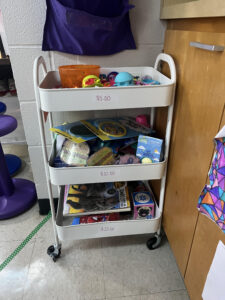
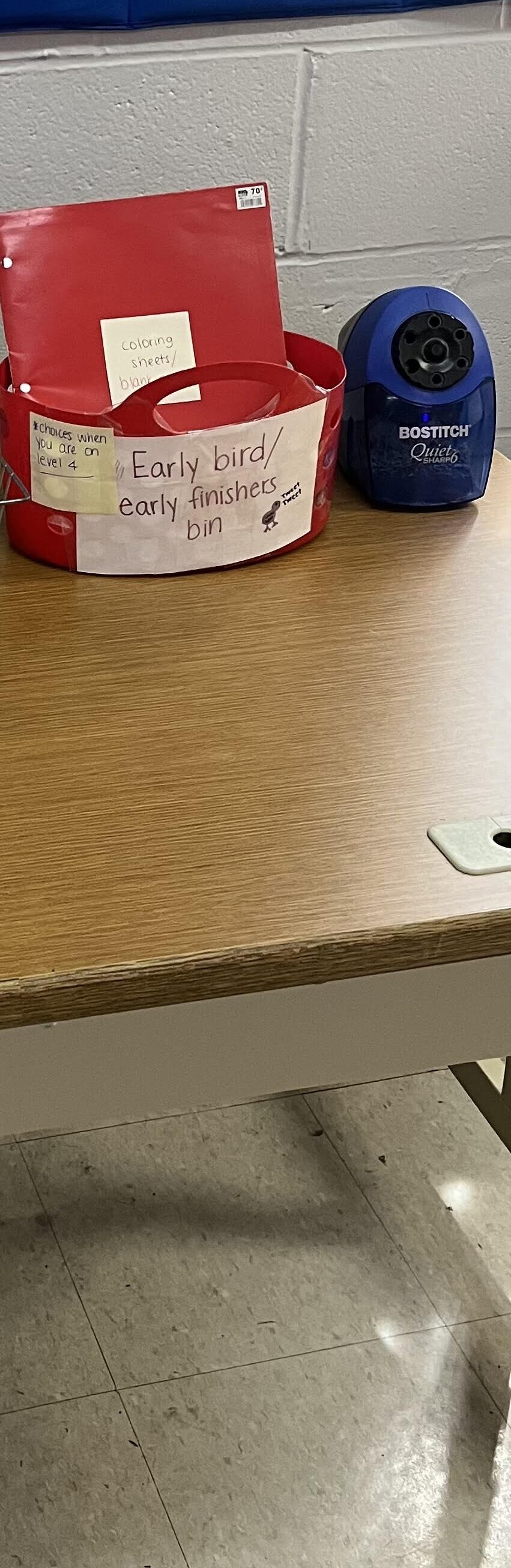
There are different strategies for this. I have used something called an “early finishers” bin. Students can go and choose something to do when they are done with their assignment. This includes word searches, pictures to color, brain teasers, etc. You should teach this routine explicitly.
Another idea is to have a cup filled with time filler activities to quickly pull from. Fill it with popsicle sticks that say something like “make a list of all the words you can make using the letters s, n, o, and w.”
When students don’t have explicit directions for what to do, even just for a few minutes, it’s very easy for the class to unravel quickly!
Accept help and delegate

As a self-contained teacher, you most likely have paraprofessionals. I struggled with delegating tasks to my paras.
However, I remind myself that helping teachers is directly in the job description of paras. As long as you treat them with respect, it is completely okay to delegate tasks to your paras that will help the day run smoother.
Check out this blog post to learn more about planning for para support in your classroom.
I hope you can take one or all of these ideas as you progress in your self-contained teaching journey!