• Home
  • Online Courses
    • Simple Self-Contained Setup 101®
      • Success Stories
    • Simple Centers System
    • Course Member Sign In
  • Shop Now
    • Shop Now
    • Free Resources
    • Gift Cards
    • Cart
    • Purchase Orders
    • School Licenses
    • My Account
  • Free Webinars
  • Blog
    • Academics
      • Adapted Books
      • Comprehension
      • Cooking
      • Crafts
      • ELA
      • ESY
      • Fine Motor
      • Life Skills
      • Math
      • Occupational Therapy
      • Science
      • Sensory Bins
      • Social Emotional Learning
      • Social Skills
      • Social Studies
      • Speech Therapy
      • Task Boxes
      • Vocabulary
      • Writing
    • At Home Learning
      • Digital
      • Remote Learning
    • Behavior
      • ABA
      • Communication
        • AAC
      • Data
      • Schedules
      • Visuals
    • Simple Classroom
      • Back to School
      • Book Recommendations
      • Classroom Setup
      • Freebies
      • IEP
      • Inclusion
      • Inspiration
      • Organization
      • Paraprofessional
      • Remote Learning
      • Seasonal
        • Fall
        • Winter
        • Spring
        • Summer
    • Tot School
  • Classroom Tours
    • Self-Contained
    • Speech
    • Preschool
    • Elementary Autistic Support
    • K-2
    • K-2 (Socially Distanced)
    • K-4 (Tiny Room)
    • 1-4 (Life Skills)
    • 2-3 (ABA)
    • Middle School
    • High School
    • High School (Life Skills)
    • Multiple Disabilities
  • New Teachers
    • Join My Online Course
    • First Year
    • Interviews
    • Job Search
  • Grade Level
    • Preschool
    • Primary
    • Elementary
    • Middle School
    • High School
  • More…
    • Meet Alyssa
    • Meet Our Bloggers
    • Collaborate
    • Guest Blogging
    • Contact Me
    • Disclosures
    • Facebook
    • Instagram
    • Pinterest

Simply Special Ed

Resource Downloads & Teaching Advice

Academics Blog Task Boxes

How To Use Task Boxes In A Multiple Disabilities Classroom

How to use task boxes in a multiple disabilities classroom.

By now you’ve noticed we do things differently in a multiple disabilities classroom. Task boxes are no exception! Today I’m going to talk about how to use task boxes in a multiple disabilities classroom.  If you don’t know what tasks boxes are, don’t worry! I’ll give a quick overview.

For free task box materials sign up for the Simply Free Library, here.

What are task boxes?

The first thing you need to know when learning how to use task boxes in a multiple disabilities classroom is what they are. Essentially, they are activities aligned to a students’ learning and transition goals neatly packed into a bin. Each bin has a label that the student will eventually be able to use to find their own work box. I like to use a strip of laminated paper, with velcro attached, to create a mini schedule for the student.
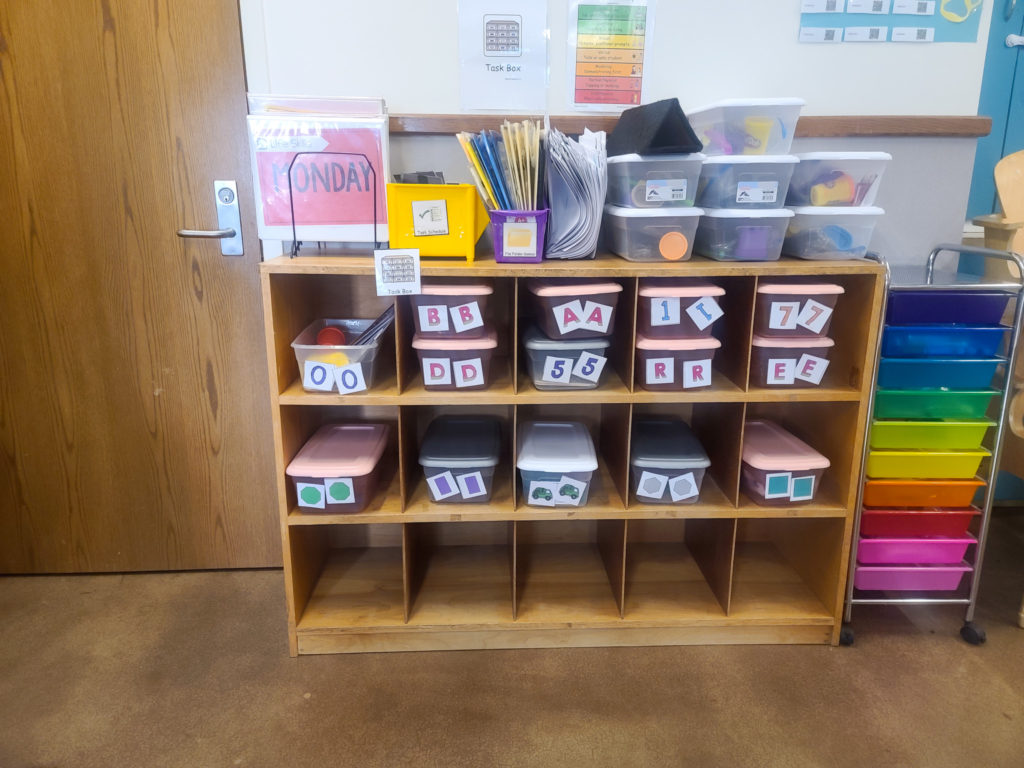
Image of a shelf filled with various rectangle shaped boxes with numbers, letters, and images on them.
Task Box Labels can be found from simply special ed. I’ve used the same ones for the last few years.

What do I use in my task boxes?

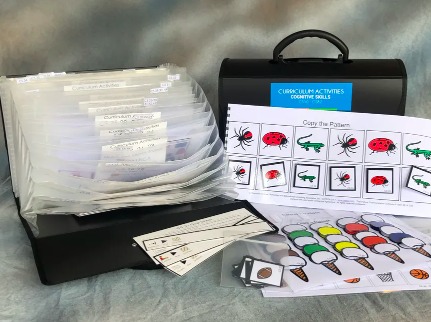
For the past four years I’ve used a task box based curriculum made by OATECA inc. This curriculum comes with an assessment and corresponding tasks for each skill on the assessment. I highly recommend it if your district can purchase it. 
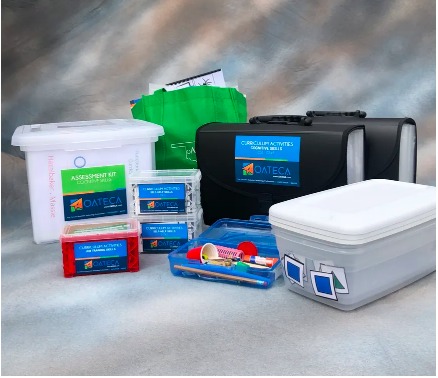
Image of the full OATECA kit showing the assessment box, rectangle containers, and the activities.
This is what the kit looks like. All of the activities are in the expandable black folders.
A picture example of the OATECA activities. Shoes completing a pattern.
Here is a preview of the activities.

Before then, I made my own! There are so many cheap ways to create tasks. I actually got several ideas from the Simple Special Ed Blog on how to make cheap and effective boxes. I also love using items from the dollar tree. Here are some of my favorite dollar tree activities and what skills they work on.
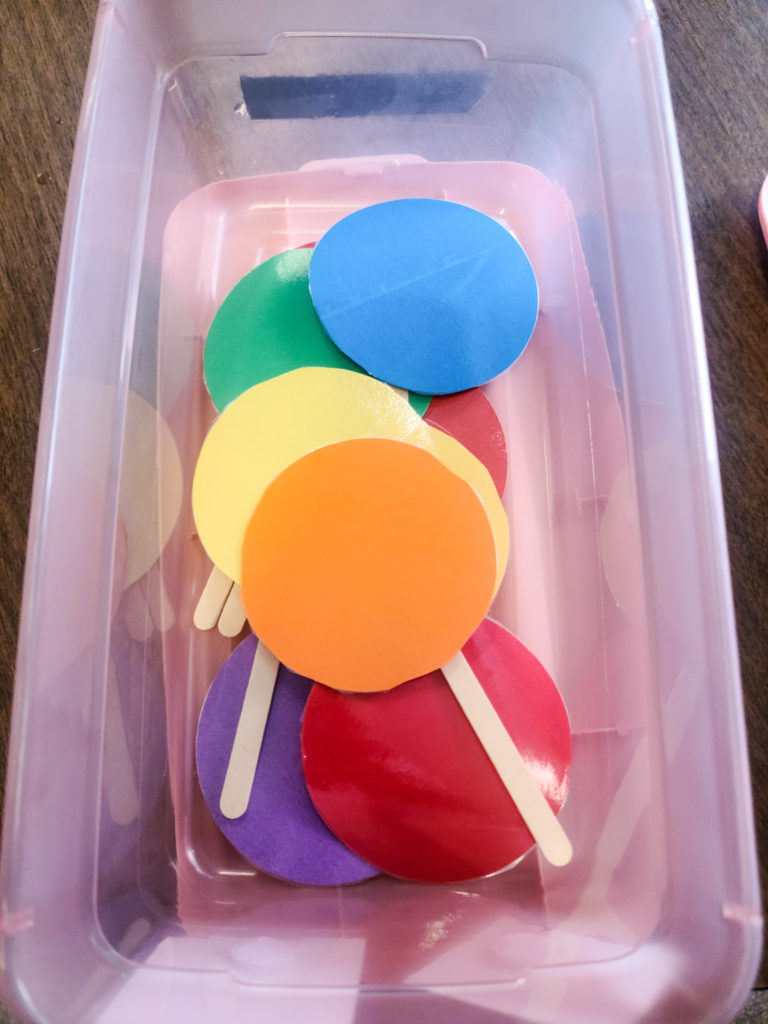
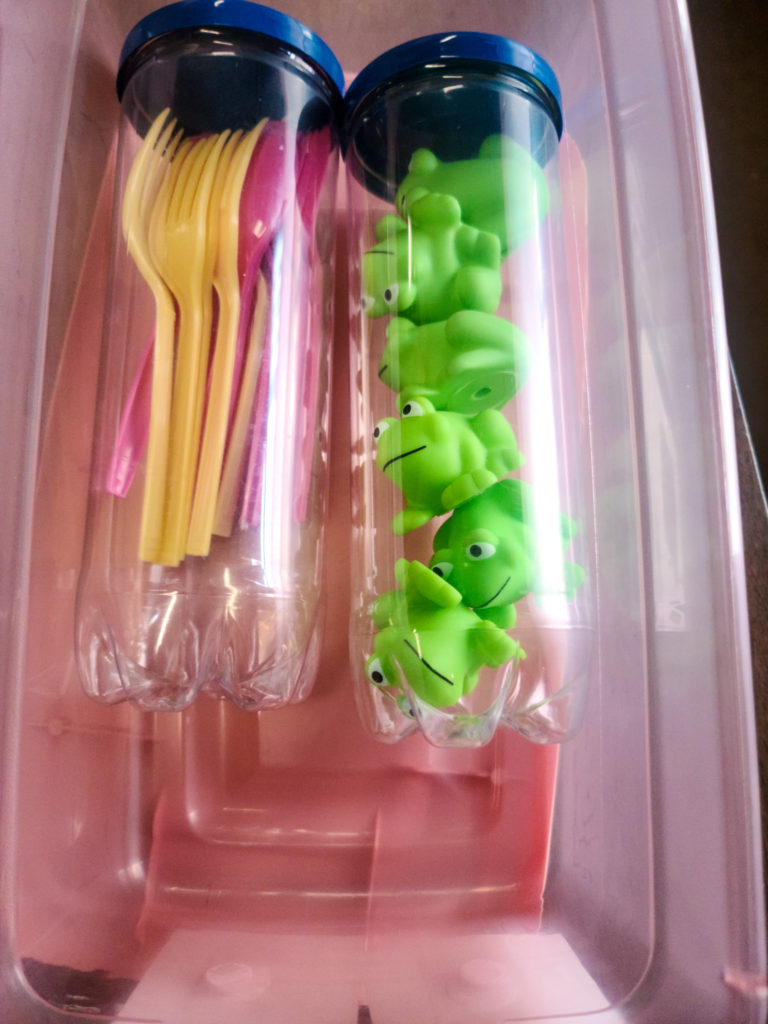
Image of a rectangular box containing colored circles.
These are laminated construction paper circles velcroed to a popsicle stick. These are great for color identification. I used sticks I already had in the classroom and construction paper from the work room.
Picture of 2 plastic tubes. One with pink and yellow forks and spoons and one with green bathtub frogs.
This is a dollar tree win! These are put in tasks that I made from dollar tree. 2$ for colored silverware and 2$ for the bags of bathtub frogs. These tasks are great when students are learning pre-requisite skills. With my students we use these when working on motor skills.
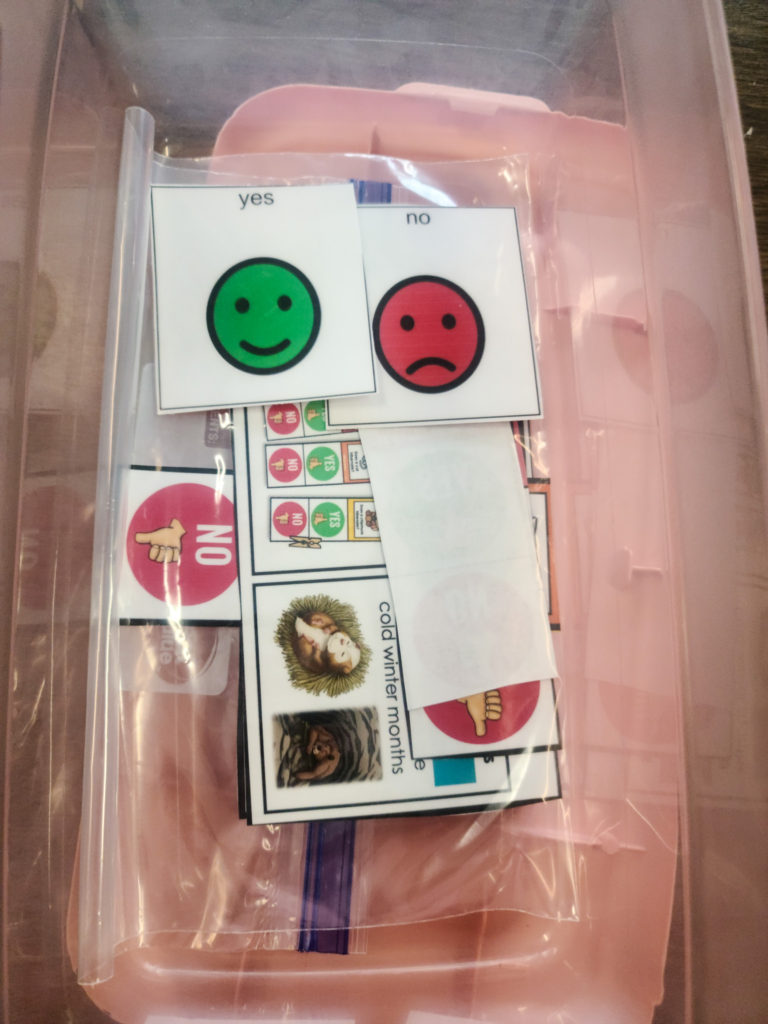
Picture of laminated card with a green  yes card and red no card.
We are learning about hibernation. This is a task card set adapted for my students. I show them the animal and ask them if it hibernates with the yes/no cards. This is great for working on communication and comprehension.
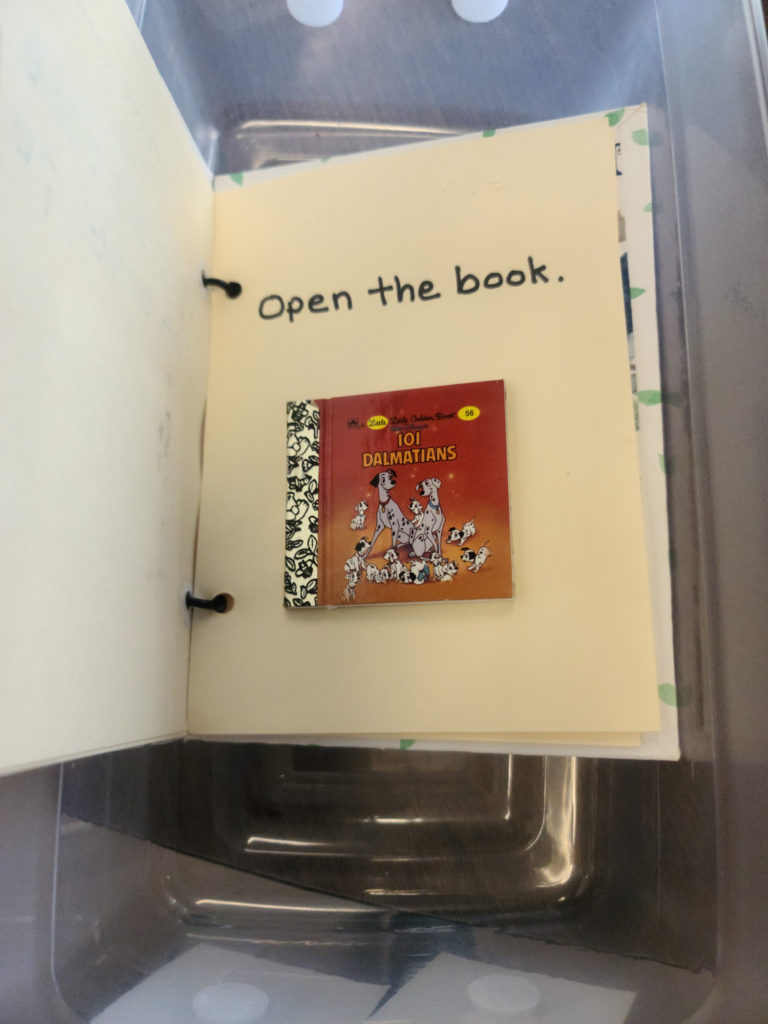
Picture of an open tactile book.
This is a tactile book working on the concepts of open and closed. These were already in my classroom when I got here, tucked away in the back of a cabinet. I make sure to use them whenever possible!

Using Task Boxes in a Multiple Disabilities Classroom

Traditionally you would instruct your students to use the system completely independently. They would look at their mini schedule, choose an icon, match it to the box, and then bring it back to the table. My students have mobility restrictions and are wheelchair users, so we do things a little differently. I take a student to the task box shelf and we get two boxes. The student, if possible, carries them on their lap. We return to the table and I show the student their mini schedule.
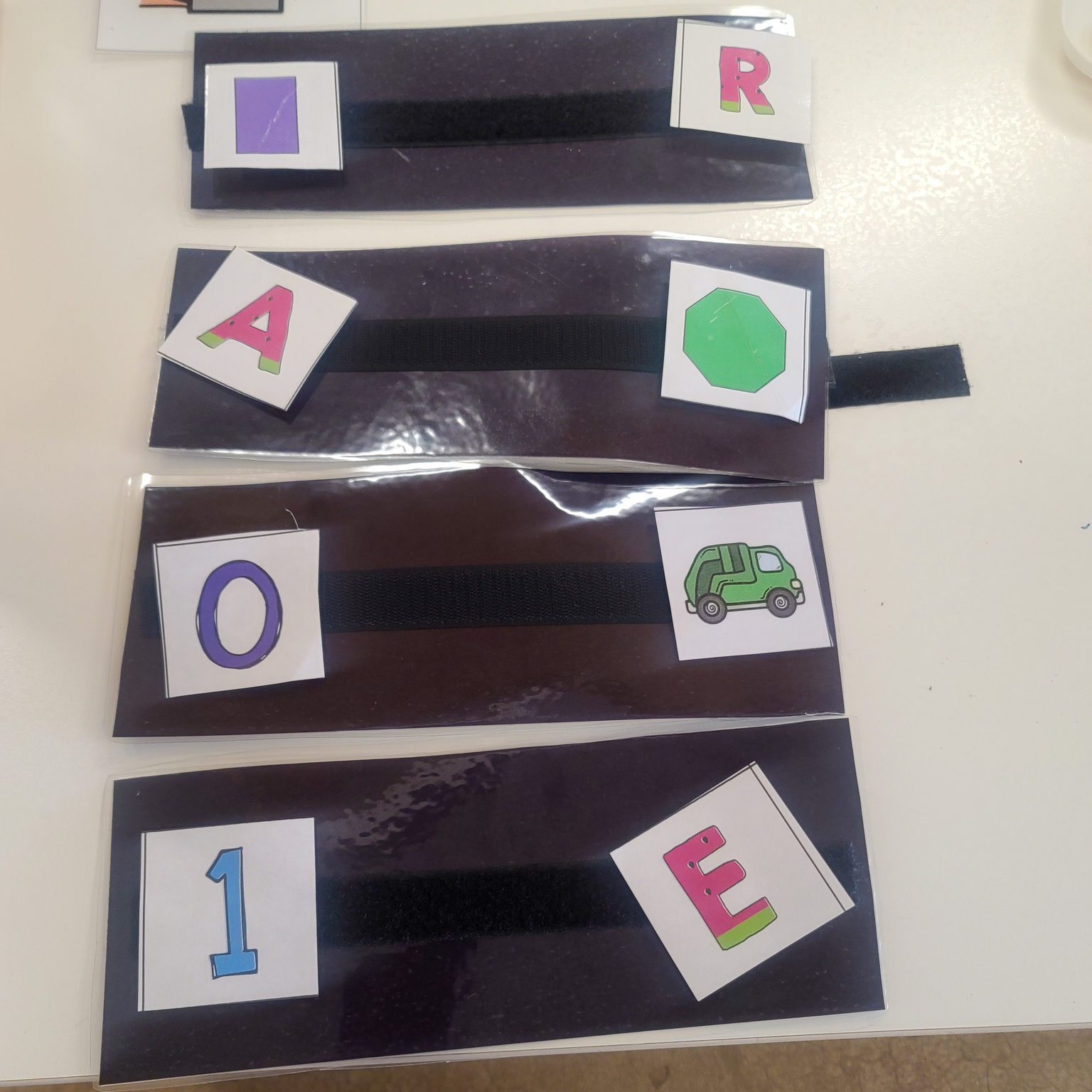
Picture of 4 black strips with letters, shapes, and colors on them.
Student Mini Schedule ready to go! I use a black background and put their initials on the back.

I always use black or yellow strips so that my students can see the two choices presented regardless of visual impairments. My student then chooses which activity to complete first by pointing, looking, or pushing a big mack switch with their desired choice. Then we complete the work together. 

I will fade prompts as we get used to using the task box system so that the paraprofessional or myself are acting just as facilitator (holding choices, providing switches, ect.) and the student is completing the work as independently as possible. 

Why use this system at all?

It’s very organized. Once it’s set up, it’s set up forever. There are so many free task cards in the Simply Free Library and on Teacher Pay Teachers. It’s easy to switch activities out. I preload the mini schedules according to goals we are working on. They are easy to take data on. Most importantly, we are teaching to complete activities as independently as possible. We all feel proud when we complete something on our own and students deserve that sense of accomplishment as well.

Download the SSE Task Box Labels here.

How do I keep this clean during COVID, especially in a multiple disabilities classroom?

I have students on a an A/B schedule right now. My students are the same boxes during that time. I sanitize them on Tuesday and they sit for 24 hours (Wednesday is a virtual day). I do the same on Friday.
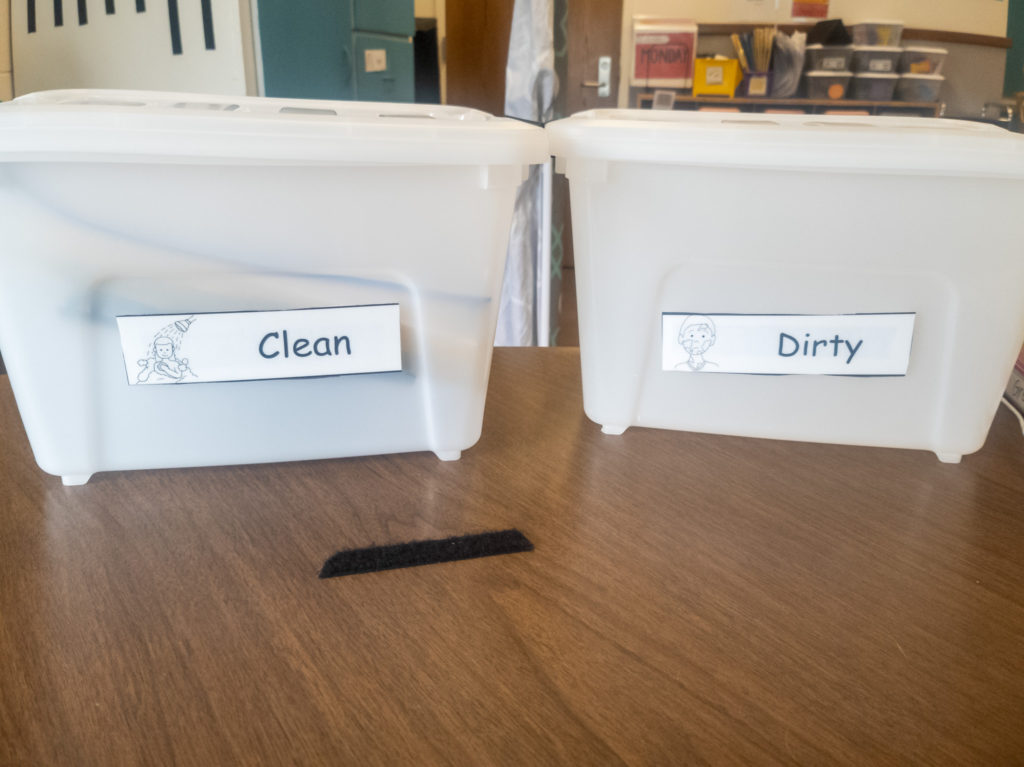
Picture of 2 white containers with lids labeled dirty and clean.
My clean and dirty bins!

How do I store the extra boxes?

There are many thoughts on this, but here is what I prefer. Simple plastic bags or the photo keeper boxes. I only keep 14 boxes out at a time, so I need to store my other items when we aren’t using them.
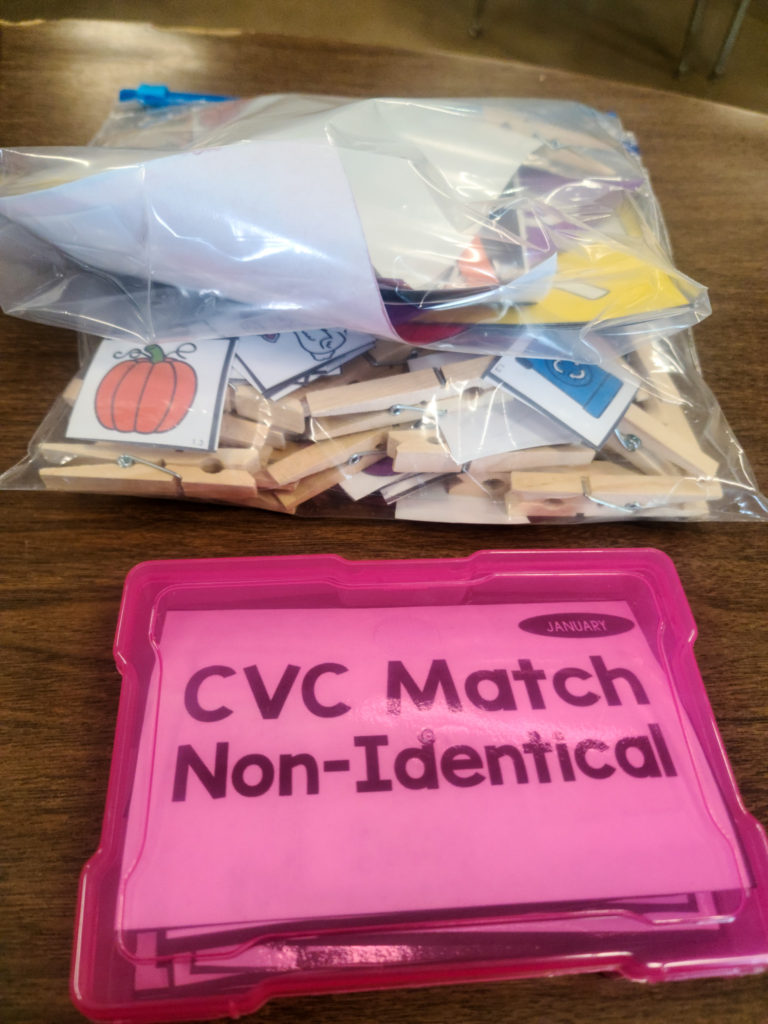
Picture of a photo keeper box and plastic baggie.
These are my 2 preferred methods.

Remember, start small. Don’t have too many work boxes out at a time. Especially when you are first teaching students the system. It can be overstimulating for the students and the teachers. Don’t assign too many. I usually assign two-three at a time. I hope you enjoyed this post on how to use task boxes in a multiple disabilities classroom. Let me know if you have any questions!

You can receive free task box materials by signing up for the Simply Free Library here.

Share
Pin


« Preference Assessments and Reinforcement Schedules
Pre-writing Skills: Where to Start »
Hi amazing teachers!
I'm Alyssa Shanahan -- a former Elementary Special Ed & Life Skills teacher. My classroom focus was always to keep things simple, increase communication, and build independence. Simply Special Ed's goal is to help teachers and students reach their full potential in and out of the classroom!

Sign up to receive exclusive tips,
free resources, and more!

Recent Posts

FBA's in Special Education

FBA’s in Special Education: What Are They and How Do You Do Them? (A Guide for Special Education Teachers)

10 Transition Tips for Special Education Classrooms

How to create a calm corner that actually get used

Setting Up Centers for Your High School Classroom

Visual Tools for Self-Contained High School

A Course that Changed the Way I Setup my Classroom

Copyright © Simply Special Ed 2026 · Design by Fancy Girl Design Studio

Copyright © 2026 · Simply Theme on Genesis Framework · WordPress · Log in

We use cookies to ensure that we give you the best experience on our website. If you continue to use this site we will assume that you are happy with it.