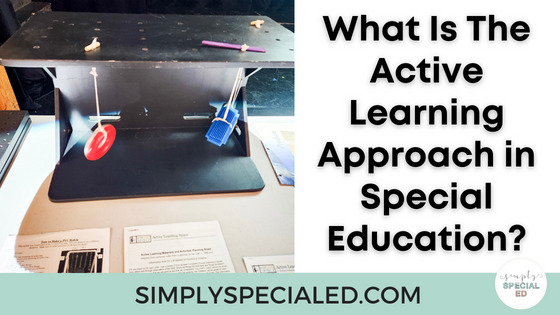
As a special education teacher, it can be challenging to provide an engaging and effective learning experience for students with significant multiple disabilities. However, with the right approach, you can help these students achieve their full potential. One approach that has proven to be highly effective is Lilli Nielsen’s Active Learning. I was very lucky to get to go to a training on Active Learning hosted by our state Deaf-Blind Project. The two day training was amazing, in this post I’m going to try and share some of what I learned with you.
What is the Active Learning Approach?
What is the Active Learning approach in special education and how did it come to be? Lilli Nielsen, a Danish educator and researcher, developed the Active Learning approach in the 1980s. This approach focuses on making students active participants in their own learning process, rather than passive recipients of information. This approach has been found to be particularly effective for special education students with significant multiple disabilities. This is very basic and you can find much more information about Lilli Nielsen and Patty Obrzut at https://activelearningspace.org/. This website also has links to how to create activities and implement them in the classroom. There are five key points that are very important to the active learning approach.
I’ll briefly discuss those below and show some examples.
5 Key Points Of The Active Learning Approach
1. Active Participation
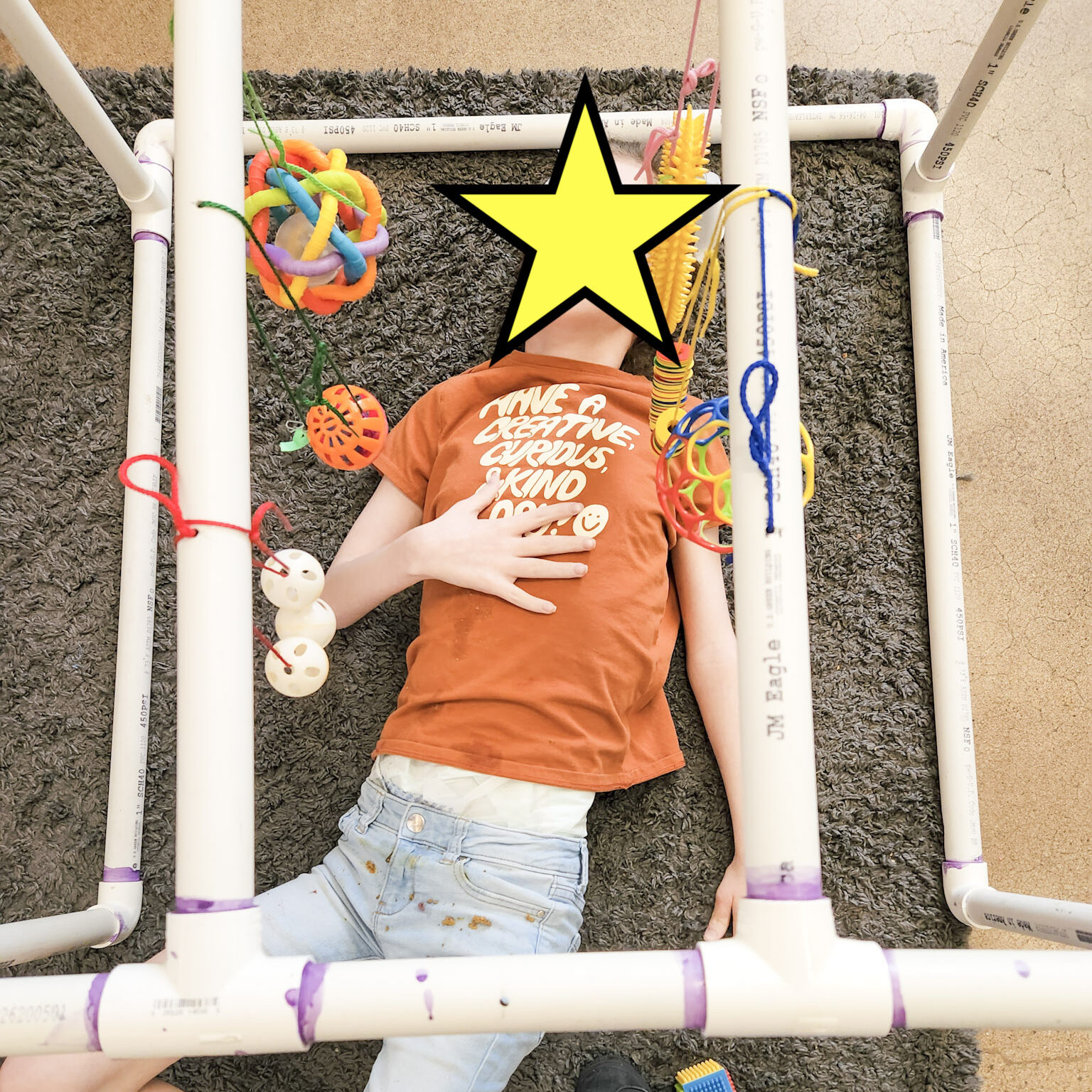
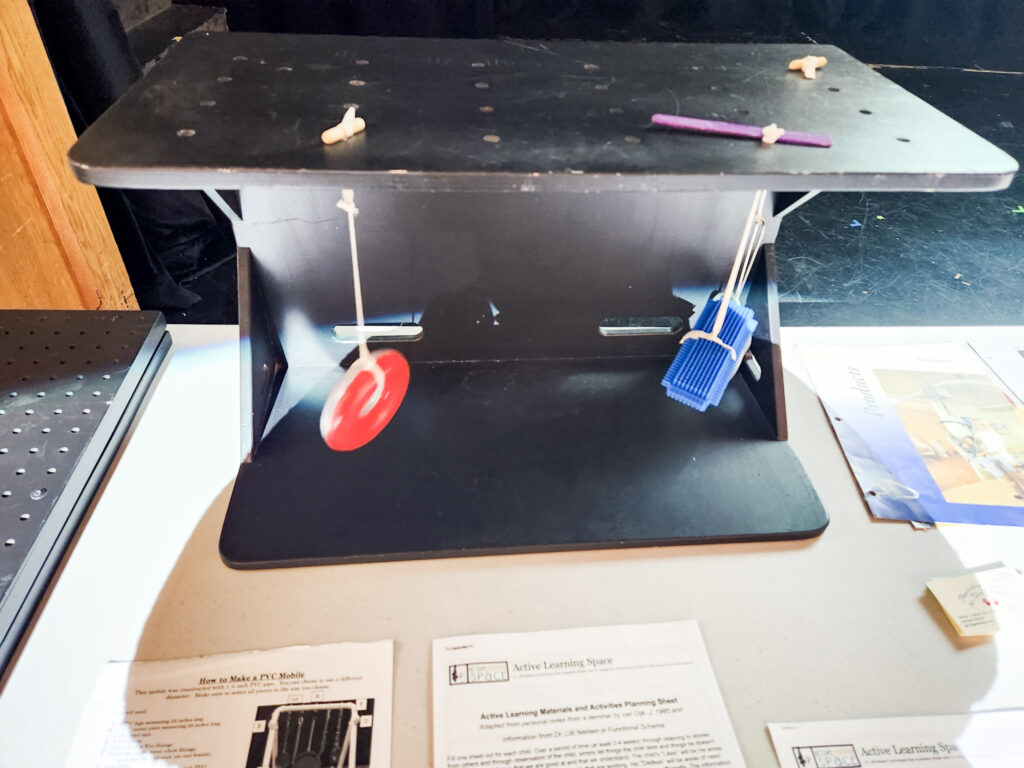
The students need to be actively participating in the activity without prompting from a teacher or other professional. You want the student to initiate interacting with the activity. Know what your student CAN do before you set up the activity. Our students often have mobility challenges. Make sure you set up the activity to be accessible for that particular student. One of the most talked about tools in the Active Learning approach is the “little room“. A constructed small box with activities hanging down for students to engage with. Here is our version:
2. Repetition of Opportunities:
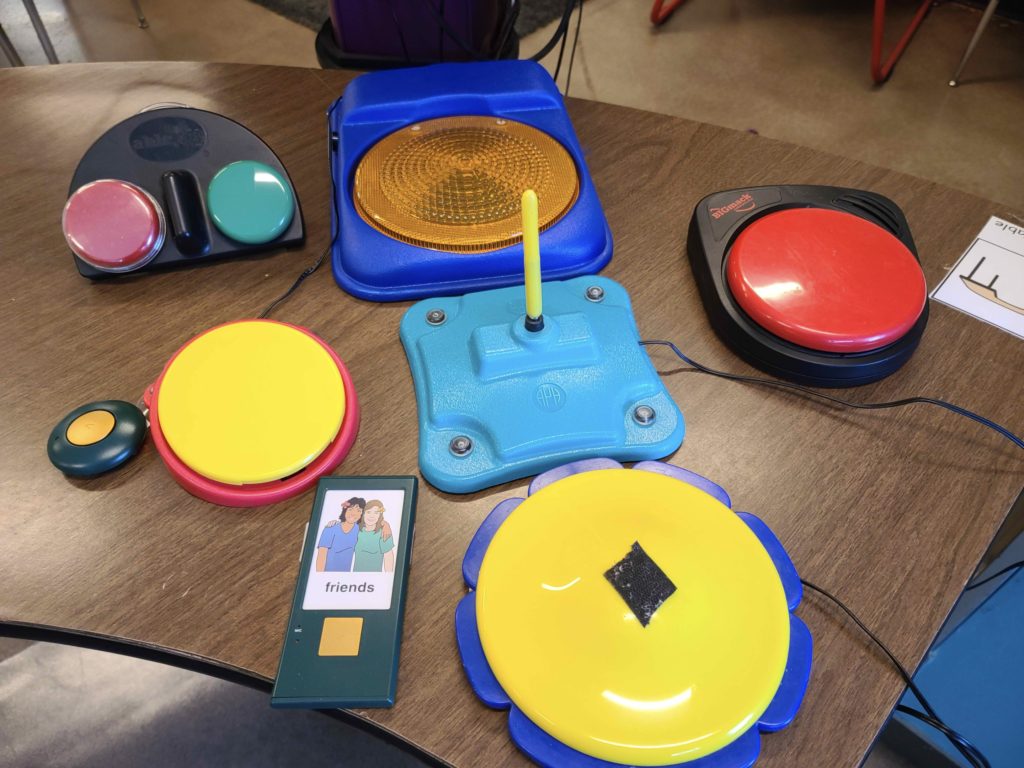
We need to make sure that we create opportunities for the student to practice skill in the activity we set up. It can take anywhere from days to months to master a skill and we need to make sure that we are letting the student do that. Remember, the student needs to initiate the movement without prompting. Playing with a professional may not be optimal initially. It’s okay for the student to take a break, sometimes it takes to process what you learn. Try to have multiple versions of the activity so the student can generalize what they are learning. One activity that is very reinforcing for one of my students are cause and effect toys. They are easy to switch up as well. She has this built into her schedule and works on learning to activate the toys (which will lead to switch communication later) everyday. Brianne actually talks about using schedules through the day here. Give this blog a try if you need help integrating this into a schedule.
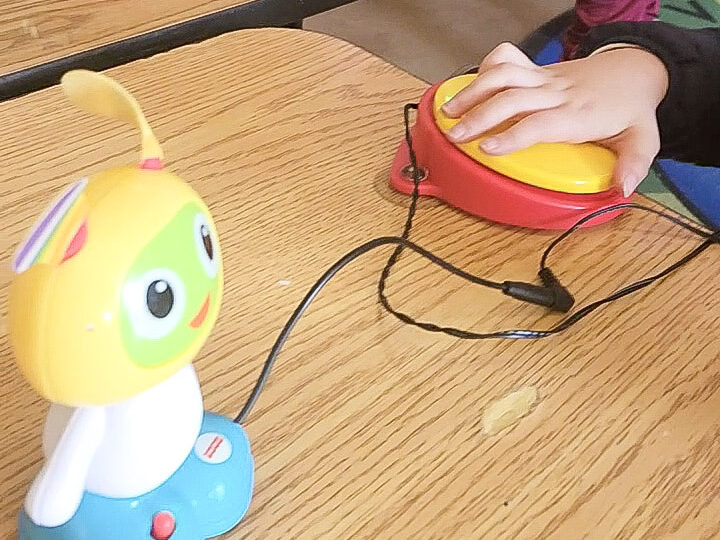
3. Developmentally Appropriate:
One of the key things to understand when using active learning is the sequence of development skill development. Meet the student where they are. Do no use “hand-over-hand” prompting. Make sure to position the activity so they can activate with their own movement.
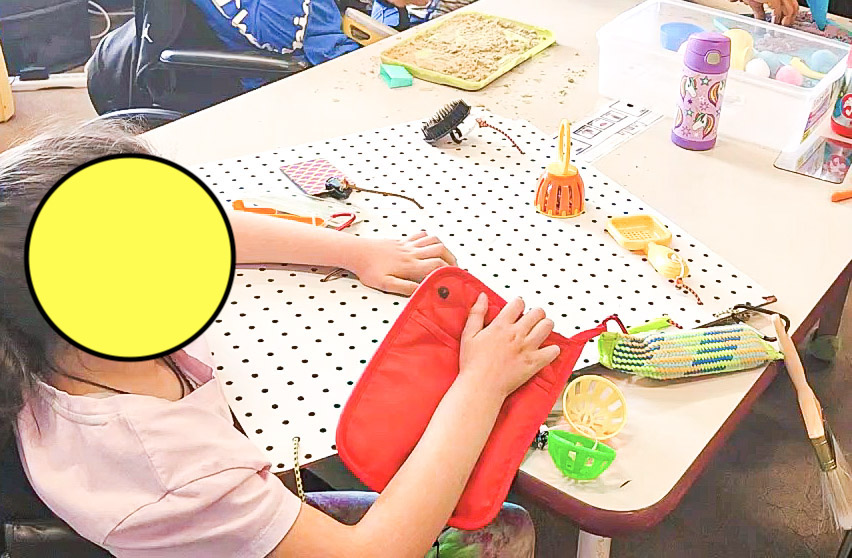
4. Reinforcing To The Student:
Use activities that the student is drawn to and that they like. Anyone is more likely to do something if it’s something they are interested in. Our students are sensorimotor learners, so we need to figure out what method (senses and movement) works best for our students. We have to use things that our students like. It’s really important to interact with your students and assess what they are interested in.
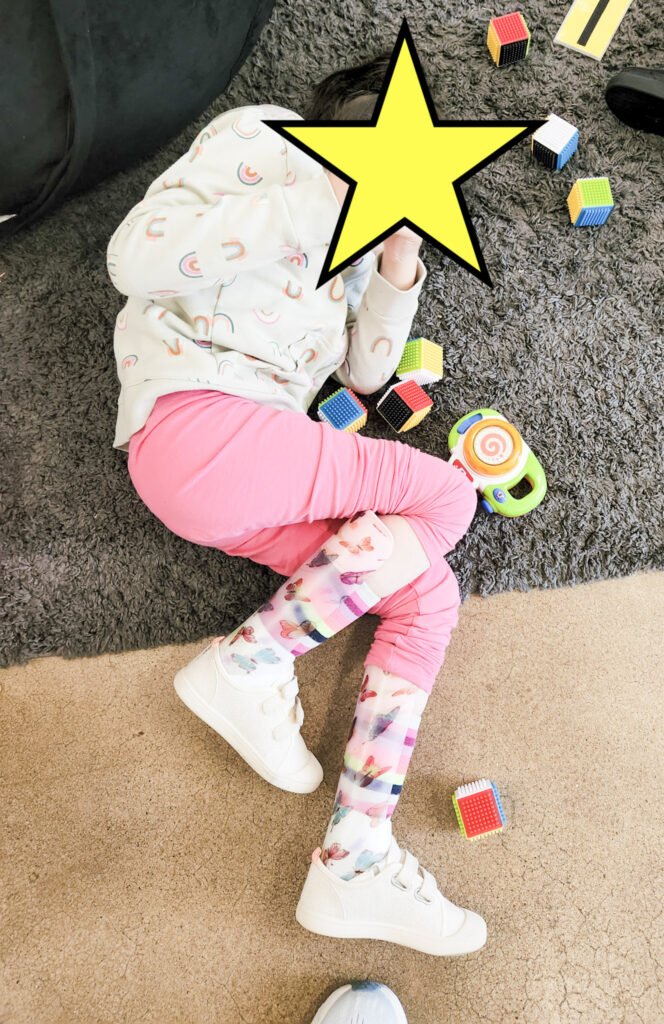
5. Limit Distractions:
Our students need to be able to focus on the activity we’ve given them. This includes things like considering if the student is hungry or thirsty before beginning the activity. This is probably the hardest thing to mitigate in a classroom. I know I have nine active busy students in a small classroom. But it is possible. We need to make sure the student’s basic needs are met first, that they are sitting in space that allows them access to their activity without being interrupted, and we can use small activities to help us achieve that. Pull out the wheelchair tray and put the students activity on their. Do the activities while they are in other equipment, like standers. Here are some examples of space saving activities. If your students thrown, don’t forget to use a clamp to secure the activity to the surface or frame.


Lilli Nielsen’s Active Learning approach can be a powerful tool for special education teachers working with students with significant multiple disabilities. By making students active participants in the learning process and providing them with accessible materials, immediate feedback, and opportunities for reflection, you can help these students achieve their full potential and make a lasting impact on their lives. I hope this helps you understand a little bit about what the active learning approach in special education is. If you use the active learning approach in your classroom, let me know how you use it and share pictures of your activities below!