• Home
  • Online Courses
    • Simple Self-Contained Setup 101®
      • Success Stories
    • Simple Centers System
    • Course Member Sign In
  • Shop Now
    • Shop Now
    • Free Resources
    • Gift Cards
    • Cart
    • Purchase Orders
    • School Licenses
    • My Account
  • Free Webinars
  • Blog
    • Academics
      • Adapted Books
      • Comprehension
      • Cooking
      • Crafts
      • ELA
      • ESY
      • Fine Motor
      • Life Skills
      • Math
      • Occupational Therapy
      • Science
      • Sensory Bins
      • Social Emotional Learning
      • Social Skills
      • Social Studies
      • Speech Therapy
      • Task Boxes
      • Vocabulary
      • Writing
    • At Home Learning
      • Digital
      • Remote Learning
    • Behavior
      • ABA
      • Communication
        • AAC
      • Data
      • Schedules
      • Visuals
    • Simple Classroom
      • Back to School
      • Book Recommendations
      • Classroom Setup
      • Freebies
      • IEP
      • Inclusion
      • Inspiration
      • Organization
      • Paraprofessional
      • Remote Learning
      • Seasonal
        • Fall
        • Winter
        • Spring
        • Summer
    • Tot School
  • Classroom Tours
    • Self-Contained
    • Speech
    • Preschool
    • Elementary Autistic Support
    • K-2
    • K-2 (Socially Distanced)
    • K-4 (Tiny Room)
    • 1-4 (Life Skills)
    • 2-3 (ABA)
    • Middle School
    • High School
    • High School (Life Skills)
    • Multiple Disabilities
  • New Teachers
    • Join My Online Course
    • First Year
    • Interviews
    • Job Search
  • Grade Level
    • Preschool
    • Primary
    • Elementary
    • Middle School
    • High School
  • More…
    • Meet Alyssa
    • Meet Our Bloggers
    • Collaborate
    • Guest Blogging
    • Contact Me
    • Disclosures
    • Facebook
    • Instagram
    • Pinterest

Simply Special Ed

Resource Downloads & Teaching Advice

Behavior Blog

Calming Activities for Sensory Seekers

What is Sensory Seeking?
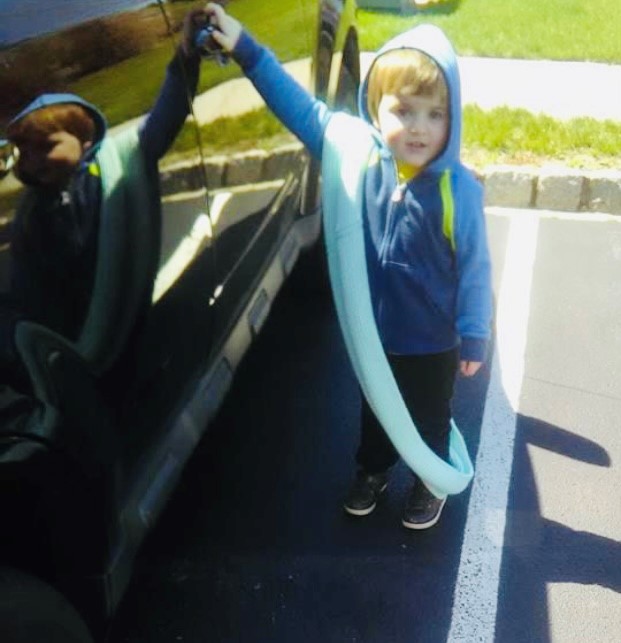
Photo of a young boy standing next to a black car on a sunny day. The boy is wearing long pants, a hoodie with the hood up, and a long, light blue scarf is draped over his body.
Sensory seeking children may dress in layers to satisfy a tactile input need.

I have a favorite picture of my son from when he was about four years old. It was taken in June, but he is dressed in long pants and a hoodie, with a fuzzy scarf around his neck. The caption I posted on social media said, “This is how a sensory seeker dresses on a warm day!” My son has always sought out sensory input. When he was a baby, he would only fall asleep if he was tightly swaddled. When he got older, he ran everywhere, never walked. He loves messy play. And he enjoys having blankets wrapped around him, and wearing soft scarves to rub his hands over.

Simply put, a child who is a sensory seeker looks for extra input, and needs more sensory input in order to regulate their system. You may notice that sensory seekers display behaviors such as jumping, running, bumping into people or objects, chewing on nonfood items, seeking tight hugs, and frequently touching things.

A young girl with brown hair lies on her back on a bright pink yoga ball.
Sensory seekers are often full of energy, and always seeking extra bodily input.

To learn more, check out Allison’s fabulous post that teaches all about sensory seeking! In addition, the book “Raising a Sensory Smart Child” (affiliate link) really helped me to understand my son and my sensory-seeking students.

Calming Activities for Sensory Seekers

Incorporating activities for sensory-seeking students into the school day can help them to regulate their systems and prepare for work demands. There are many calming touch activities that can be used for sensory seekers. However, I try to avoid touching and squeezing activities with my students (other than hugs and high fives). Here are some non-contact ways for sensory seekers to regulate and calm during the school day.

Sensory Bins
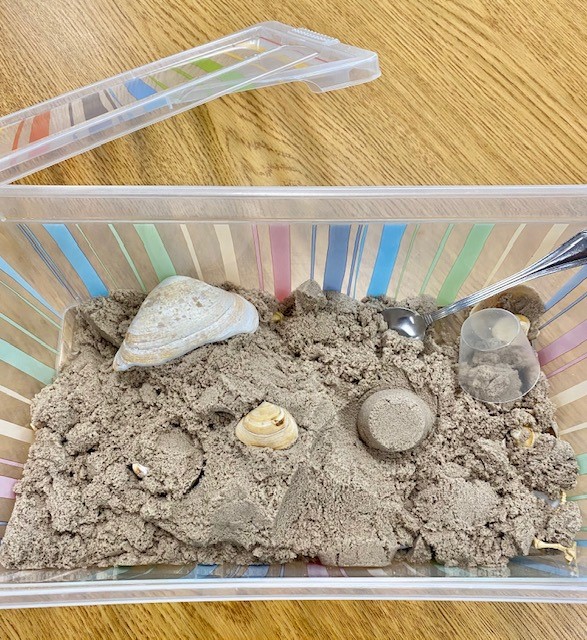
A plastic bin on a wooden table, with tan-colored kinetic sand and seashells in it.
Sensory bins with kinetic sand or other materials are a calming activity for sensory seekers.

Activities made with materials such as dry rice, dried beans or seeds, raffia, or kinetic sand (affiliate link) are a fun way for students to engage their senses. The feeling of the materials and the repetitive actions of scooping and dropping sensory items provides a calming sensation to the system. These sensory visual recipes are a great way to get students involved in making their own calming activities!

Yoga Balls

A classroom area with a blue rug, bookshelf, bean bags, and yoga balls.
Yoga balls can provide sensory input in a variety of ways.

The yoga ball is a great tool for the classroom! Bouncing on the ball provides proprioceptive input for the muscles and joints. If a student is able to balance on a yoga ball during work periods, they can help a student focus by allowing them to bounce and as needed for input.

Another way to utilize a yoga ball for sensory engagement is by having the student lie across the ball and roll back and forth for vestibular input.

Heavy Work
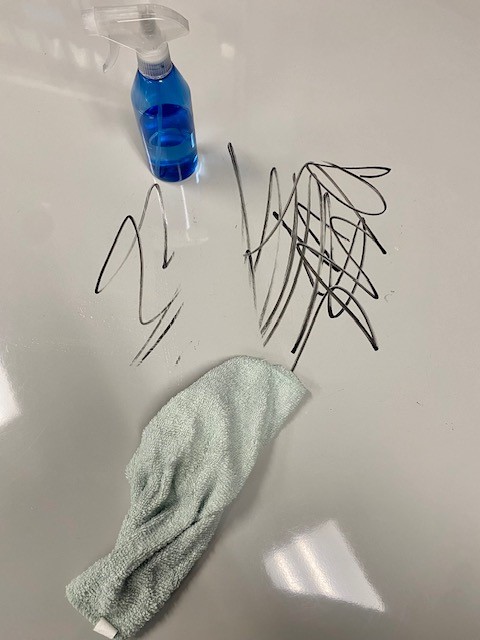
A white dry erase table with black marker marks is shown. There is a blue spray bottle and a light blue towel on the table.
Cleaning tables or boards is a heavy work activity that provides calming input.

Heavy work activities are tasks that involve pushing and pulling on the body. They provide proprioceptive input to the muscles and joints, which gives a calming sensation to sensory seekers. Some examples of heavy work are cleaning tables or the board, pushing toys or carts, rolling chairs across the room, and carrying items from place to place.

Swings
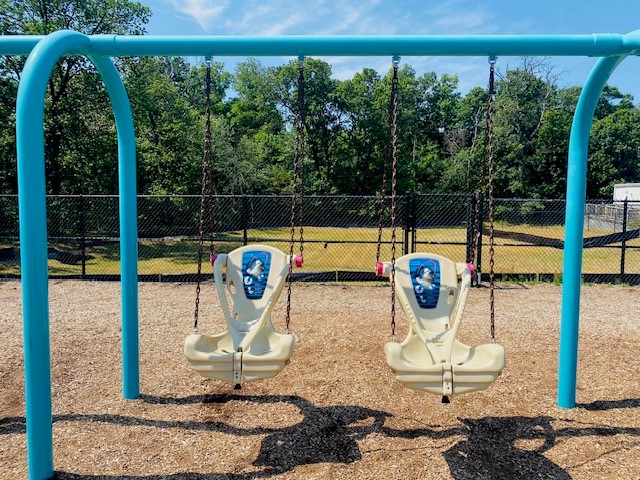
Two swings on a swing set are shown on an outdoor playground.
Swinging provides a calming back-and-forth motion for sensory seekers.

Swinging is one of the most common calming activities for our special education students. Some students would spend all day on the swings if they had the chance! The back and forth motion of the swing provides calming vestibular input to students. Also, pushing someone on the swings is another way to provide input!

Following Directions Games
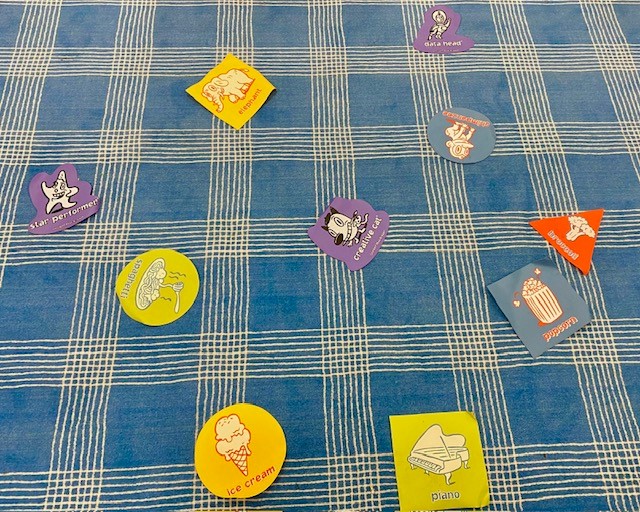
A blue and white carpet with colorful shapes on it. The shapes have symbols from the game "Hullaballoo" such as piano, ice cream, and popcorn.
Hullabaloo is a fun game that gives students to gain proprioceptive input.

My students love the game Cranium Hullaballoo! (affiliate link) It is a following directions game, where players have to move in certain ways to different pads For example, they may need to crawl to a red pad, hop to an animal, or tip-toe to a food. This is a great activity because it is fun, but it also cultivates following directions and Similarly, playing games that require following directions, like freeze dance or Red Light Green Light, can help students to develop their focus while also providing them with sensory input.

Including these calming activities during the school day can be helpful. Doing an activity before starting a work period can help students regulate so they can focus during work time. These sensory visuals are another helpful tool that can help students advocate for their ends.

What kinds of calming activities do you incorporate during the school day? Leave a comment with your ideas!


Related Posts:

  • Sensory Seekers Key Photo
    How to Support Sensory Seekers
  • Screenshot
    5 Scooter Board Activities
  • Screenshot
    5 Yoga Ball Activities
Share
Pin


« Toys for Speech Development
Gifts Ideas for Paraprofessionals »
Hi amazing teachers!
I'm Alyssa Shanahan -- a former Elementary Special Ed & Life Skills teacher. My classroom focus was always to keep things simple, increase communication, and build independence. Simply Special Ed's goal is to help teachers and students reach their full potential in and out of the classroom!

Sign up to receive exclusive tips,
free resources, and more!

Recent Posts

Essential Sensory Supports for Self-Contained Classrooms

How to Create and Use Book Companions to Meet IEP Goals

Behavior Friendly Center Activities for Special Education

How to Make ESY Planning Simple

New to Teaching ESY? Read This First!

7 Systems Every Self-Contained Classroom Needs

Copyright © Simply Special Ed 2026 · Design by Fancy Girl Design Studio

Copyright © 2026 · Simply Theme on Genesis Framework · WordPress · Log in