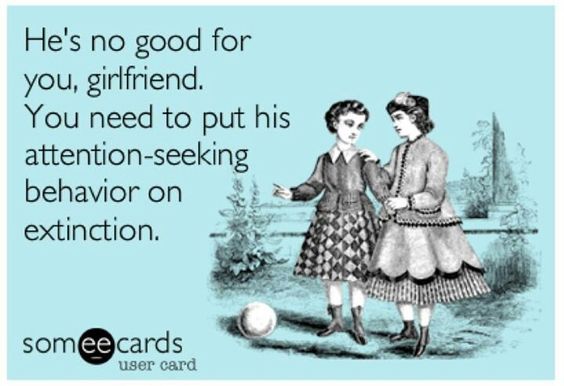
ABA is controversial. If you have been online in special education or disability communities, you may have seen some of the conversation that has been developing around this topic.
I want to stand by the autistic community while still doing my job. I value the voices I am hearing and never want to stifle the lived experiences of autistic advocates. But, I practice ABA and am finishing the journey of becoming a BCBA. I see the ways that ABA positively impacts my students on a daily basis and truly believe in the efficacy of ABA as a science.
How can I be both an autism advocate and a BCBA? Well, some may say I can’t and I respect that.
Just like everything else, ABA is NOT “one size fits all” and definitely isn’t right for all individuals. But, behavior analysis is everywhere. As you become familiar with the principles of behavior analysis, you may start to see it. There are also plenty of behavior analytic terms and methods that are used in general ed/inclusion/self-contained settings but given a new name (ex: PBIS is just a group contingency!)
Below you will find what I do as an ABA practitioner to ensure my students are treated with respect and dignity.
Build Rapport
This may sound like common sense, but rapport is critical in order to show your students respect. Get to know your students on a personal level. Learn what their favorite things are and what their least favorite things are. Allow your students the freedom to explore their interests while teaching them the lessons that they need to know. Regardless of your students’ cognitive abilities, speak to them with kindness, patience and the assumption that they are capable of learning.

Many individuals with autism also have special interests. The article linked speaks about the benefits of adding your students’ special interests into your classroom instruction.
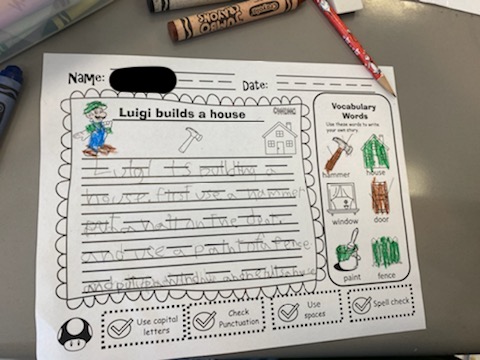
By learning what your students interests are, you can build them into instruction. This way, you are not only teaching the skills the student needs to know, but you are getting their attention and allowing them to engage in materials that are interesting to them. This could be as simple as using the student’s name in a word problem, putting a favorite character sticker at the top of a page or creating specialized worksheets to allow the student to use their special interest as the topic of their work.
Allow Your Students to Be Themselves
When ABA practitioners use differential reinforcement to change behaviors, it is critical to evaluate if the behavior is truly negatively impacting the autistic individual. The ONLY time a behavior change program should be implemented is if it is negatively impacting the quality of life for the person exhibiting it.
We cannot change behaviors just because they are inconvenient or unwanted by neurotypical people. Forcing eye contact, limiting self-stimulatory or repetitive behaviors and changing functional verbal scripts are examples of these kinds of behaviors. Motor stereotypy (stereotypical repetitive body movement) is one of the most common “behavior change program”, but in my opinion, it shouldn’t be.
Notice that many of the mentioned behaviors are characteristically “autistic” behaviors. There is a belief that ABA is trying to “normalize” autistic individuals. This is NOT a part of ABA’s philosophy. These behaviors are often the most noticeable, and therefore easiest to take data on. Convenience should NOT be the rationale for a behavior change program.
Understanding Reinforcement
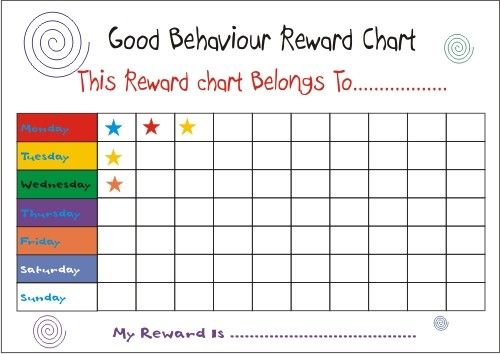
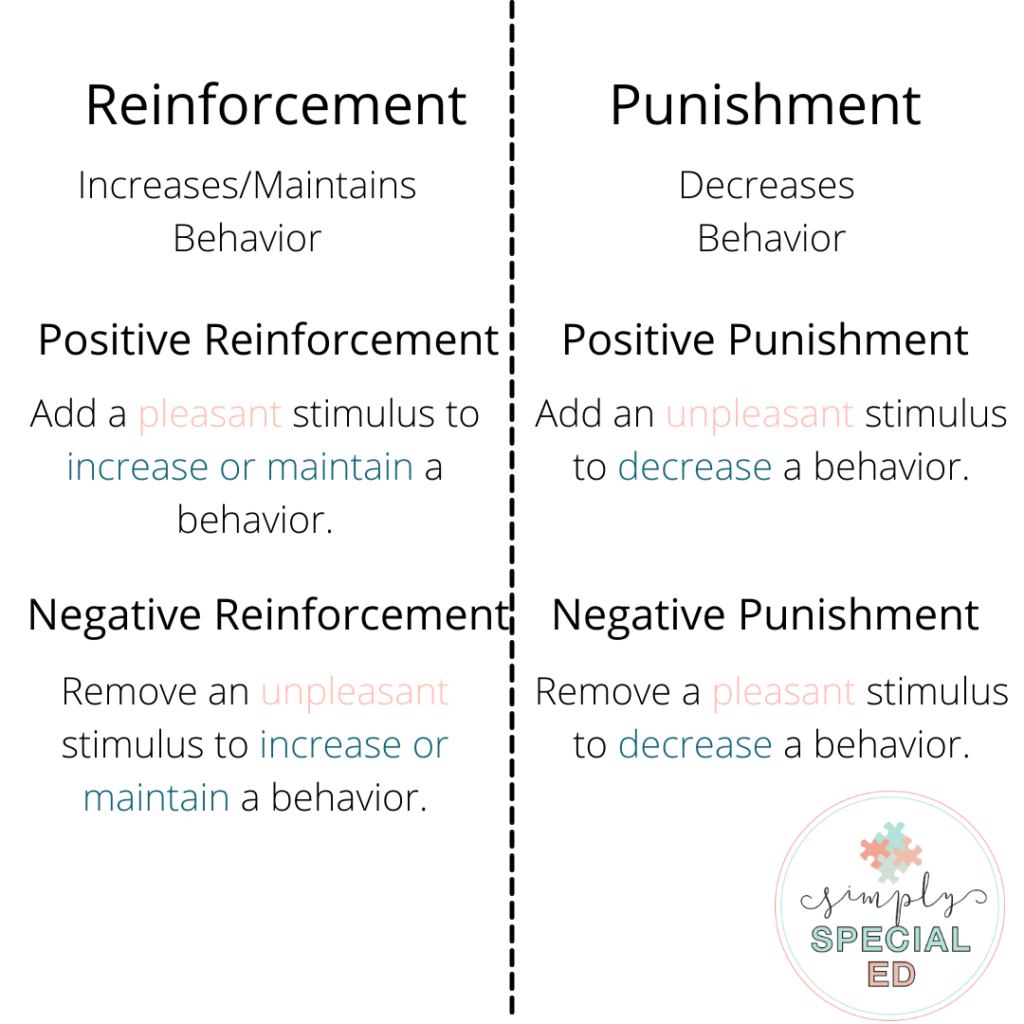
If you have not read my post about reinforcement and preference assessments, read that here! In ABA, reinforcers are defined as stimuli that when added or removed result in a desired effect. Knowing how to implement these procedures are critical in order to be an effective ABA practitioner.
Intrinsic Motivation
Intrinsic motivation to complete academic tasks/non-preferred tasks usually takes time to develop. Through pairing, you can introduce a reinforcing object (this is the motivating operation) with a praise statement (conditioned motivating operation) identifying the feeling that you want your student to relate to what they are feeling. Something like “You should be so proud of yourself!” takes the emotions/feelings away from the teacher and gives it to the student to identify with. Eventually you may be able to fade the tangible reinforcer.
“What are you working for?”
That being said, extrinsic reinforcement contingencies are everywhere. When teachers go to work, they get paid. Because we get a paycheck for completing our responsibilities, this is a positive reinforcement contingency. So if tangible reinforcers are necessary, there is really nothing wrong with that. If you are going to utilize extrinsic reinforcers, be sure to set appropriate contingencies so that the student isn’t learning to be reliant on it.
Expectations must be explicit and clear. Reinforcer size should be comparable to the size of the task. For example, unpacking a backpack and writing a paragraph should not both earn 5 minutes on the iPad. Also, reinforcers do not have to be physical. Verbal praise is a great option for most students and tasks.
Understanding Punishment
According to the principles of behavior analysis, punishers are stimuli that when added or removed from the environment result in an undesired effect.
This is super important to remember. In behavior analysis, punishment is not punitive. Punishment does not mean removing a child from the classroom or putting them in a time out. It also does not occur as a result of negative behavior.
The connotation of punishment is harsh, cruel and belittling. A child should never experience this in the classroom. This is where individuals experience harmful or traumatic events and/or where people are dehumanized. This is never the goal of a behavior analyst.
If punishment occurs in the classroom it is because it is occurring naturally as a part of a contingency. For example, a student is doing an art project with glue (antecedent). The student decides to put the glue stick in his/her mouth (behavior) and realizes how bad the glue tastes (consequence). In this example, the punisher is the bad taste of the glue that teaches the student not to eat glue again.
Celebrate Your Students
Whether you are a BCBA, a special ed teacher, a RBT, a TA, a para, a SLP an OT, PT or counselor, if your are working with this population of students, it’s likely because you love the work you do and the individuals you get the work with. The unique traits of autistic individuals are what make them who they are. We should never try to change or stifle that.
If something in your classroom isn’t working, think about how you can change the environment to best meet their needs. Ensure your space is welcoming and accessible to all of the students who walk into your door. Ultimately, the love and respect you pour into your students will return to in the form of growth and success.
Educate yourself on diverse views of autism and the autism community. I have linked some of my favorite accounts below.
@theautismcafe – I linked her blog, but she is on Instagram, Facebook and Twitter as well.
Fathering Autism – Facebook is linked but they are also on Youtube!
@johnelderrobison – Instagram is linked, but I encourage you to look into Robison’s book “Look Me In The Eyes”.
The Mighty Article: This article includes 14 of the most popular #ActuallyAutistic Instagram Advocates
This is by no means an all encompassing list and there are definitely lots of different opinions here. Educate yourself and decide for yourself how you want to celebrate the autistic individuals in your life.
How else do you celebrate your students? Leave a comment and let me know!