
Have you heard the old saying “variety is the spice of life?” Although change can be scary, I do believe this is true! One area where I’ve seen variety work FOR me rather than against me is the area of classroom flow and schedule. While it is so important for our students to stick to a schedule, that doesn’t mean your schedule has to only include one style of instruction. Read below to see how to use centers in your self-contained classroom, and break up the same old same old!
How To Group Students
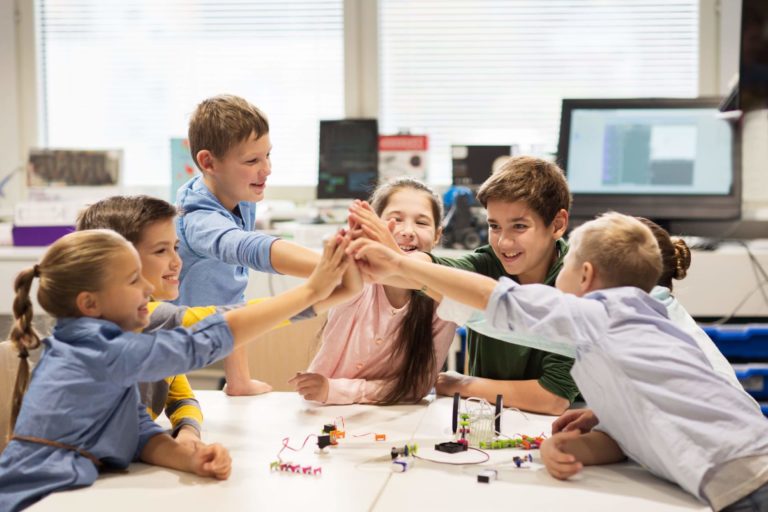
Grouping students in centers can be a challenge! You want to ensure that everyone is getting the most out of centers as possible, so the first job is separate the distractions. Both the students and you will be so thankful! After that, consider the standard you’re working on. In my classroom, we teach from the extended standards which has different levels of intensity A-C. I tend to group students working on the same level for that standard in the same group. This helps to streamline materials and provide students with consistent supports.
Finally, and most importantly, I believe it’s wise to switch out groups of students and the center leaders. In my classroom, every adult works with every student. This helps prevent burn out and increases the feeling of togetherness and community amongst us! The adults who work alongside me are great at leading centers. I want all of my students to experience that magic from each of them! Centers is the perfect time for that.
How To Set Up Centers For Success

In my classroom, centers reinforce what we learned as a whole group, as well as receive individualized academic attention. My school day follows the pattern of whole group instruction, centers, and then reward time. I follow this pattern with all the major subjects in the beginning of our day, and then after lunch is our vocational and life skills practice. Each day, I prepare either a small activity or a worksheet for students to complete with their center leader.
The goal here is to reinforce the whole group lesson, so it may look like re-reading a news article we dove in together and answering questions. For some students, it may look like an extension of what was already covered, inviting them to dig deeper. The center work they complete is the majority of what I grade. It’s the truest reflection of their ability to grasp the lesson they just participated in. After centers (no more than 15 minutes), the students get to enjoy the reward they have been working toward.
How To Take Data

Centers are a great time to take data! You’ll want to ensure that yourself and your aides leading the centers are all armed with data sheets/binders on each student so you can accurately reflect the great learning taking place!
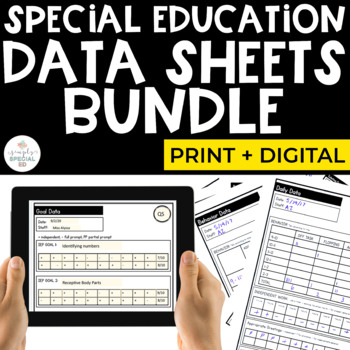
The way I like to do it is have the students complete the center assignment as independently as possible in order to get a clear reflection of what they know. Then, once data has been taken, the center leader will review the assignment with the student and clear up any areas of confusion or questions they missed. I then take the raw data to combine as part of their grade or IEP goals. If you need a great way to track data, be sure to grab these data sheets (both print and electronic versions available!)
How To Handle Challenges in Centers
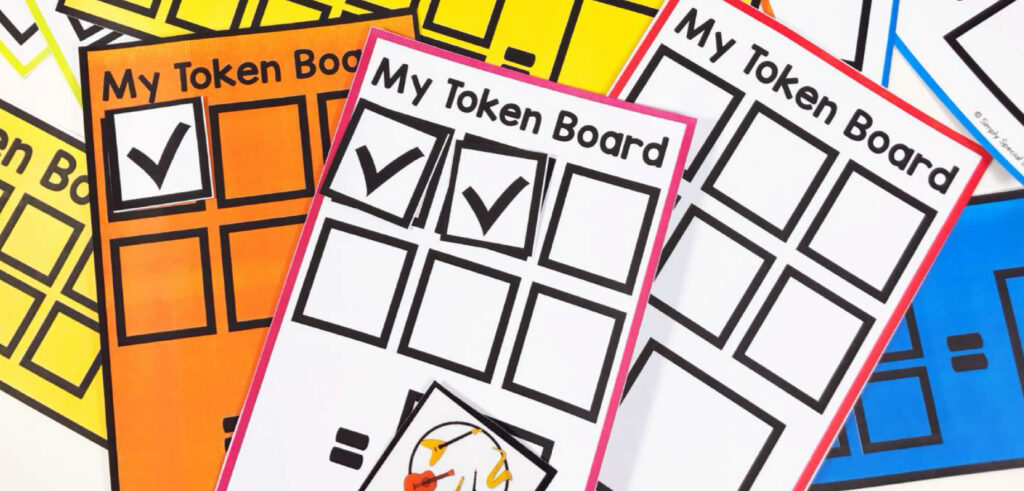
Of course, implementing centers can have some challenges. Sometimes students struggle with transition, or the more individualized attention can cause some anxiety. This is where the reinforcement of their chosen reward choice comes in handy. During centers, students are earning tokens toward their reward choice. Any time they present as focused and working on the assignment, I place a token on their chart. The goal for them would be to reach their final token by the end of the center. Reward Time starts on a set schedule- so if they haven’t earned all their tokens by that time then they miss out on the first part of their reward. You’ll be shocked to see how quickly they can focus when students realize they only have two minutes left and four more tokens to earn! Need a token board that’s print and go? Grab it here!
Centers also provide great opportunities for individualized attention, so if the center leader notices a student experiencing a challenge they can address it quickly and privately. Finally, you’ll want to do as much preventative work as you can to circumvent potential challenges. Be sure to update the student’s schedules to include centers, or write a social story about how centers will go. At the beginning of the year, we maintain the same structure of whole group lesson, centers, and reward time but just with activities that are not so academically challenging. This allows us to get in the routine in a way that isn’t so high stakes. Practice makes perfect!
In Closing…
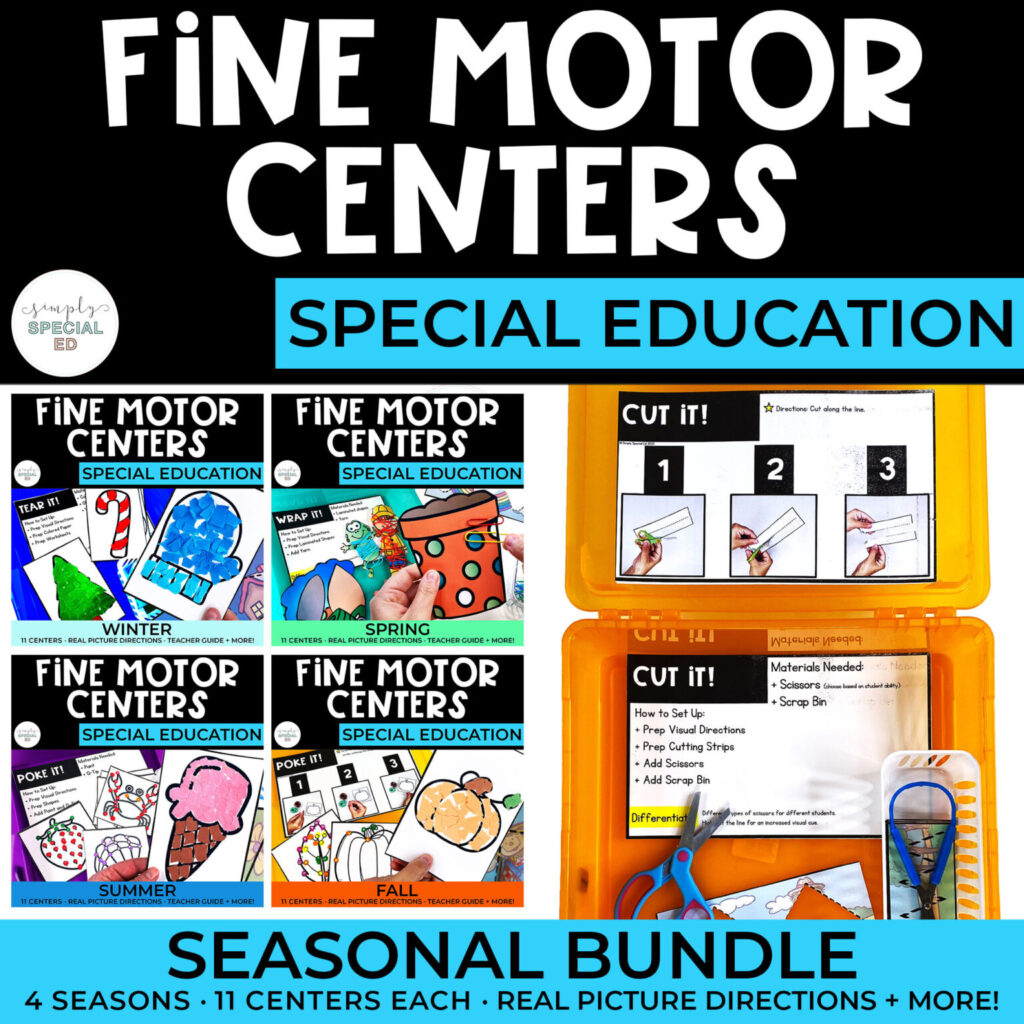
The addition of centers into your classroom is a very worthwhile investment! Increasing individualized attention, creating a stronger sense of community in your classroom, and having the students take ownership over their own learning- what’s not to love? For more amazing center ideas, be sure to check out the Simply Special Ed Shop- especially this amazing bundle of fine motor centers!



Want to learn more about Centers? Get on the waitlist for The Simple Centers System and be the first to know when enrollment opens! 🎉 This course is designed specifically for special education teachers looking to set up, organize, and run stress-free centers that support student independence and success. You’ll get step-by-step guidance, tons of ready-to-use resources, and strategies to create a streamlined system that works for you. Don’t miss out—sign up now and get exclusive bonuses, early access, and a special discount when the doors open!