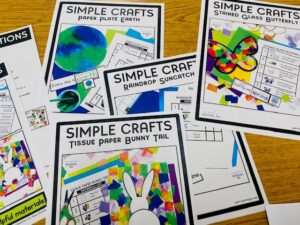
When February rolls around in a Special Education classroom, it brings a small shift in energy. Even in the dreary winter months, there are plenty of fun and creative themes to focus on. In a special education classroom, though, February crafts often serve a bigger purpose. These crafts support fine motor development, sequencing, independence, and confidence in a way that’s structured but enjoyable. This month, I used the Simple Crafts for February from Simply Special Ed, and it ended up being a simple, visual, and genuinely fun way to incorporate seasonal learning for my resource room students. If you’re searching for fun seasonal crafts for Special Education that include visuals, this one checks all the boxes. Here’s some more information on my classroom dynamics if you’d like to see how I run my resource classroom.
Why This Craft Works Well for Special Education

One of the main challenges with making cute crafts with special education students is making sure they can actually participate independently. This resource uses visual supports in a way that feels natural instead of overwhelming, and is familiar to students. Some things that stood out during this craft were the visual directions with step-by-step picture cues, a clear materials checklist, manageable pieces, a predictable structure, and fine motor practice. All of these components help special education students have accessibility when completing their craft.
Visual Materials Examples


The materials checklist gives students a clear picture of what they need before starting. This is useful for independence and reducing repeated questions during the activity. The picture directions make this an awesome option for struggling readers and students who benefit from visuals when sequencing.
Here’s an example!

Check out this versatile sentence strip to add to this creative craft!
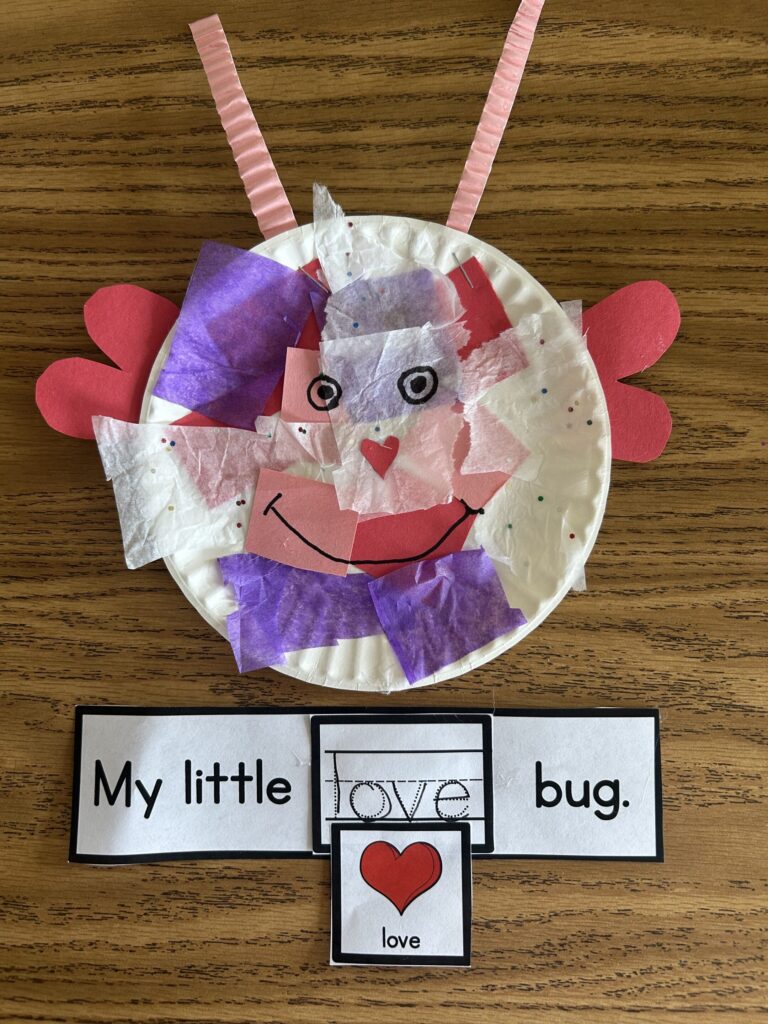
Students enjoyed choosing their colors and seeing their love-bugs come together in a way that still felt individualized. Students choose their own materials that are similar to the ones in the visual checklist. One student even wanted to help prepare the materials, which fostered a beneficial level of independence.

The Role of Visual Checklists in Special Education Crafts
One of the most helpful parts of this resource is the visual checklist. It supports core skills that students need to know, but struggle with in the special education classroom. This includes knowing which materials to collect, understanding the set up process, reducing reliance on verbal prompts, encouraging independent task initiation and building a sense of responsibility. Because everything appears in picture form, students don’t have to wait for adult clarification and support. They can look at the visual, gather the glue or scissors, and move forward on their own. It may seem small, but this is a huge step towards independence.
How Students Responded

My students loved completing the paper plate love bug craft. We changed up the materials just a little bit, based on what we already had in the classroom. I was nervous at first that they would be confused with the materials, which looked slightly different from the checklist, but they did a wonderful job with it! I gave my students different options, like substituting googly eyes with their own drawings of eyes, and they loved being given the creative choice. Students were engaged during this craft, also. Students knew what was coming next and used the visual checklist confidently. They actually loved completing this craft independently and enjoyed taking the lead. They showed their classmates when they were finished and were so proud of their creations! I loved seeing them following the steps independently with less prompting and support needed from adults. It really was a great opportunity to watch!
A Good Fit for February

If you’re planning out February activities for your special education class and want something structured, visual, and student-friendly, these crafts are a perfect option. It also adapts well to a wide range of learners, whether they’re practicing sequencing, visual processing, fine motor skills, or social interaction when sharing their finished craft with classmates. If you like this resource, here’s another Valentine’s day activity you can do! And if you’re planning ahead, here are some cute ideas for St. Patrick’s Day!