Starting your first week in a self-contained elementary classroom can feel both exhilarating and overwhelming. It is the beginning of an incredible journey with your students. Here’s how those pivotal first five days might look to set the stage for a successful school year.
Day 1: Setting the Foundation
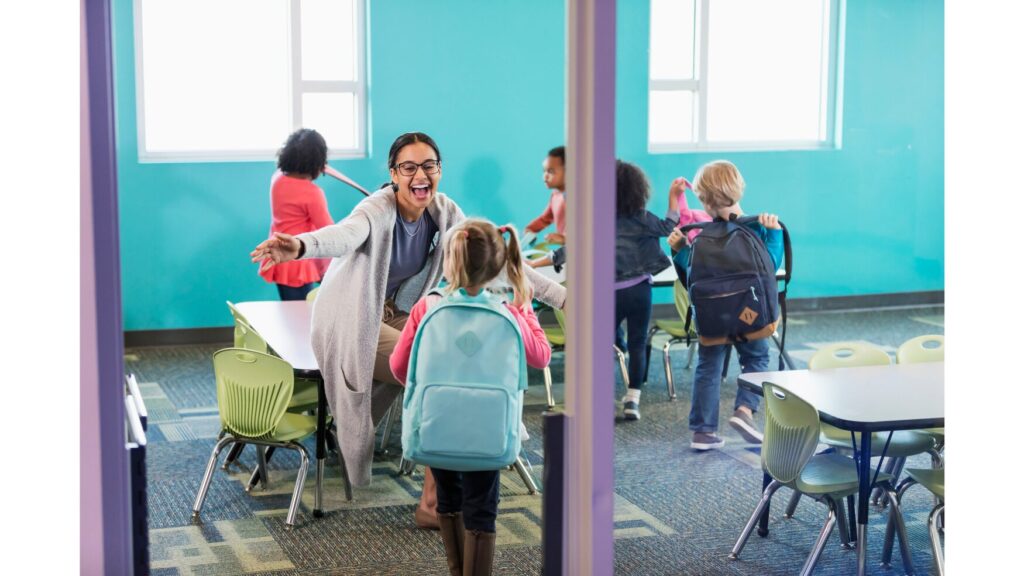
Your first week begins with the most crucial day of all. Focus on creating a welcoming environment and establishing your classroom community. Start with a calm morning routine: greeting each student individually at the door, showing them their designated space, and walking through the day’s visual schedule.
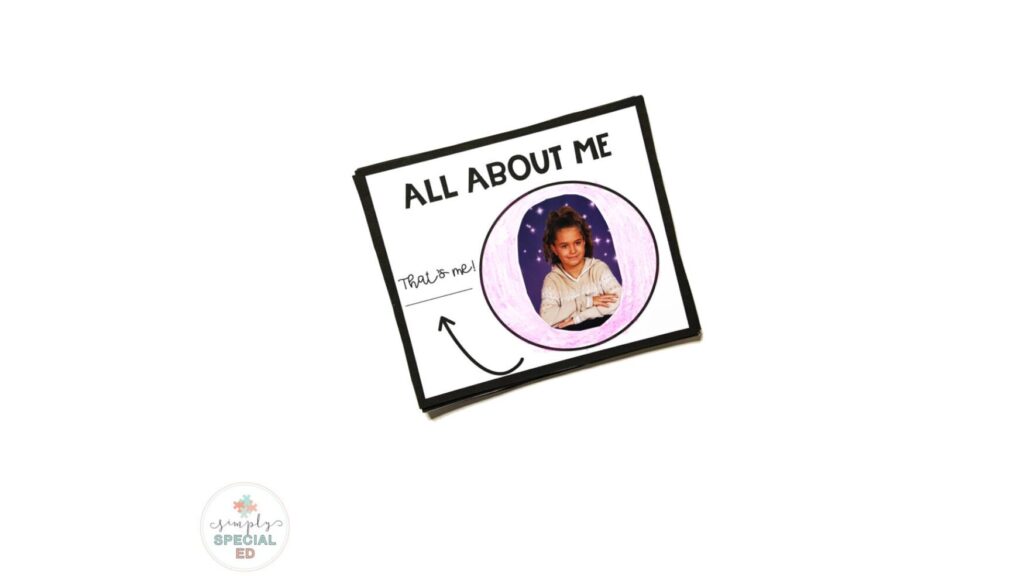
Establish essential routines like classroom entry procedures, backpack storage, and attention signals. Keep academics light with simple “getting to know you” activities that serve as informal assessments. Building rapport is essential since you’ll be with these students all year long. Read more about getting to know your students here.
Keep in mind that students in your self-contained elementary classroom may benefit from task analysis of simple tasks. Break down routines into smaller steps and provide ample repetition opportunities. Your students may require more repetition to internalize routines, but once established, these systems become their foundation for success.

Day 2: Building Trust
Day two focuses on helping students navigate the multiple transitions they will face daily. Students in self-contained classrooms often struggle with change and need extra support moving between activities. Use visual cues, timers, and consistent language to signal transitions.
Practice moving between different areas and activities with plenty of advance warning. Consider your students’ sensory processing or spatial awareness needs and establish clear pathways and designated spots. Build rapport by acknowledging their efforts and celebrating small successes. When students trust that transitions will be predictable and supported, their anxiety decreases significantly.

Day 3: Communication and Emotional Regulation
Day 3 is all about establishing communication systems that meet diverse needs and teaching emotional regulation skills rather than focusing on behavior compliance.
Your self-contained students may have language processing differences or social communication challenges. Teach and honor multiple ways to communicate needs: verbal requests, speech-generating devices, hand signals, picture cards, or written notes. This gives every student a way to communicate successfully.
Establish your behavior support system with a focus on teaching rather than punishing. Self-contained students often have difficulty with emotional regulation and may need explicit instruction in coping strategies. Introduce calm-down areas, breathing techniques, and problem-solving steps. The goal is to build replacement skills, not to force compliance.

Day 4: Scaffolding Independence
On day 4, we focus on building independence through structured support. It is our job to create systems that set students up for success. Establish clear procedures for getting help, turning in work, and managing materials that accommodate different learning needs and processing speeds.
Create individualized success goals and visual reminders. Some students may need modified expectations or alternative ways to demonstrate learning. Build in frequent opportunities for positive reinforcement and celebrate effort over perfection. These students need to experience success to develop the confidence necessary for continued growth.
Day 5: Celebrating Success and Looking Ahead
You have spent the past 4 days solidifying your classroom community. The final day of the first week should be all about celebrating progress. Acknowledge how far students have come in learning routines and building community.
Review the week with students—what’s working well? What needs adjustment? End by previewing exciting learning adventures ahead to build anticipation for continued growth.
Moving Forward
Your first week in self-contained elementary sets the stage for everything that follows. Strong routines, emotional safety, and genuine relationships aren’t just classroom management tools—they’re therapeutic interventions that help your students believe in themselves and succeed.
Remember that progress may look different for each student. Flexibility is key to success in a self-contained classroom. The first week in self-contained elementary is all about meeting each student where they are and building the scaffolding they need to grow. When students feel safe, supported, and valued, they can focus their energy on learning instead of just surviving the school day.