
Puberty typically begins between ages 9-14. Students with disabilities, like their peers, are subject to all the physical, emotional, and hormonal changes that accompany puberty.
As these young adults navigate a crucial period of change, how can we support them in the classroom?
Strong emotions, strong reactions
Several hormones are involved with puberty. Hormone imbalances can cause feelings like stress or fatigue, “brain fog,” a low mood, and even positive emotions like hyperactivity or excitement. If your students are exhibiting new behaviors it could be due to new feelings they’re having. They could be experiencing several of these factors and expressing it the best way they know how.
Read Michelle’s advice for managing behaviors here.

If you’re experiencing new or challenging behaviors in the classroom, one piece of advice that I always give is to connect and collaborate with your classroom parents. There may be changes at home that are affecting the students at school. If you have ruled out these factors, and you’re seeing changes in your upper elementary or middle school students, chances are – it’s puberty.
Support your students with extra behavioral support. Check out this Behavior Visuals resource to assist your students in regulating new emotions during puberty.
You are not alone
Some changes I’ve personally seen in my classroom due to puberty are:
- New attitudes
- Work/non-preferred task refusal
- Low energy – wanting to sleep in the classroom
- Hunger

Yes, so many hungry middle school students! Did you know that during puberty, young adults need more calories as they grow? They may be hungry! Support their increased intake by talking about healthy eating in the classroom. Pair it with some of these visual recipes to create a meaningful life skills lesson.
Support the Physical Changes
As we all know, puberty is accompanied by physical changes as well.

Students experience growth spurts. Male voices will deepen. Females will begin to experience menstruation, and both males and females will experience changes to their physical beings, including growth of the chest or genitals, hair growth, acne, and more.
Social Narratives can help students understand some of the confusing and overwhelming changes. Social Narratives come in several topics and can be specific to your students. Search sites like Teachers Pay Teachers, which have some free or low-cost social narratives about puberty including topics like periods/menstruation, body odor, and even sexual feelings and inappropriate touching.
Use Anatomy Correct Language
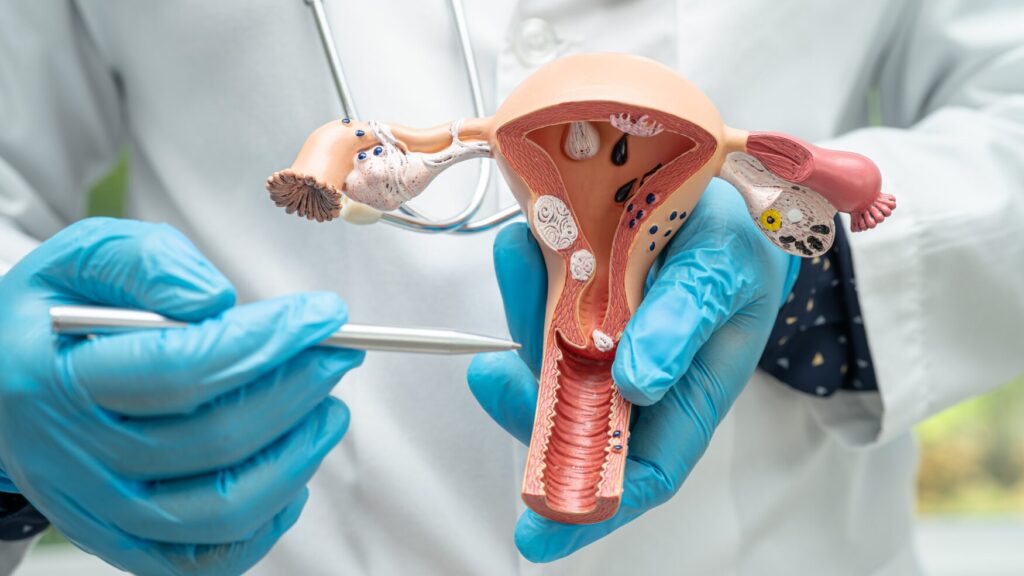
It is important to use language regarding anatomy correctly to explain physical changes to young adults with disabilities. Using correct terms can help to avoid confusion and help students feel more comfortable with their bodies. It’s also important to be positive about the changes your students are experiencing, and let them know their peers are experiencing changes, too.
Support in Personal Hygiene Tasks
In middle school life skills, you may be addressing several different personal hygiene tasks to suppport students through puberty. Talk about female hygiene, like what they may experience during menstruation, and how to use a pad or a tampon. Talk about wearing new clothing, like wearing a bra for the first time or making sure they are dressed appropriately. Click here to read more about what we do in Middle School Life Skills.
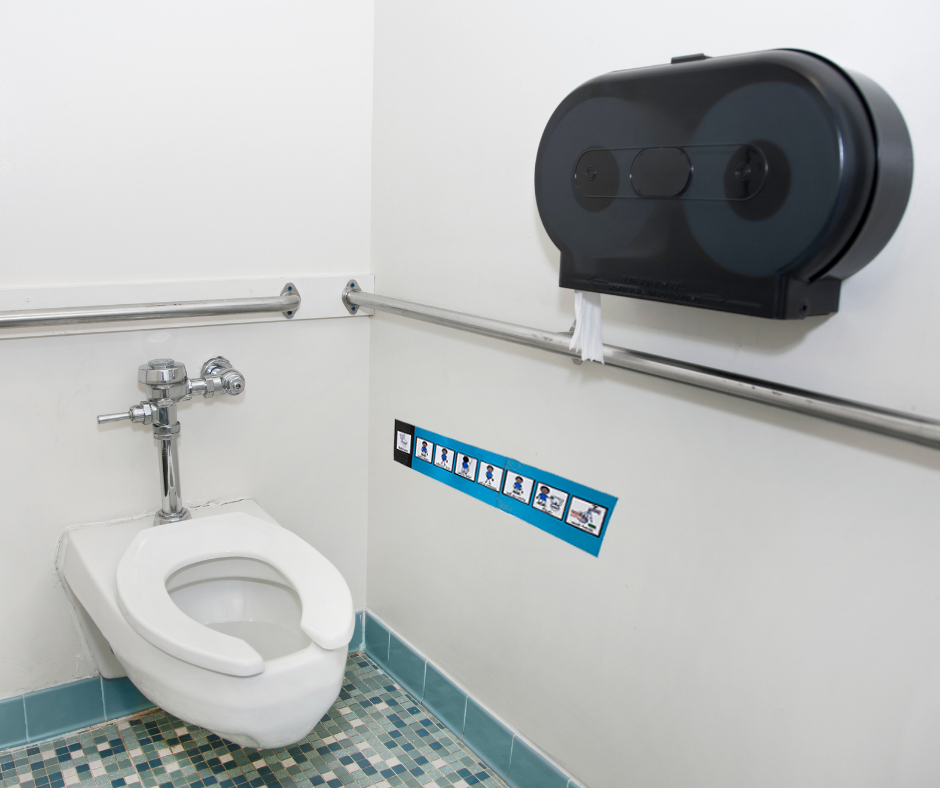
Life skills to support students during puberty may also include private area hygiene, like keeping yourself clean daily, and keeping yourself clean after bodily functions, as well as grooming body hair in new areas like armpits or genitals.
Social stories are also a great tool when learning about touching yourself in public areas. Talk clearly about when it is and is not appropriate to engage in self-stimulation.

Puberty is a part of life for every young person becoming an adult! We’ve all been there, right? You are there to support students during this time. Don’t be afraid, don’t feel awkward… and remember, you’ve totally got this.