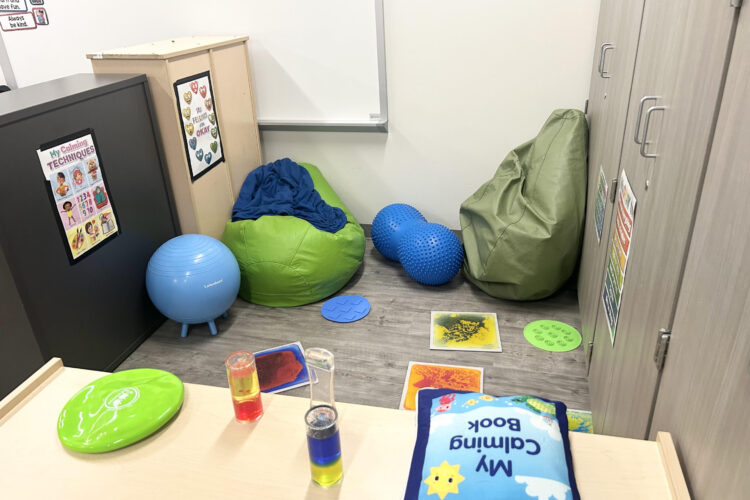
Hi! Welcome to my special education preschool self-contained classroom tour! My class is a half-day program for 3-year-olds who are not quite old enough to stay for full-day pre-k. I love a very structured space that is also fun and welcoming for my kiddos. Come along as I show you how I set up my classroom! Schedule Wall The first stop in my classroom is my backpack cubbies (not shown) and schedule wall (shown above). All of my students are color-coded in my room. This includes their ... continue reading...
Search Results for: task box
How to Decide What to Include in Centers

Special education classrooms thrive with centers! However, knowing what types of work to include at each rotation can seem like a daunting task. Looking for some center work ideas? Read on to see what I do on my classroom! Types of Centers In my classroom, I do two rotations of four centers each day - once in the morning and once in the afternoon. My morning centers typically focus on reading, while my afternoon centers are math-themed. I typically have four centers. They are: Teacher ... continue reading...
20 Vocational Jobs to Add to Your Special Education Classroom
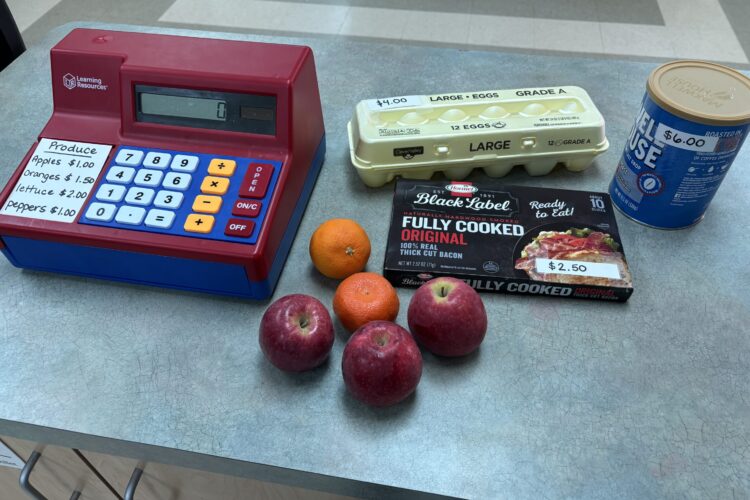
Looking to add some vocational skills practice to your high school or transition level classroom? Because students have different interests and different strengths, we practice a wide variety of jobs in my self-contained classroom. Here are 20 jobs you can add to your Special Education Classroom! Custodial Area Jobs Many of these custodial related jobs can be used in a vocational setting or in a home setting. 1. Cleaning floors 2. Cleaning surfaces 3. Taking out trash and ... continue reading...
10 Things to Do Now to Make August Easier

Everyone knows that we as teachers spend some of our summer break prepping for the new year. What can you do to prepare NOW for your return to school? Read on for ten ideas that will make your August easy! Organizing Organizing your teaching life is something that often falls to the wayside during the busy school year. But, taking some time at the end of the year or over the summer to organize will help you feel so much more prepared when August comes! Organize Your Classroom Papers ... continue reading...
5 Myths About Using Centers in Special Ed—and the Truth!
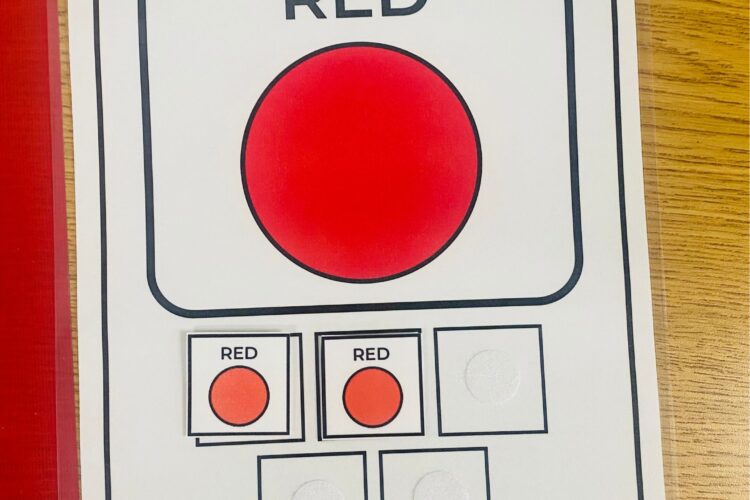
If you're a special education teacher in a self-contained classroom, the idea of running centers might feel overwhelming—or even impossible. Maybe you've thought: Let’s take a deep breath and bust some common myths about using centers in special education—and replace them with the real, doable truth. Myth 1: “My students can’t rotate.” Truth: Your students can rotate with the right supports.Rotation doesn’t have to mean chaos. Visual schedules, timers, and simple routines can make ... continue reading...
Vocational Jobs in the Classroom

As a school-based occupational therapist (OT), I've seen the importance of incorporating vocational skills into the classroom daily. I initially thought that this was only for my transition-aged students [high school] who were closer to real world jobs. But that is just not the case. I have come to realize that the earlier we start to build these skills the better! Special education students often have delays in executive functioning skills among other areas of development, therefore, they ... continue reading...
Digital Data Collection with QR Codes
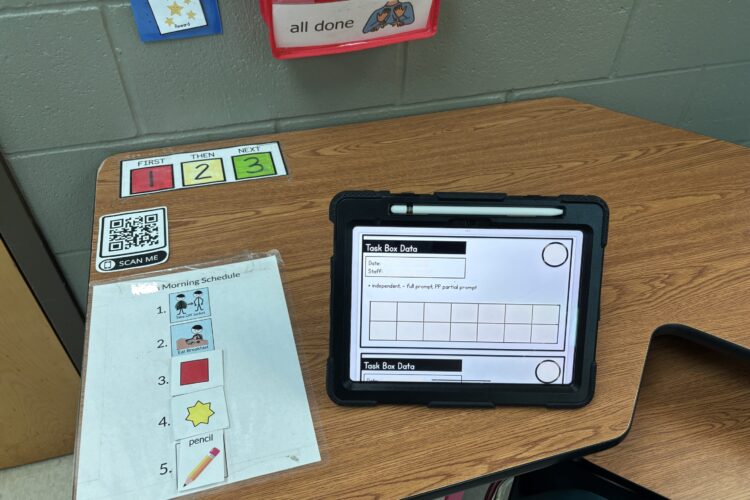
Digital data collection is a fantastic option for keeping data organized, and saving time, paper, and space! It’s also easy to collaborate with other teachers or related service professionals digitally. One of the best parts is that the handy QR codes make life so easy! They allow anyone working with the student can pull up the form quickly and fill it out using their phone or other device. Here are some of the perks of Digital Data Collection with QR Codes! Easily Build Your Data ... continue reading...
Tips for Teaching Time
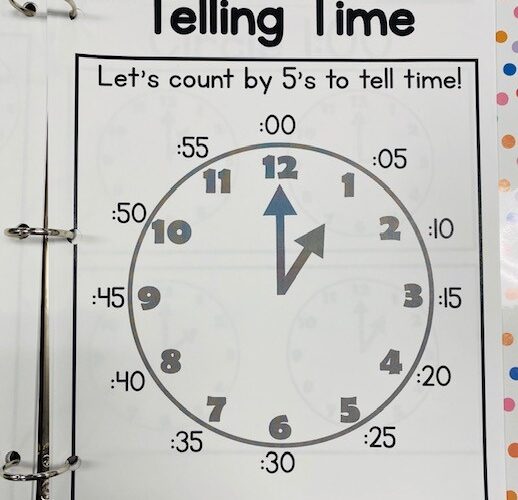
From first grade on, skills related to telling time are part of the Common Core State Standards as well as the DLM Standards. Not only is telling time an educational standard, it is also a life skill! Being able to follow schedule, understand times, of day, and read a clock all help children become more independent, which is so important for special education students. Read on for some of ways that I help my students learn to tell time. Direct Instruction in Telling Time For direct ... continue reading...
How Centers Free Up Staff Members in a Self-Contained Classroom

If you’re working in a self-contained special education classroom, you know the struggle: there’s never enough staff to go around. Whether you’re short on paraprofessionals or just trying to make the most of your existing team, finding ways to maximize time and efficiency is essential. That’s where a structured centers system comes in! When implemented correctly, centers can free up staff members while still providing students with high-quality instruction and engagement. The Power of an ... continue reading...
Independent Work in a Self-Contained Classroom

The ability to work independently is a skill that we want all of our students to learn. Although it doesn't always come easy for our self-contained students, we can incorporate independent work into the self-contained classroom. It is a benefit to both the teacher AND the students! Read on to see how I make independent work happen in my classroom! Building Independence There are many reasons why building your students' independence through independent work is important. One reason is ... continue reading...
Goals for Transition
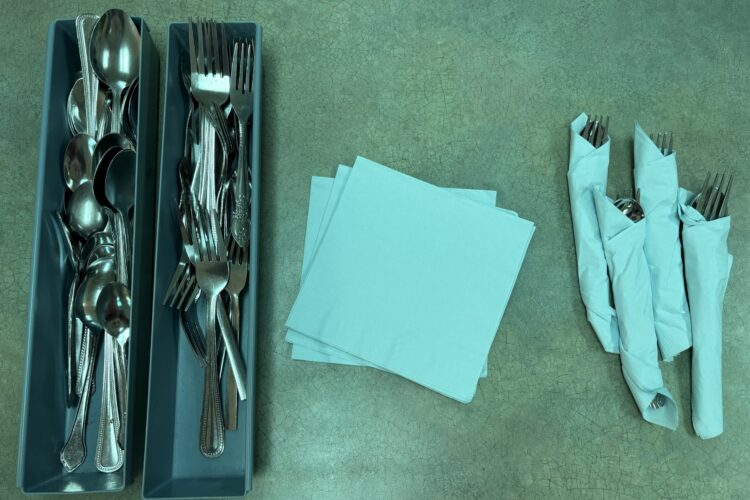
Transition-level students need goals to work on the next steps they will take after graduating from high school. What goals we give those students depend on what their next steps are, and of course, areas of need. Goals for Independence Many students benefit from working on goals that involve increasing their independence and time working independently. If students can work independently, they can take those skills to a workshop or work location after graduation and move to a job ... continue reading...
Classroom Layout Tips for Elementary Self-Contained Classrooms

Setting up a self-contained classroom can feel overwhelming, but the right layout can make all the difference! In a self-contained setting, structure, routine, and organization are key to helping students succeed. A well-organized classroom promotes independence, minimizes behaviors, and supports smooth transitions throughout the day. Here are some classroom layout tips to help you create a space that works for you, your students, and your staff! 1. Define Clear Learning Zones In a ... continue reading...
5 Valentine’s Day Activities to Support IEP Goals

I absolutely love celebrating holidays with my special education students! Seasonal changes in the classroom help keep things fresh for me and my students. It also helps me teach them about real-world scenarios. Luckily, there are a ton of fun ways to incorporate Valentine cheer while still focusing on students' IEP goals. Keep reading for five fun ways to celebrate the season AND practice skills! Reading Goals Comprehension and being able to retell a story are common reading goals for ... continue reading...
How to Make Irish Potato Candy

Celebrating the holidays with your special education students is so much fun! I love bringing the magic of St. Patrick's Day to my classroom each year by making Irish Potato Candy with my class! Read on for the super simple recipe that you can share with your kids this St. Patrick's Day! What is Irish Potato Candy? You may be wondering what exactly Irish Potato Candy is. This sweet treat is a popular candy that can be found in bakeries and candy shops in the Philadelphia area around St. ... continue reading...
High School OT Goals & How to Target Them

High school is a pivotal time for students; especially those with unique needs. It is the time we transition plan for students. Where will the student end up after high school? Some people are in the mindset that related services [like occupational therapy] should be faded out by this time. However, for many, developing functional fine motor skills is essential for achieving independence and success in the transitioning planning process. This goes for any student, regardless of where they ... continue reading...
- « Previous Page
- 1
- …
- 3
- 4
- 5
- 6
- 7
- …
- 19
- Next Page »