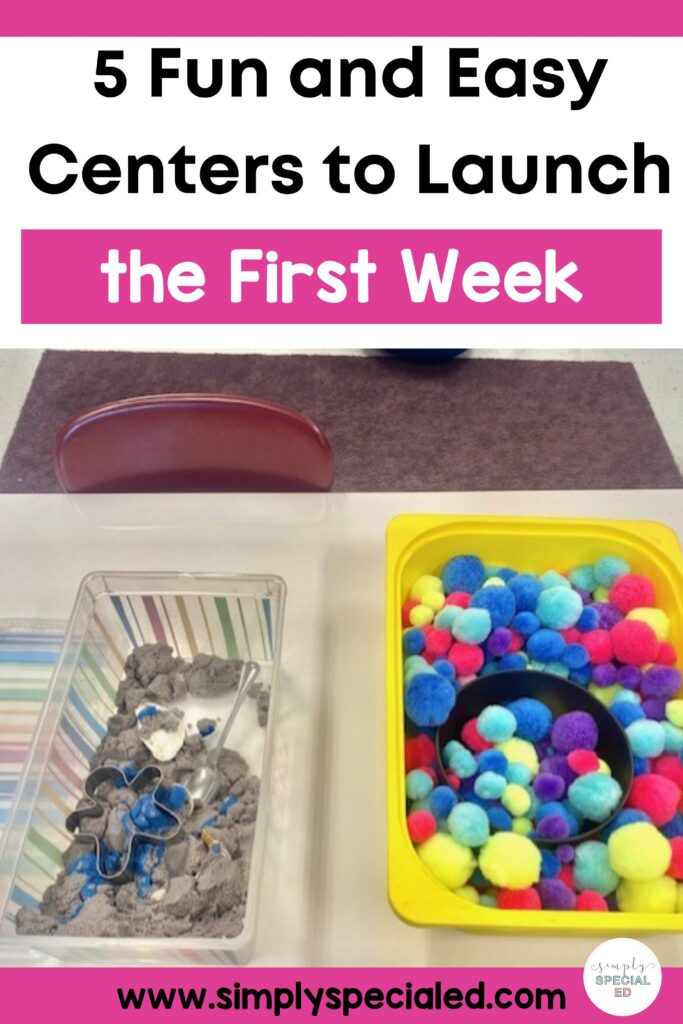
The first week of school is all about creating routines and expectations for students. This helps set you up for a successful school year! At the same time, we want to get to know our students, both as individuals and as learners. What is the best way to accomplish all this? By setting up centers in the first week of school! Keep reading to learn about some quick and easy activities you can implement right away!
Setting Routines in the Classroom
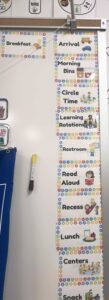
At the beginning of the school year is is essential to establish routines in the classroom! Routines create a predictable, structured environment where students feel safe and ready to learn. Having clear routines reduces confusion for students. They also support positive behavior by setting clear expectations, which helps prevent disruptions. Additionally, routines build student independence and strengthen executive functioning skills by helping them manage tasks and transitions on their own.
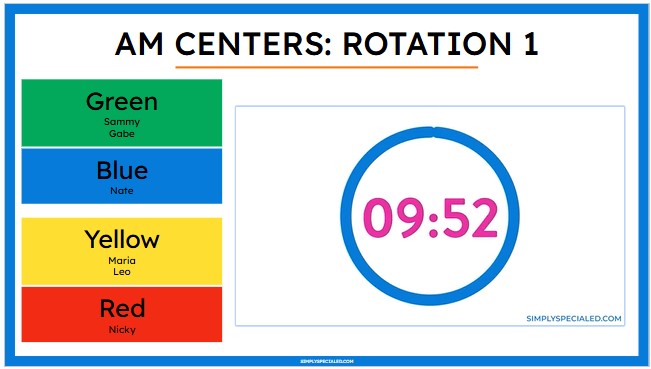
Some examples of classroom routines include how students will complete arrival and dismissal procedures, go to morning meeting, transition throughout the day, and participate in different subjects. Of course, how students will function during centers is also an important routine! It is important to start establishing routines on DAY ONE of school so that they will stick with students. That includes starting center rotations. I want my students to know how the classroom will work so that they know what to expect each day.
For that reason, it is important that the centers you set up to start the year are EASY and FUN! This will help you create buy-in with your students.
Easy Centers to Use at the Beginning of the Year
Here are five easy centers you can set up at the start of the school year to get your students right into a routine!
Computer/Technology Center

A computer or technology center is one of the quickest and easiest centers you can set up. Many schools have mandated computer programs for students, such as iReady or IXL. Centers are a good time for students to get in their required weekly minutes! Or, you can also utilize free sites such as Epic (for ebooks) or abcya (for educational games). In addition to the academic skills learned on these sites, using technology has other benefits. For example, knowing how to navigate a computer is a needed life skill. Also, using the computer can help students develop their typing skills. Pro tip: I have students log-in to their computers before our rotations start in order to streamline the process during centers!
File Folders
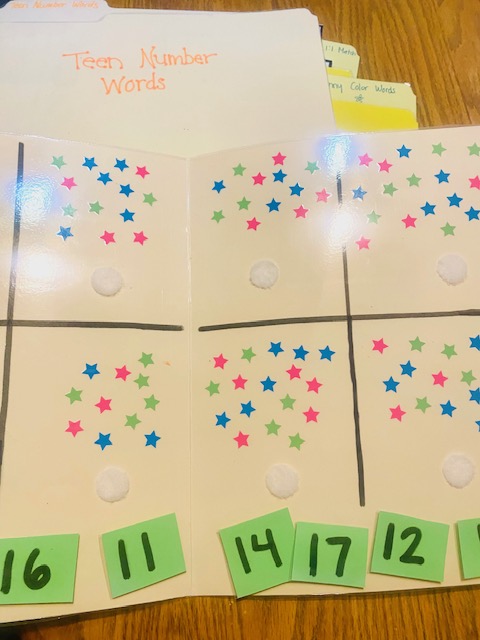
File folders are a staple in special education classrooms! I use file folders during centers in a few different ways. One way to incorporate them is through an independent work system. With this option, you will assign file folders for students to complete. Another way I do use them is by simply offering a variety of folders in a bin at a center. This is great for when you have file folders that are errorless, simple matching, or other skills that you know the majority of your students can complete. Letting them choose their own activities allows them to be autonomous and direct their own learning.
There are a ton of great options for file folders you can print out and use for ANY time of year. At the beginning of the school year, I bring out this back-to-school matching freebie year after year! You can also create your own using worksheets, stickers, or other materials.
Sensory Activities
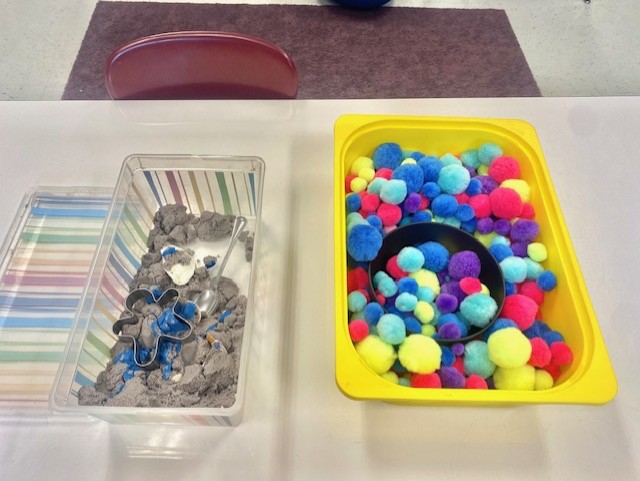
Another great addition to center rotations is sensory play! Getting sensory input helps students regulate their systems. So, it is handy to add them to your rotations to help students stay calm, relaxed, and ready to work! This is especially useful at the beginning of the year when students are still acclimating to the rigors of the classroom. There are a ton of great ideas for sensory bins in this post!
Fine Motor Centers

Fine motor skills are needed for accomplishing a myriad of daily living tasks. Helping our students develop these skills is so important! This can be easily achieved by adding fine motor centers to the rotation. Fine motor centers The best part is that once students understand the different tasks, they can be completed independently! Just put the different centers into bins, and they will be grab and go activities for your class. And, they can be updated seasonally to keep things fresh in the classroom!
Life Skills and Work Tasks
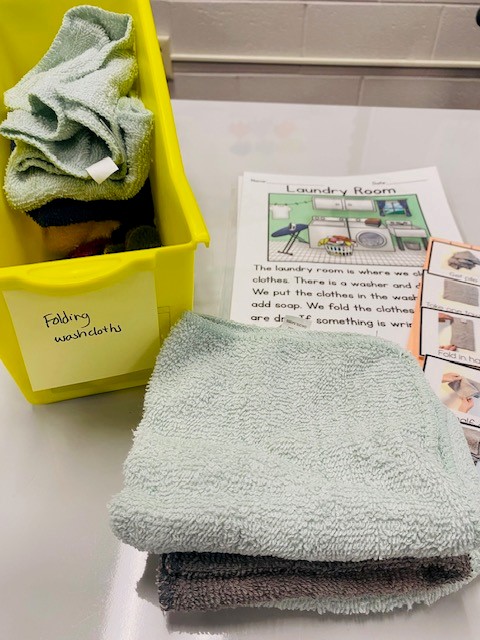
One of my favorite types of activities is life skills centers and work tasks! It is so important to help our special education students develop their life skills. Things like completing chores and household tasks, cooking, dressing independently, and sorting items are all examples of life skills. When students have experience with completing these types of tasks, they will become more independent and self-reliant. It also is a great confidence booster! And we can help them develop these skills through centers. Setting up a life skills center with visual directions allows students to learn new tasks that they can transfer into their daily lives.
I like to start the year with this Folding Facecloths center. It is quick to implement and materials that are easy to find. The step-by-step visuals make it simple for students to master the task, which is very motivating. Plus, it can be reused over and over again!

Setting up centers like these at the beginning of the school year will make such a positive impact on your classroom! They are easy for teachers to set up and implement, and they will help get your students into a routine for the school year! Have any questions about centers? Ask them below! And be sure to check out the Simple Centers System to learn ALL about how to use centers in your classroom!