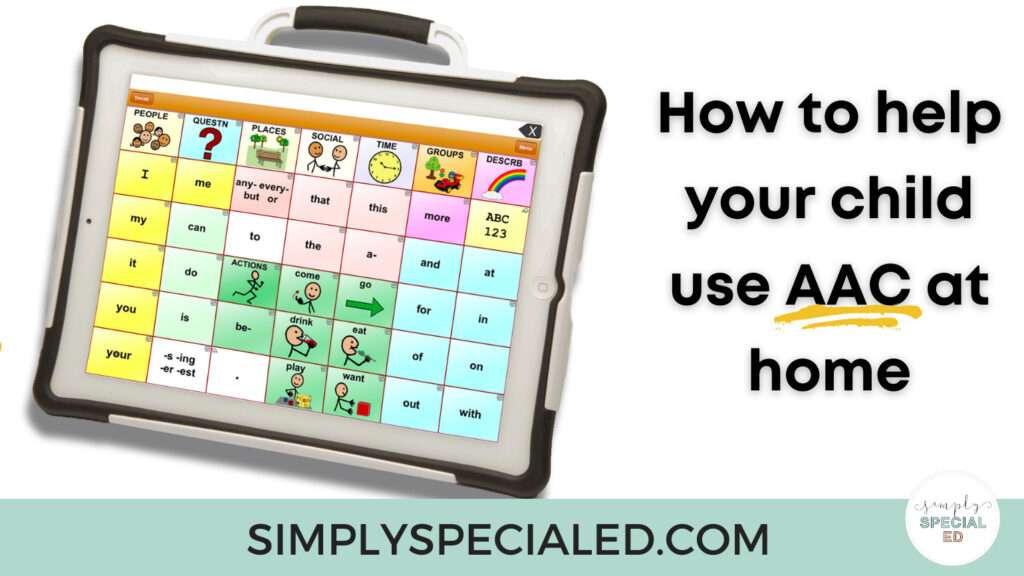
All children and adults who are non-verbal (which means unable to communicate verbally) can use AAC as an alternate method of communication. Even if your child is verbal, but you and others around them have difficulty in understanding them, they can use AAC to communicate.
One of the deficits of Autism is difficulty in communication, AAC can help children communicate. 40% of children on the spectrum are non-verbal, even though they have average or above average intelligence.
As an Autism parent, I will be sharing some tips and strategies you can use to help your child use AAC effectively at home.
What is AAC?
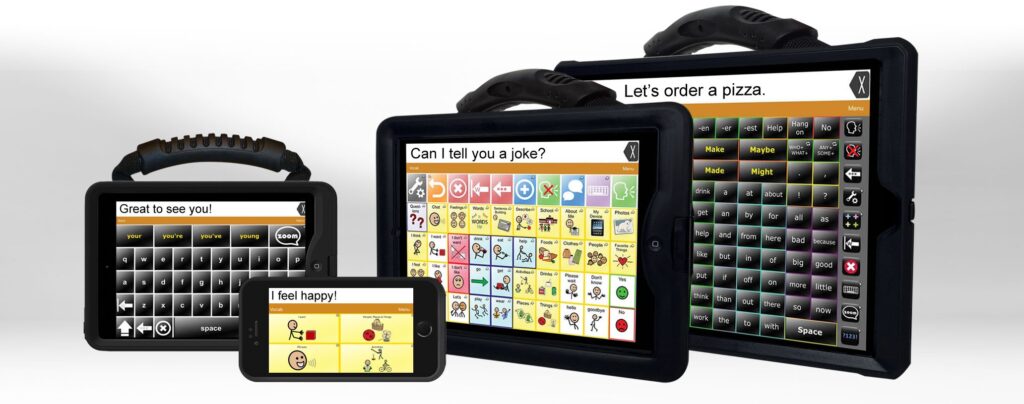
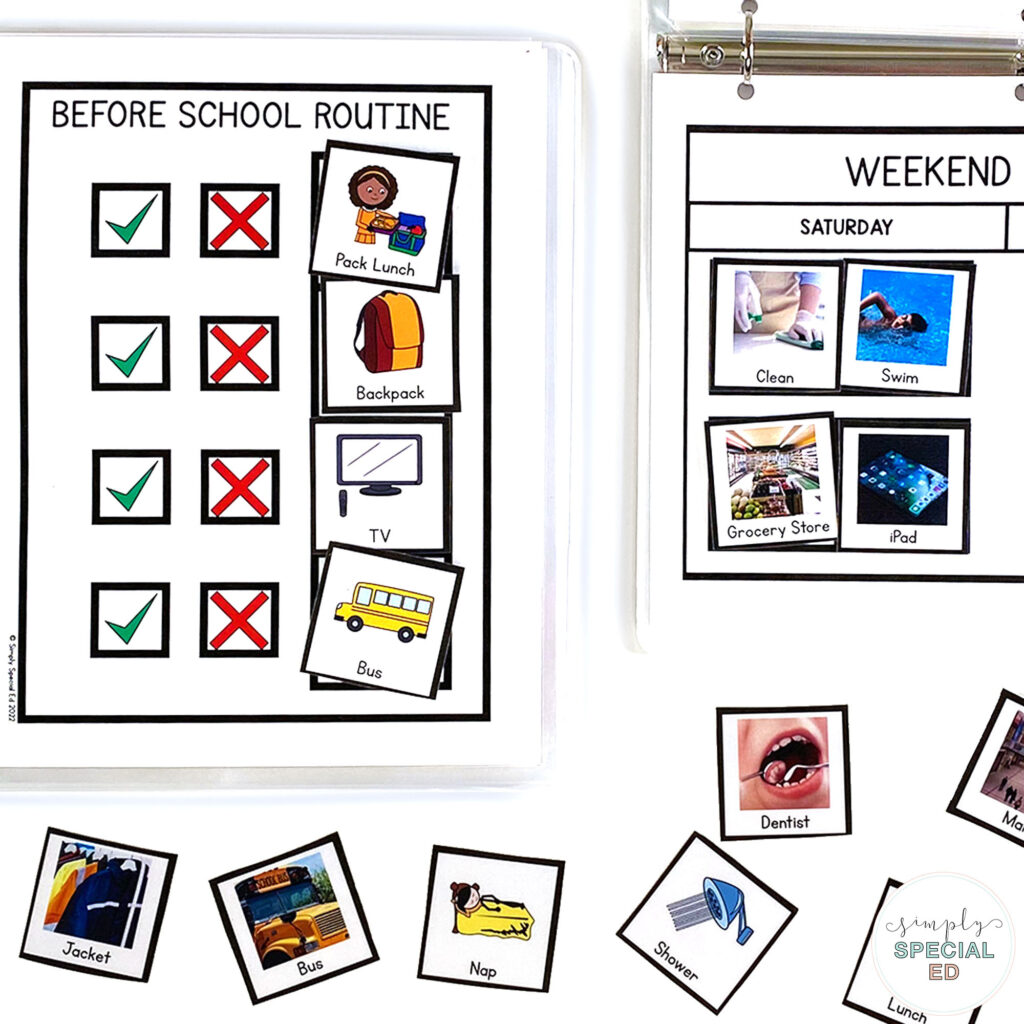
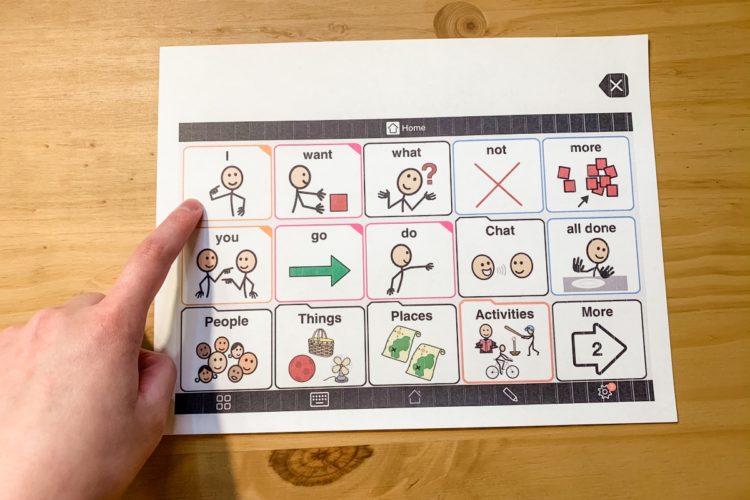
AAC stands for alternative and augmentative communication. There are many types of AAC. AAC can be aided ( requires an additional tool) or unaided (only using the body). Aided AAC can be low tech (picture visuals or high tech (communication devices or speech generators).
Learn more about High tech and low tech AAC here.
My son + AAC
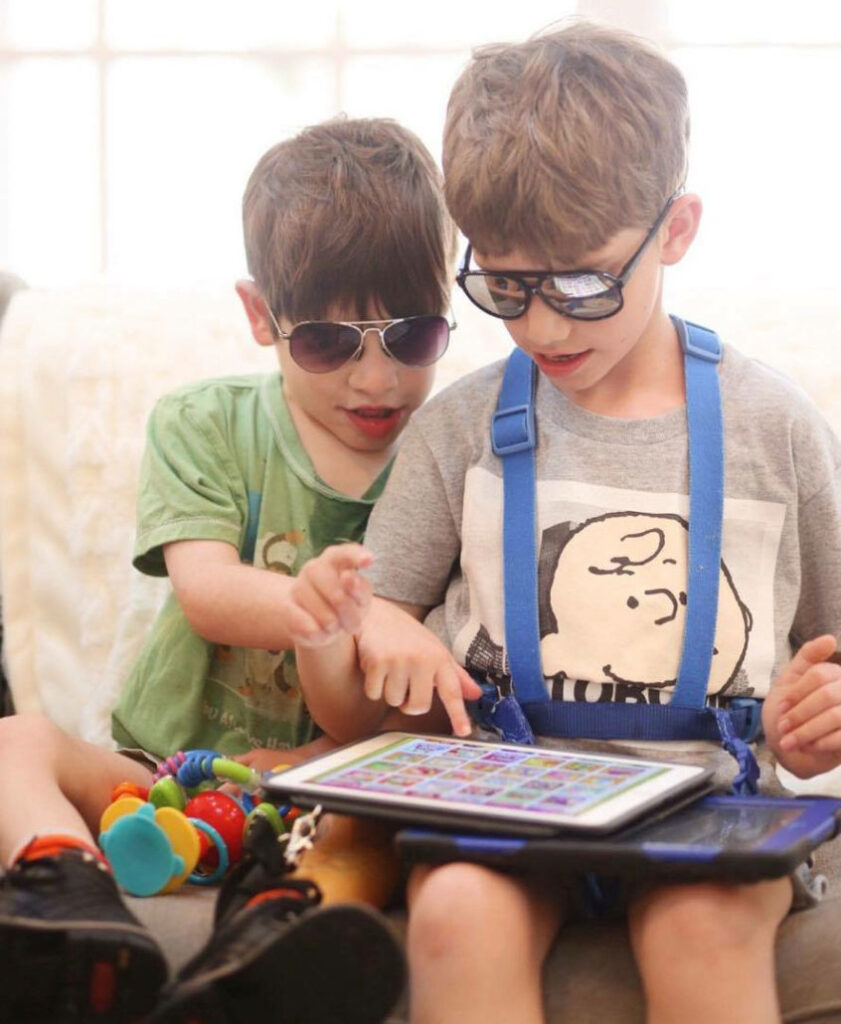
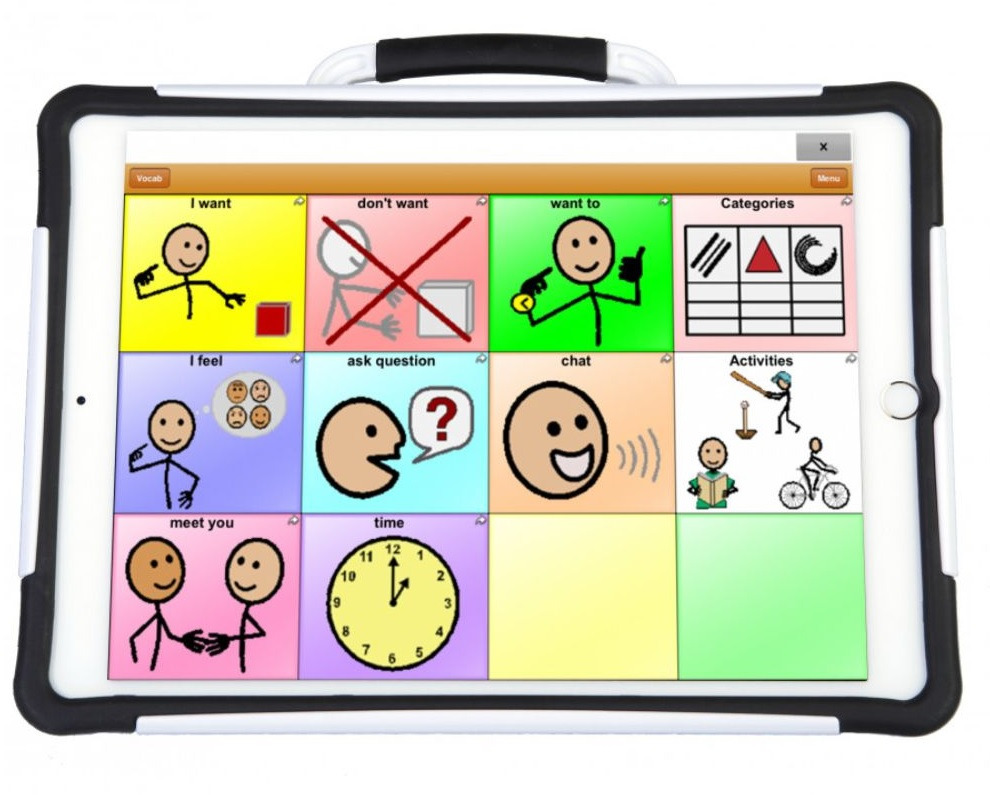
Our son started using AAC almost a decade ago. This has effectively helped him communicate thereby reducing his anxiety and frustration. Aarian uses aac app called Touchchat word power 42 to communicate. We started in the beginning with Proloquo 2 go and recently changed it to Touchchat word power 42. Aarian has come a long way and is able to communicate with his AAC for a variety of communication functions. It’s his voice and has been a blessing for all of us.

What is Aided Language Input?
The strategy by which we can teach our child to communicate using their AAC is called Aided language input. In this strategy you need to model using the device for your child. We need to communicate with them in their own language, which is AAC. In the beginning, we need to start modeling the device without expecting the child to use it. Slowly with time your child will start exploring the device.
What works at Home
The first thing we need to remember is that it’s a new language for your child so we can’t just give our child their device and expect them to instinctively know how to use it. We have to teach them. We have to model AAC just like we teach them any other skill.
In the beginning, you will see your child pressing random buttons on the device. This is the child’s way to explore their device to understand where different words are on their device. We can compare this to the babbling phase in a typically developing toddler, do not take away their device instead respond to their communication attempts in a meaningful way..
The most important thing is that AAC is your child’s voice, never ever take it away from them. Take the device everywhere with your child. Use it in daily routines, during meal times, teach them commenting , greetings, protesting , asking, and answering questions, answering, yes, and no questions. This will help your child to self advocate for themselves.
Be Consistent
Be consistent while using the device, we can point to the words as we speak verbally. There is no need to point to every single word. use words in different contexts. Always have a low tech back up of your child’s device In case the device has any technical issues or is not charged. Your child still has a way to communicate..
Learn the device Yourself
As a parent it is important to learn everything about a child’s device so we can make any changes or add a word . Make sure the device is charged every day and also update it regularly.
Do not change the position of words on your child’s device as the children need to learn a motor plan in order to navigate the device. Give Wait time to your child as children on the spectrum need extra processing time. Don’t jump in right away to help them..
If possible, have a separate device for communication. Use guided access on the device. So the child doesn’t go on YouTube and other apps to play games. This way, the child will know the device is their voice and it can only be used for communication.
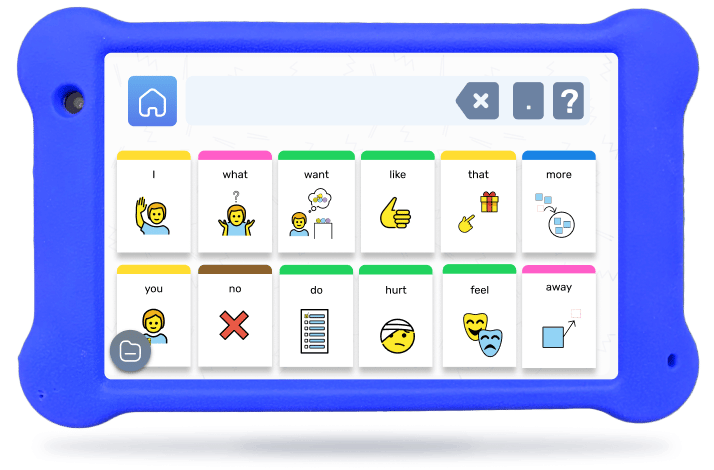
There are no prerequisites for AAC. The child will make mistakes in the beginning. It’s okay to show them how to correct it if you need to find a word, show your child how you can find it.
If you think your child would benefit from an AAC device a speech language pathologist can do an assessment to see which device is the right fit for your child. There are many versions of these apps and many levels of communication for all levels.
Learn about the 5 most popular high tech devices in this blog post!
I hope you find these tips useful to help your child communicate and get started with AAC at home. Learn more about AAC at school here.

Meet Guest Blogger, Vidya Banerjee!
Vidya is a mom to a teenage son on the spectrum who is nonverbal and uses AAC to communicate. She went back to school after her son’s diagnosis and received an Autism Graduation Certificate. She is very passionate about helping fellow autism parents help their children on the spectrum without overwhelm. You can visit Vidya’s blog at AutismFamilyStory.com where she is helping Autism parents around the world with tips and strategies she has learned along the way. Vidya is also the host of the Autismfamilystory podcast which is available on all podcast platforms and has around 70 plus episodes on all topics which can help fellow autism parents.
Follow Vidya on Instagram at @autismfamilystory to learn tips and strategies to help your own kids or students.
Listen to Autismfamilystory podcast on all podcast platforms.
Thank you Vidya for blogging for Simply Special Ed!


