
Let’s chat all things AAC. This blog post is dedicated to addressing the pros and cons of low/no- and high-tech AAC. When you’re done reading, you’ll feel ready to proclaim your knowledge and use of AAC!
AAC is helpful to all educators, not just speech-language pathologists. As an educator, there’s a high probability that you use AAC without even knowing it! I’m going to talk about the differences between low-/no- and high-tech AAC and show some concrete examples. I’ll also share some pros and cons of each methodology.
If you are an AAC beginner, you’ll want to start with Stephanie’s blog, here.
So, what is AAC?
AAC stands for augmentative and alternative communication; augmentative means in addition to natural speech (someone’s voice) while alternative means in place of natural speech.
At my school, we think of AAC as a process rather than a destination. AAC involves an ongoing program of decision-making that considers individuals, their methods of communicating, and the effectiveness of communication with a variety of listeners, as well as environmental variables that foster or impede communication.
If you aren’t super familiar with AAC, it might be easy to label it as “iPads” or “Proloquo2Go”, but that is genuinely just the tip of the augmentative and alternative iceberg. So let’s get into the meat and potatoes. I’m going to separate the content into: 1) expressive language (i.e., the language one uses to communicate his or her thoughts, wants, and/or intentions), 2) receptive language (i.e., the language one comprehends), and 3) pros & cons.
1) Expressive Language:
Low-/No-Tech AAC: Typically paper-based, static displays that are accompanied by partner assisted speech. This can include: PECS®, PODD, and/or paper-based communication books and boards, yes/no boards, and/or like/don’t like boards.
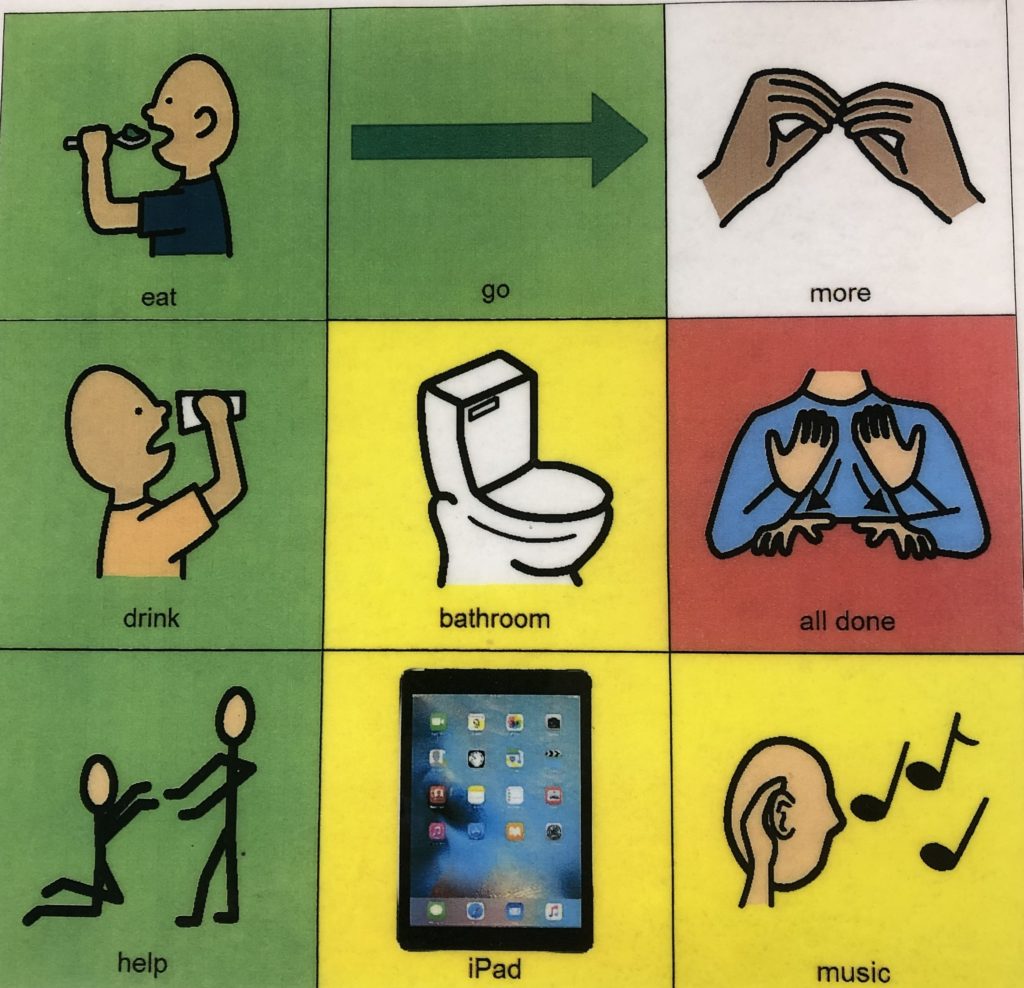


You can find SSE First/ Then boards here.
High-Tech AAC: Typically utilizes computer-generated speech and dynamic displays. This can include: iPads, Tobii Dynavox, Prentke Romich Company (PRC), and/or Saltillo (e.g., NOVA Chat, TouchChat).
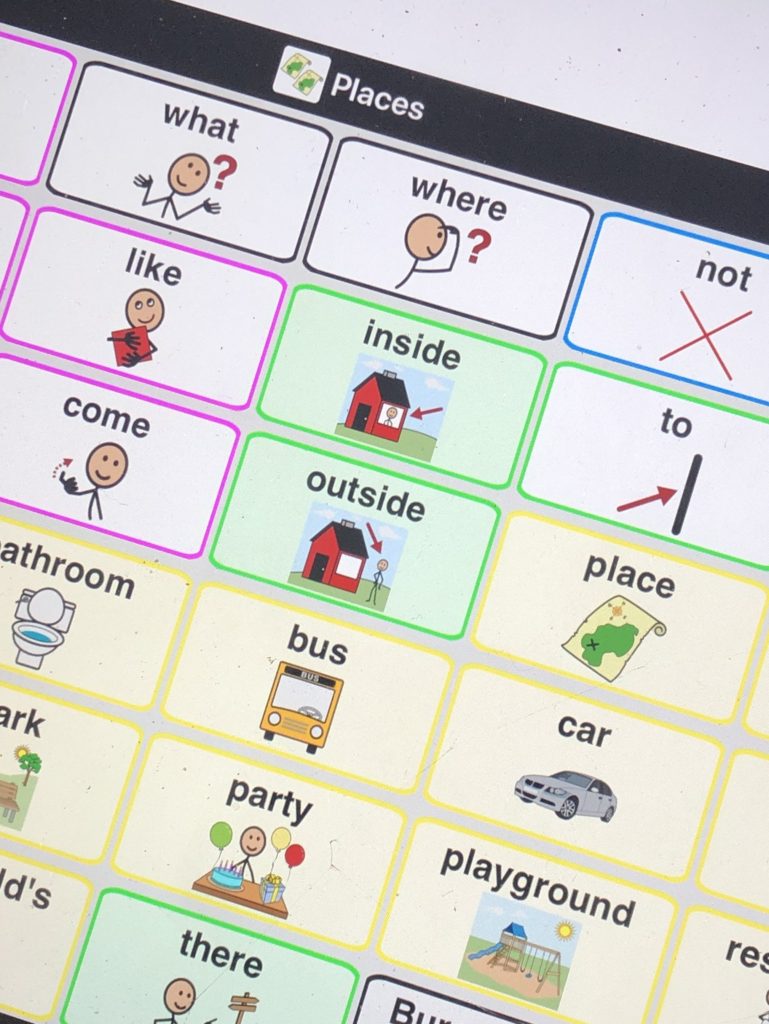
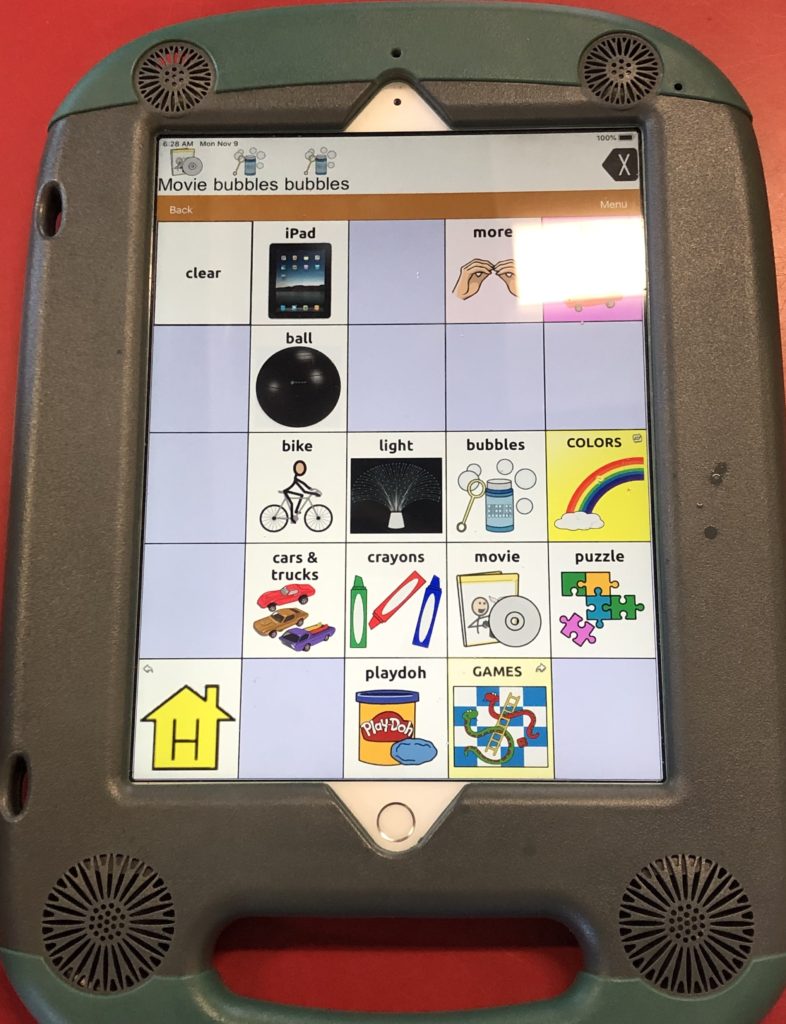
2) Receptive Language:
Low-/No-Tech AAC: Visual schedules (picture-based, text-based), agendas/planners, listed schedules, to-do lists, grocery lists, honey-do lists (hehe), rating scales, and/or first/then boards.


Read about integrating AAC into your classroom here.
High-Tech: Choiceworks (App. Store), AAC Evaluation Genie (App. Store), and/or alarms/reminders.

3) Pros & Cons (Low-/No- Versus High-Tech AAC)
Deciding on the right modality of AAC for a student is individualized based on a concept called Feature Matching. It’s fundamental to analyze an individual’s needs as a whole and match it appropriately based on the pros and cons of different AAC systems.
Pros of low-/no-tech: Low cost, “easy” to develop and transport, can be used in “tricky” environments when electronics aren’t preferred (i.e., shower/bath, beach, pool), visual depictions are endless (thanks Google images!), & can be used as starting point for high-tech systems prior to purchase.
Pros of high-tech: Robust vocabulary, increased opportunities for language complexity, auditory feedback is provided to student and partner, durability, & the age of technology.
Cons of low-/no-tech: Limited vocabulary and language complexity, high need for partner support, lack of durability, can be easily misplaced/lost, cannot create “saved” messages.
Cons of high-tech: Price, woes of technology (e.g., malfunctions or breaks), still require paper-based backups.
Learn about the 5 most popular high tech devices in this blog post!
Thanks for reading about low-/no-tech and high-tech AAC!