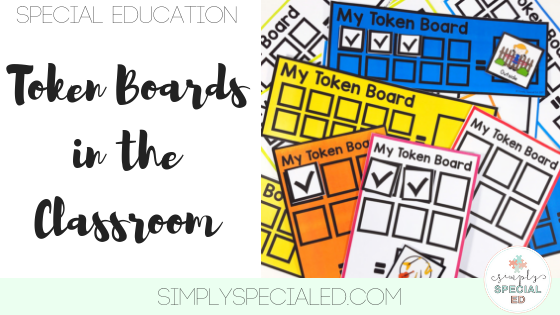
Token boards are a special education classroom essential! Read on to find out why you need to start implementing token boards in your classroom right now!
Why are token boards essential?
Token boards give a structured visual reminder of how close you are to earning a preferred item, activity, or food. For students doing a less preferred task, students that have difficulty working for longer periods, and for students who just need visual reminders to be successful, token boards are a hugely successful tool!
When using token boards we are able to visually remind our students of what’s next, and how much more work there is, without constantly using a verbal redirection. This reduces the stress on the student, gives clear expectations, and often reduces negative behaviors.
Let’s look at some different style token boards!
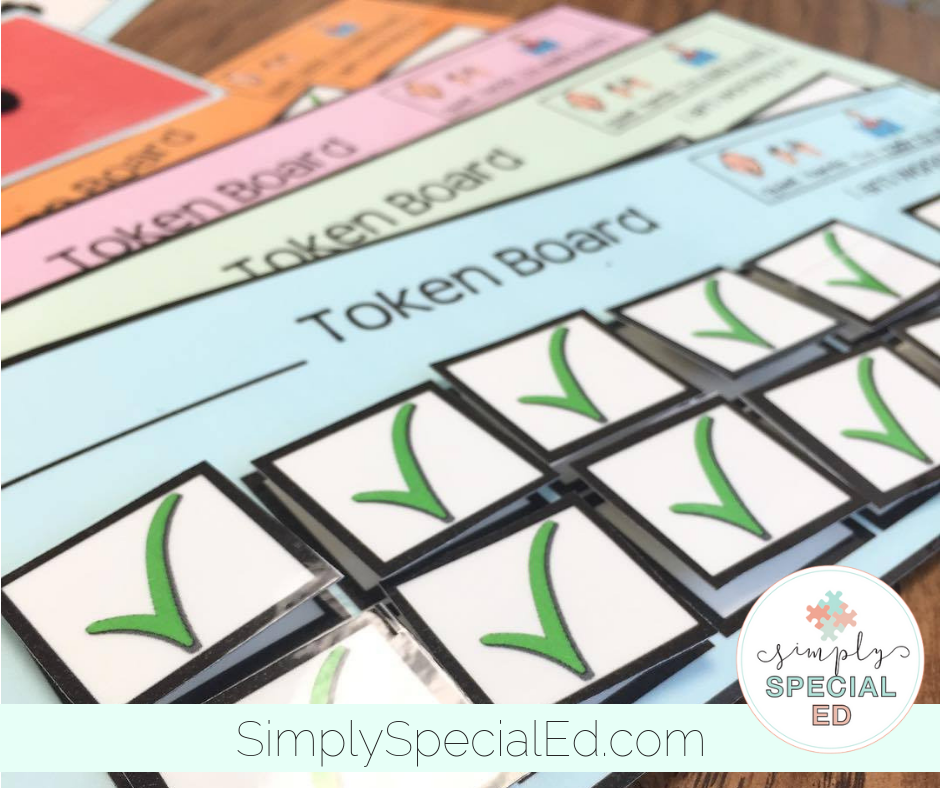
Token boards should be student centered. Yup, that means individualizing token boards for your students as needed. They may all respond well to the same token board, but more often than not you will need to use a different amount of tokens, different type of token to motivate, or use different visual reminders for each student.
The token boards above include visual reminders in the top right corner. You may include quiet voice, calm body, or any other reminders that a specific student may need right on the board to remind students how they earn tokens. When a student is off task, you can point to these visuals to remind them how to earn a token instead of using a verbal redirection.
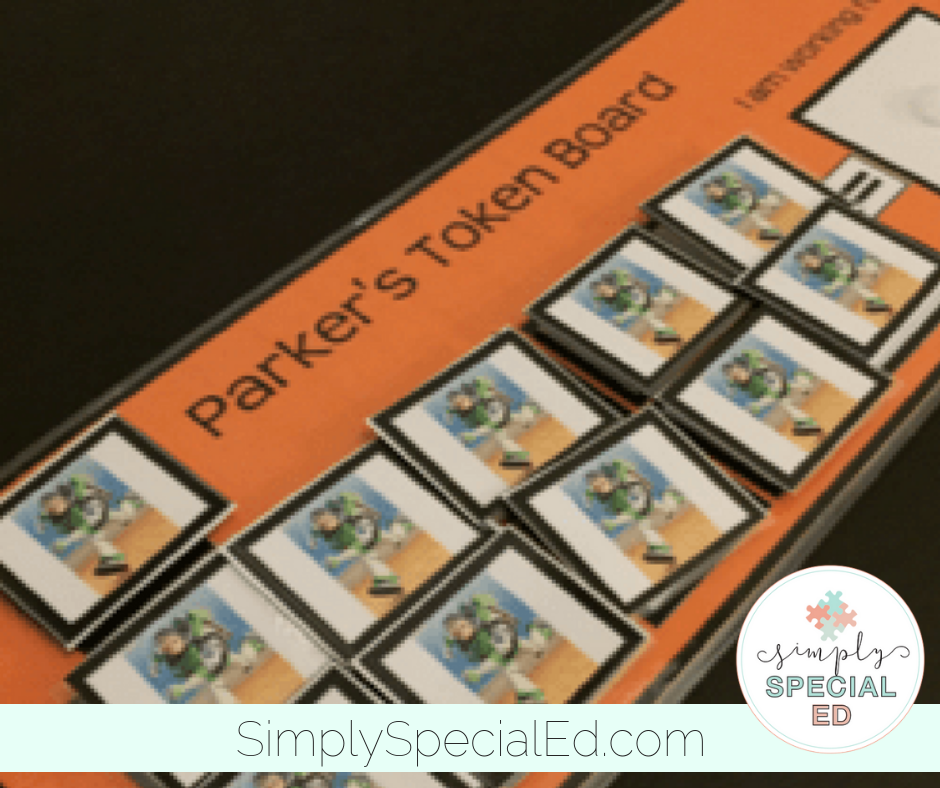
Token boards should highlight student interests. For some students, check marks may not be motivating enough. This may require you to use a token that is specific to the students interest. This student LOVED buzz lightyear- So I quickly added some buzz tokens to his board and he was so much more motivated! These boards without visual reminders are free and you could add your own character tokens.
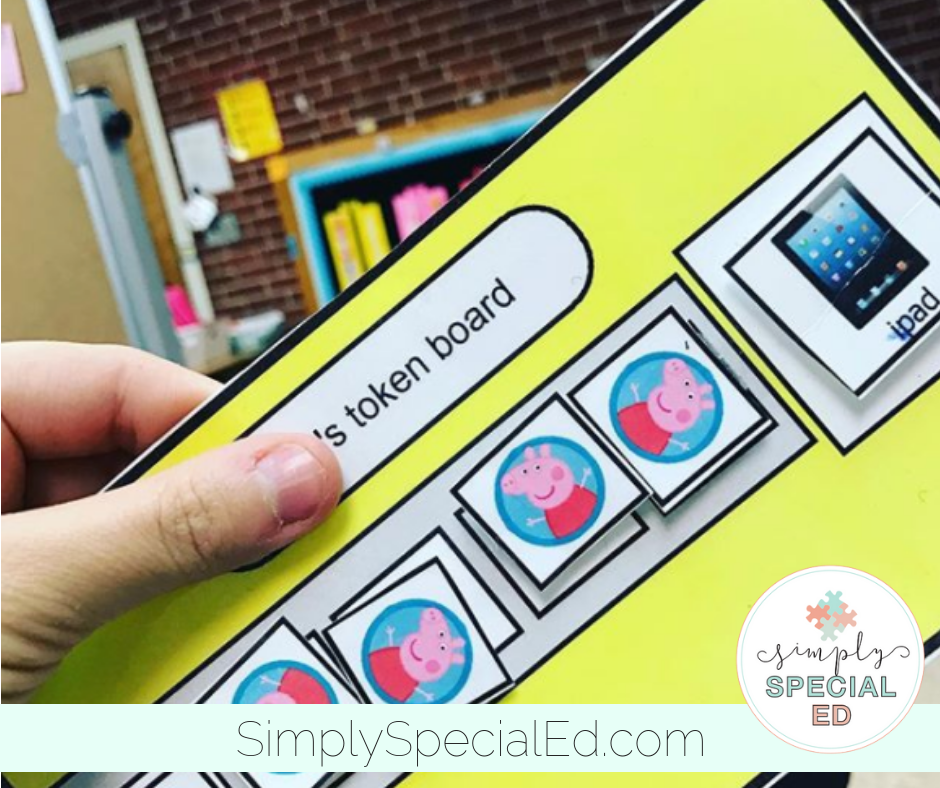
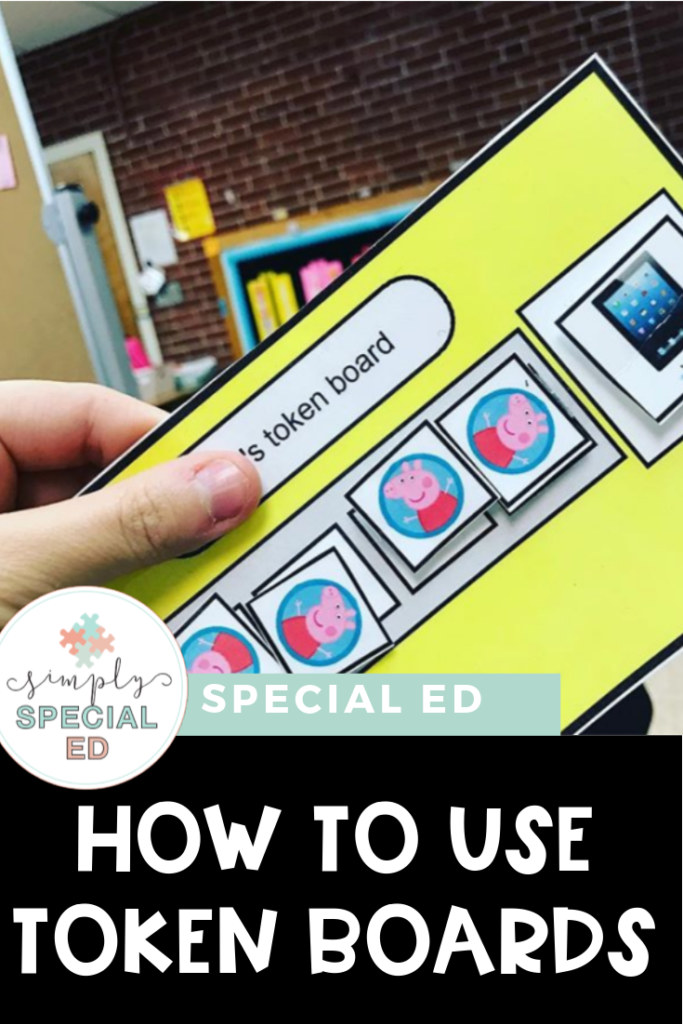
The number of tokens you use matters. A student who is just starting with a token board, never been in school before, or younger students may require far less tokens that students that are more experienced with the system. This student loved to earn his peppa pig tokens but could only tolerate 5 tokens at a time before receiving the iPad. For this student, one token = one response during an ABA session. Then he received the iPad for one minute before we restarted the board.
Keep in mind that you will want to be increasing the number of tokens a student has to continue to challenge them all year and increase their time on task. When you create a token board, create a few variations so the next is ready to go if you need it, so you aren’t delayed by the need to create one.
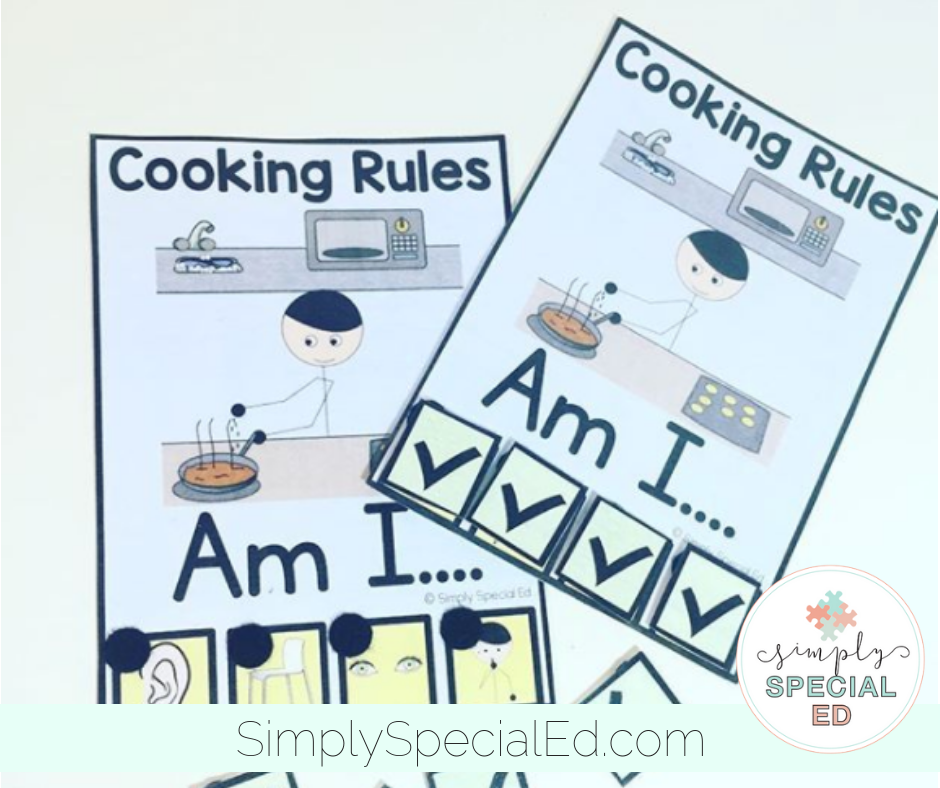
Token boards also work for specific activities. Sometimes you may need a token board that is specific to a certain activity. If cooking is hard for a student, having a token board with specific reminders for that activity is important! This board reminds students to listen to the directions, stay in their seats, watch everyone take turns, and to keep your mouth quiet (no coughing, tasting until the end). They can earn 4 tokens during the cooking activity to earn a preferred activity afterwards.
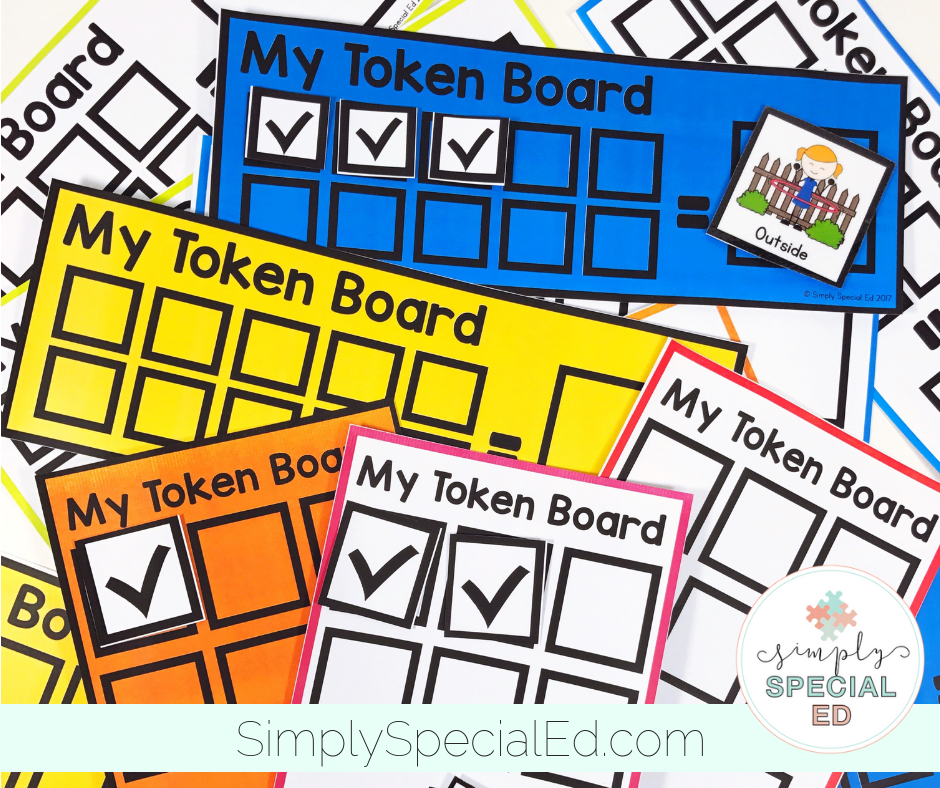
Color coding token boards keeps you organized! Color coding is a lifesaver in a special education classroom. This set of color coded token boards included a variety of token numbers in all different colors, making it easy to identify students without writing names on the board. It also makes it super easy to add more tokens to the board because the boards are already made for you.
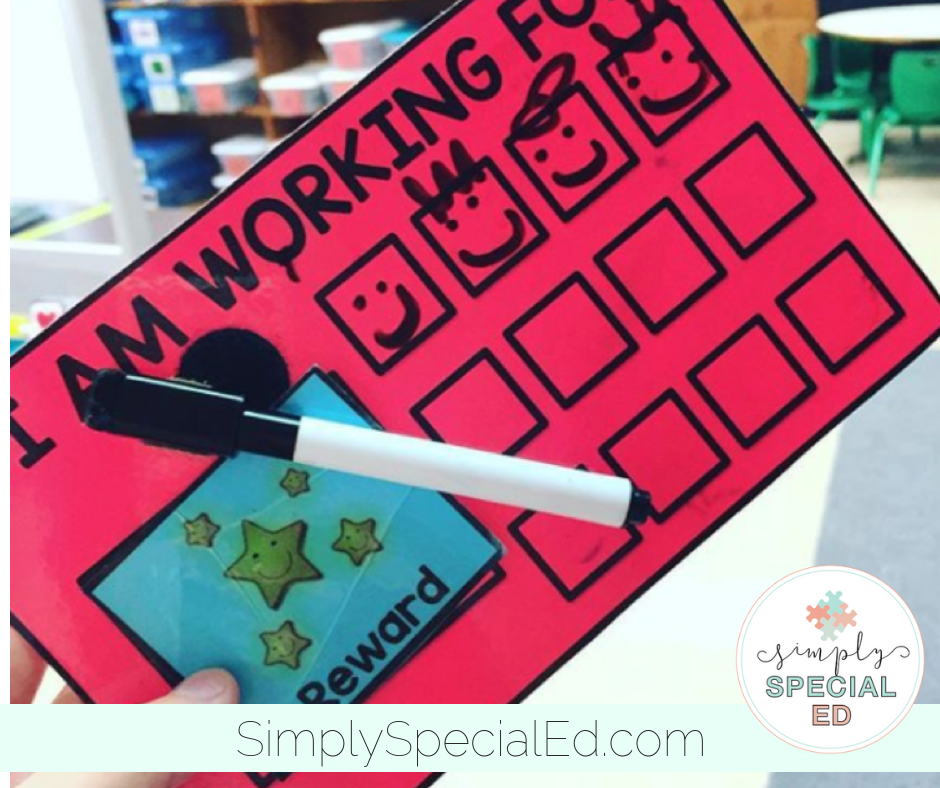
Dry erase works too! Some students may be able to give themselves tokens using a dry erase marker! This may be more motivating than velcro token pieces. This student could sustain 12 tokens before a break- he was super motivated by drawing his own smileys when he earned one! This type of token board is included in the Simple Success Student Binder.
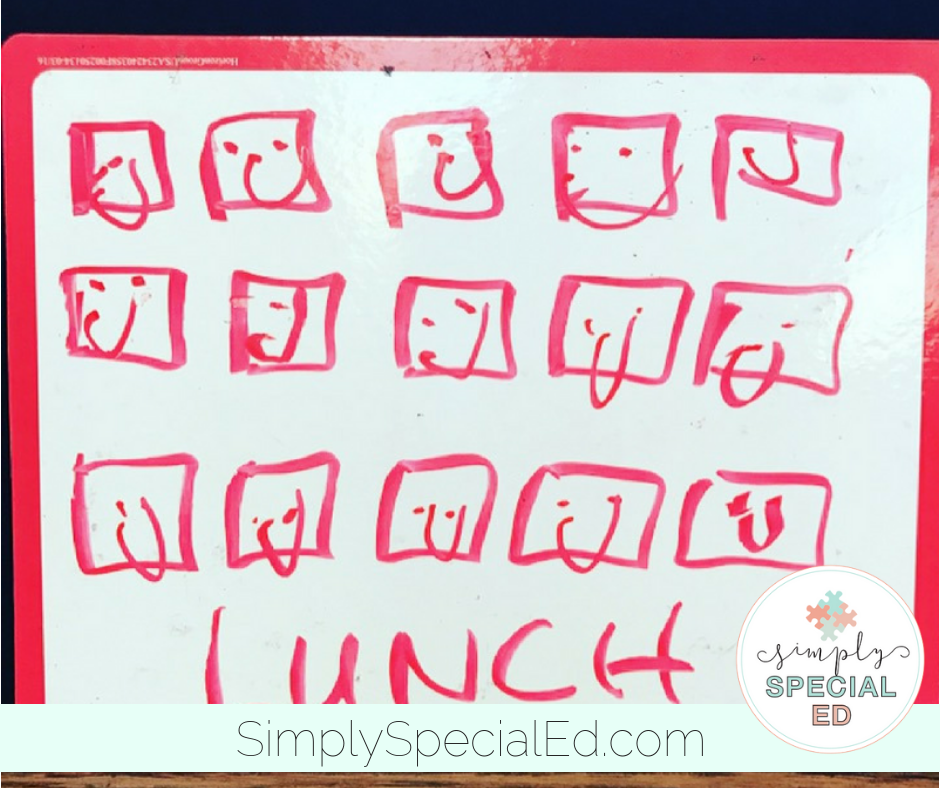
Token boards on the go are important too! Sometimes you may be without your token board and need to think on the fly. You can basically make a token out of anything… but a dry erase board is a great idea! This student gave himself smileys to make it through art class and get to lunch!
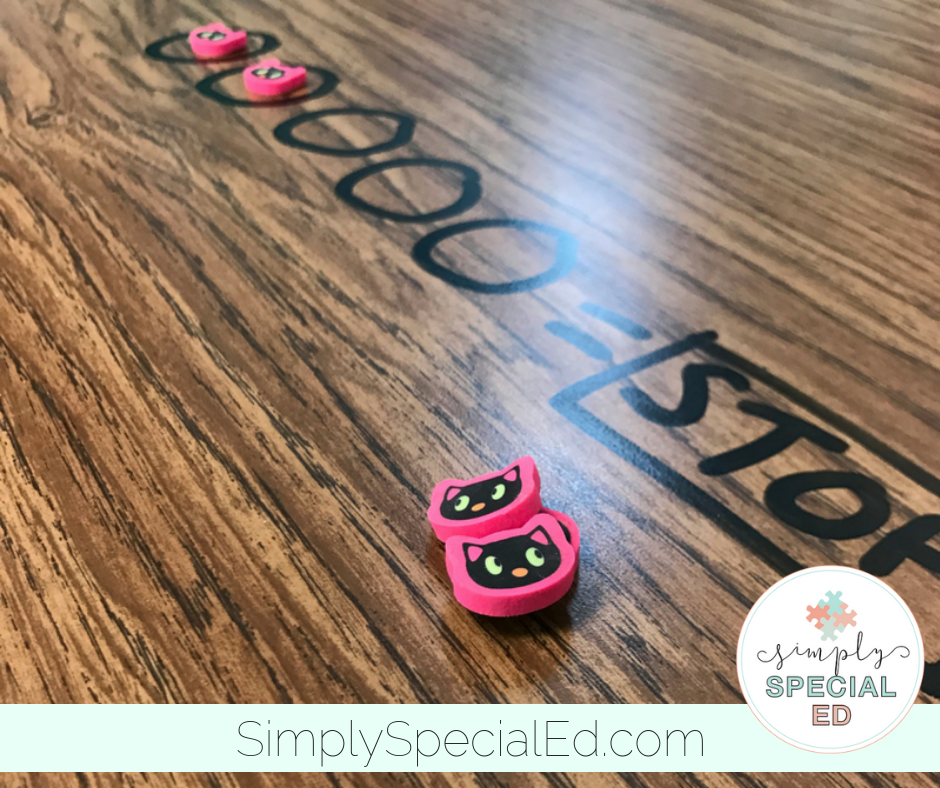
If all else fails, use the table! Most tables work with a dry erase marker…. though you should test a small area first to make sure it wipes right off! If you have a dry erase marker, you can draw a token board!
I hope seeing a variety of types of token boards gave you some good ideas on how to start implementing this strategy in your classroom! Remember to have a plan to increase the amount of tokens for the student as the year goes on… we want to continue to challenge our students!