• Home
  • Online Courses
    • Simple Self-Contained Setup 101®
      • Success Stories
    • Simple Centers System
    • Course Member Sign In
  • Shop Now
    • Shop Now
    • Free Resources
    • Gift Cards
    • Cart
    • Purchase Orders
    • School Licenses
    • My Account
  • Free Webinars
  • Blog
    • Academics
      • Adapted Books
      • Comprehension
      • Cooking
      • Crafts
      • ELA
      • ESY
      • Fine Motor
      • Life Skills
      • Math
      • Occupational Therapy
      • Science
      • Sensory Bins
      • Social Emotional Learning
      • Social Skills
      • Social Studies
      • Speech Therapy
      • Task Boxes
      • Vocabulary
      • Writing
    • At Home Learning
      • Digital
      • Remote Learning
    • Behavior
      • ABA
      • Communication
        • AAC
      • Data
      • Schedules
      • Visuals
    • Simple Classroom
      • Back to School
      • Book Recommendations
      • Classroom Setup
      • Freebies
      • IEP
      • Inclusion
      • Inspiration
      • Organization
      • Paraprofessional
      • Remote Learning
      • Seasonal
        • Fall
        • Winter
        • Spring
        • Summer
    • Tot School
  • Classroom Tours
    • Self-Contained
    • Speech
    • Preschool
    • Elementary Autistic Support
    • K-2
    • K-2 (Socially Distanced)
    • K-4 (Tiny Room)
    • 1-4 (Life Skills)
    • 2-3 (ABA)
    • Middle School
    • High School
    • High School (Life Skills)
    • Multiple Disabilities
  • New Teachers
    • Join My Online Course
    • First Year
    • Interviews
    • Job Search
  • Grade Level
    • Preschool
    • Primary
    • Elementary
    • Middle School
    • High School
  • More…
    • Meet Alyssa
    • Meet Our Bloggers
    • Collaborate
    • Guest Blogging
    • Contact Me
    • Disclosures
    • Facebook
    • Instagram
    • Pinterest

Simply Special Ed

Resource Downloads & Teaching Advice

Academics Blog Elementary Fine Motor Occupational Therapy Preschool Primary Seasonal Sensory Bins

Spring Sensory Bins 101

If you’re new around here at Simply Special Ed, there is one thing you need to know: we love sensory bins! We also love a good seasonal theme! The below blog is all about the things you need to know about creating spring sensory bins for your students!

Spring-Specific Sensory Bins

Easter
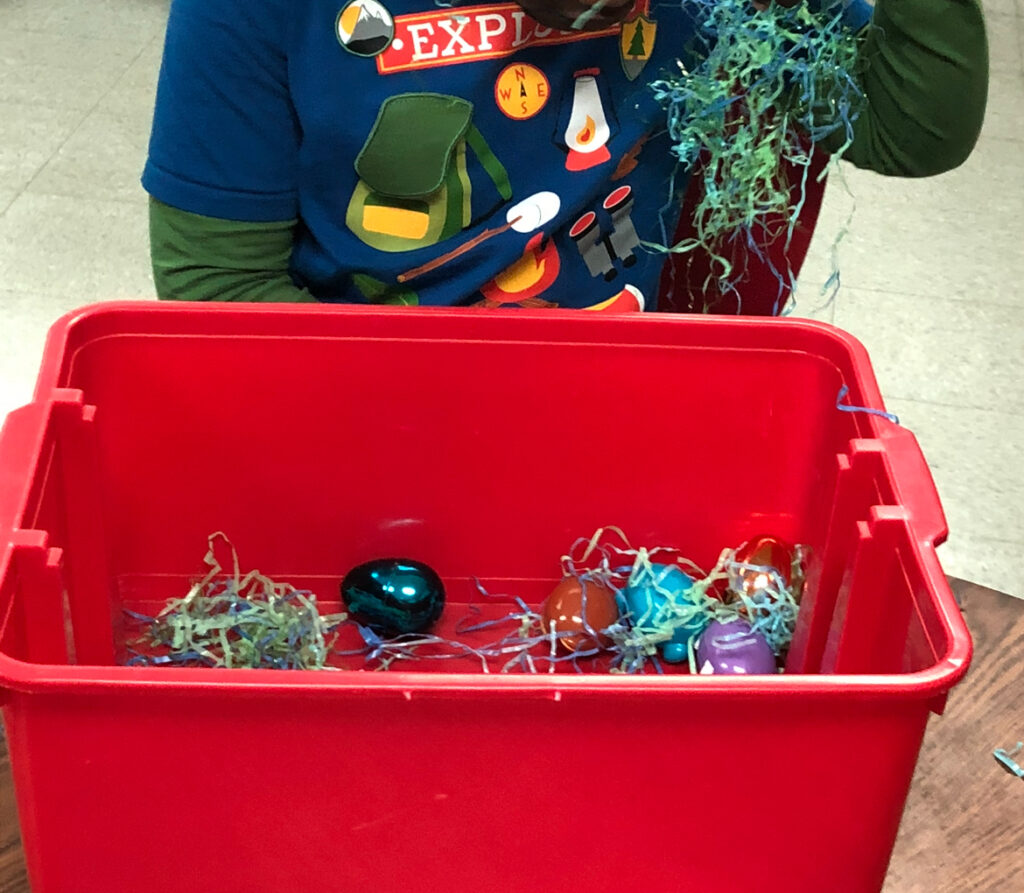
red bin with Easter grass and Easter eggs being used by a student as a sensory bin

Easter grass is always a fun sensory bin! This one ended up more on the floor than in the bin, but I love to hide things in the plastic Easter eggs for students to get some bilateral fine motor practice in while playing in the bin. This one is an easy, low prep crowd pleaser! This year, I plan to add the FREE Easter Colors File Folders resource to a similar bin!
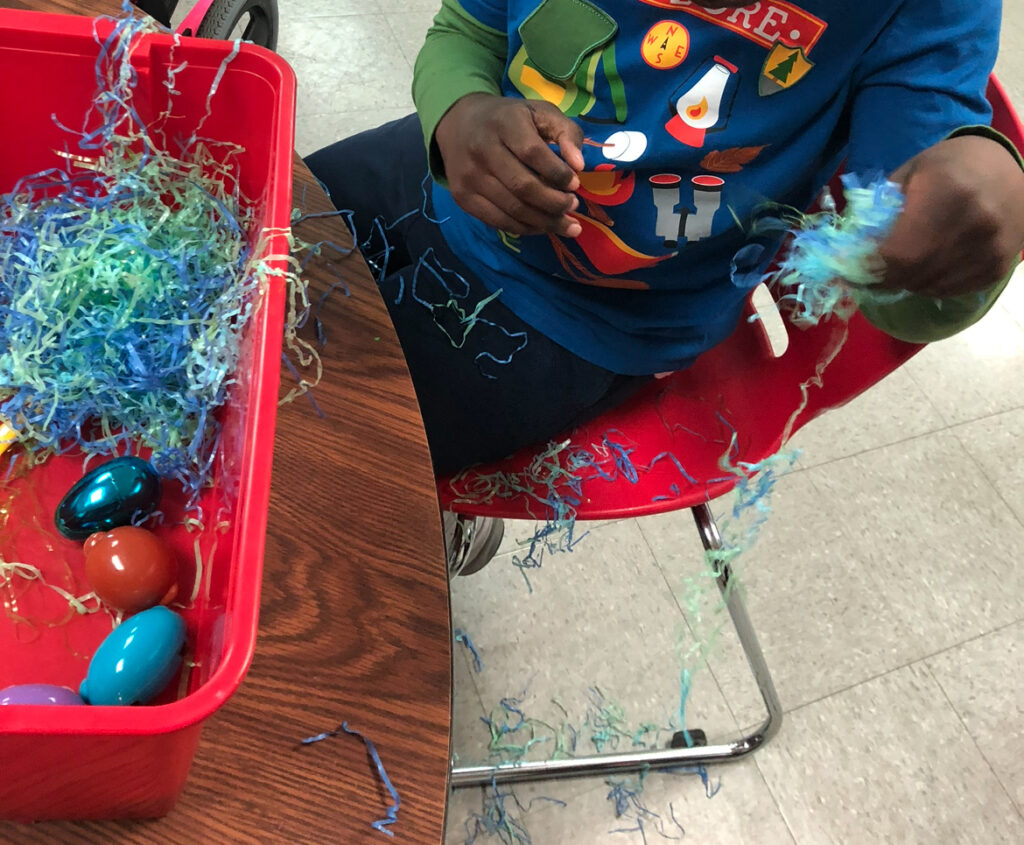
Red bin with Easter grass and Easter eggs being used by a student as a sensory bin. Student sprinkles Easter grass on the floor beside him.

April Showers

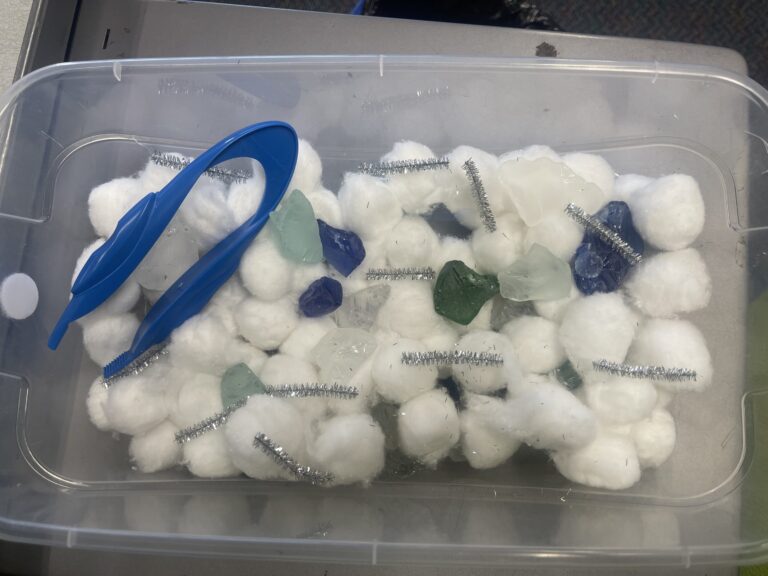
cloudy sensory bin made with cotton balls, pipe cleaners and stones. Picture of the bin includes blue tongs for fine motor

SSE blogger, Erica, blogs about weather-themed sensory bins and has a ton of great ideas! Rainy vs. sunny bins is a great idea for spring! This is a great time to get some temperature sensory experiences involved as well! Consider freezing water beads [affiliate link] or warming materials before putting them in the bin for a new sensory experience.

rainy sensory bin including a wet sponge to squeeze as "rain" [hand pictured squeezing sponge] into a bin with shaving cream

Nature

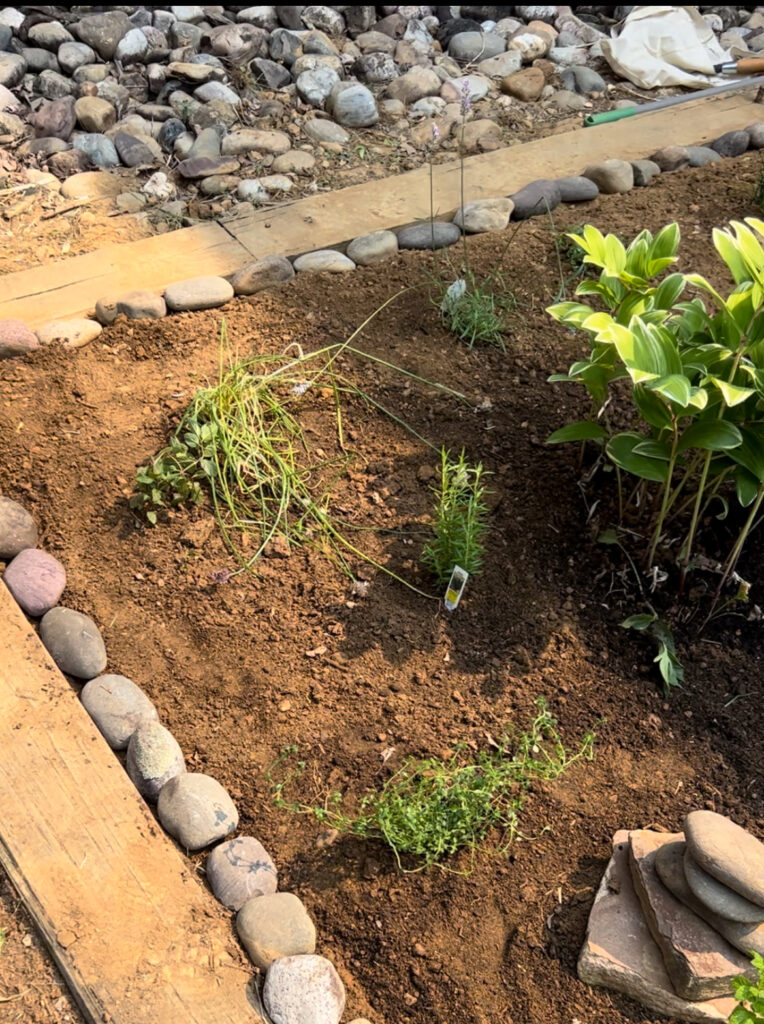
sensory garden that can be used as parts of a sensory bin. Rocks line the  raised bed with small green plants that had just been planted.

My district worked on a sensory garden for students last spring/summer. While one could argue that the garden itself is one big “sensory bin”, you don’t have to have a full garden to make this into a classroom-sized sensory bin idea! Here are some things to add to a nature/garden-based sensory bin:

  • Dirt/mud
  • Rocks/pebbles
  • Water
  • Herbs/plants with a smell [ex: lavender]
  • Seeds
  • Plants with textures [ex: lamb’s ear]
  • Fake or real flowers with bright colors
  • Gummy worms/fake bugs
  • Gardening gloves
  • Shovels and/or tweezers

Activities & Academic Tie-Ins

Sensory bins can work on any academic skill that you’d like! While I often seek to target fine motor skills or sensory processing skills with my sensory bins, I also typically throw in some academic content. Typically, for me, that looks like adding letters into the bin! Many of my students have goal related to handwriting, so this can be a fun way to target different letters!
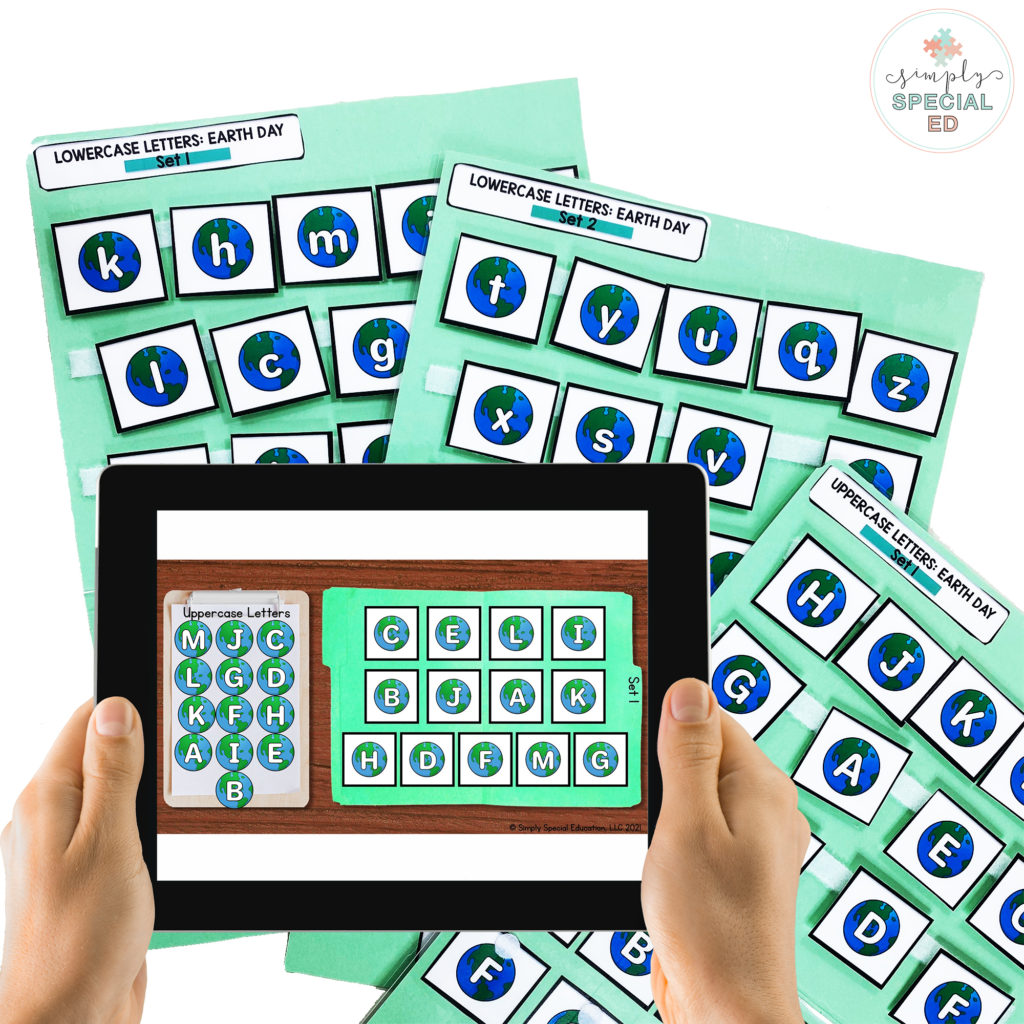
Earth Day file folder resource in digital and print copies.  Earth pictures with uppercase and lowercase letters on them

I love this FREE file folder resource [pictured above] for spring sensory bins! Have students identify letters, match upper/lowercase, trace [see multi-sensory ideas in this blog], copy/write, etc. the letters they find in the bin! SSE blogger, Whitney, incorporates academics similarly to how I do [see her blog here], but in her classroom setting instead of occupational therapy (OT) sessions!
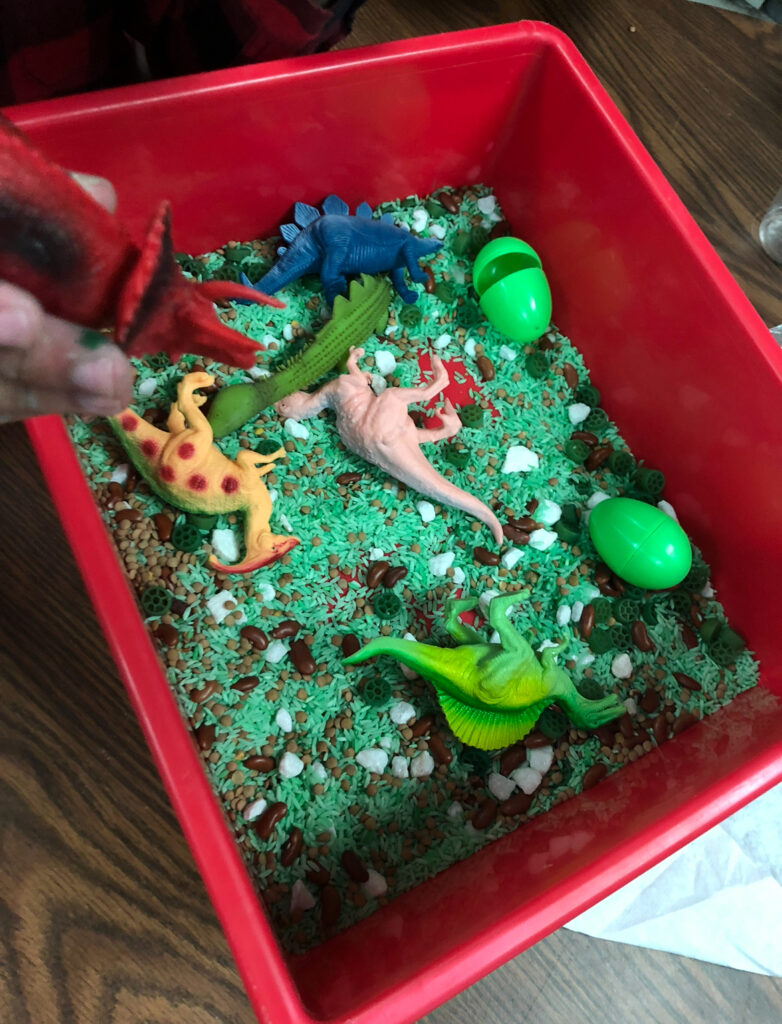
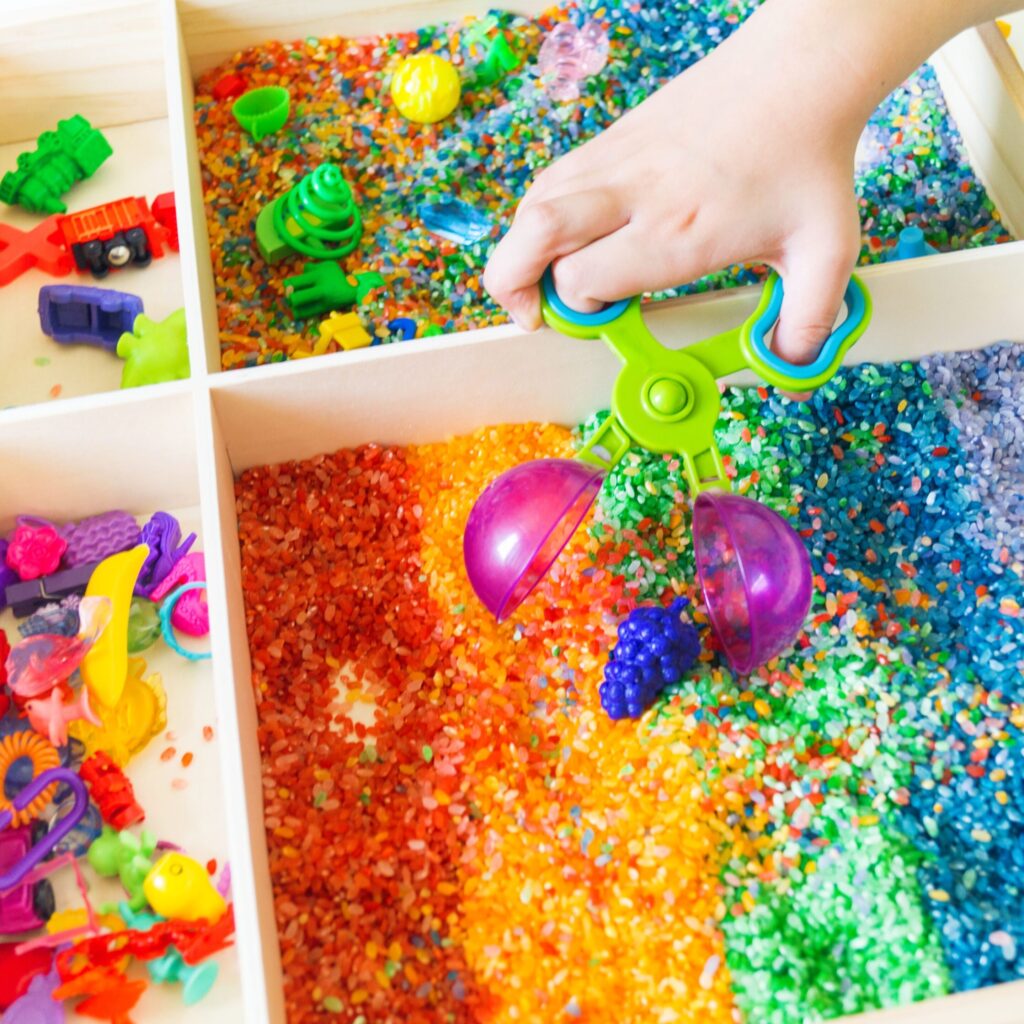
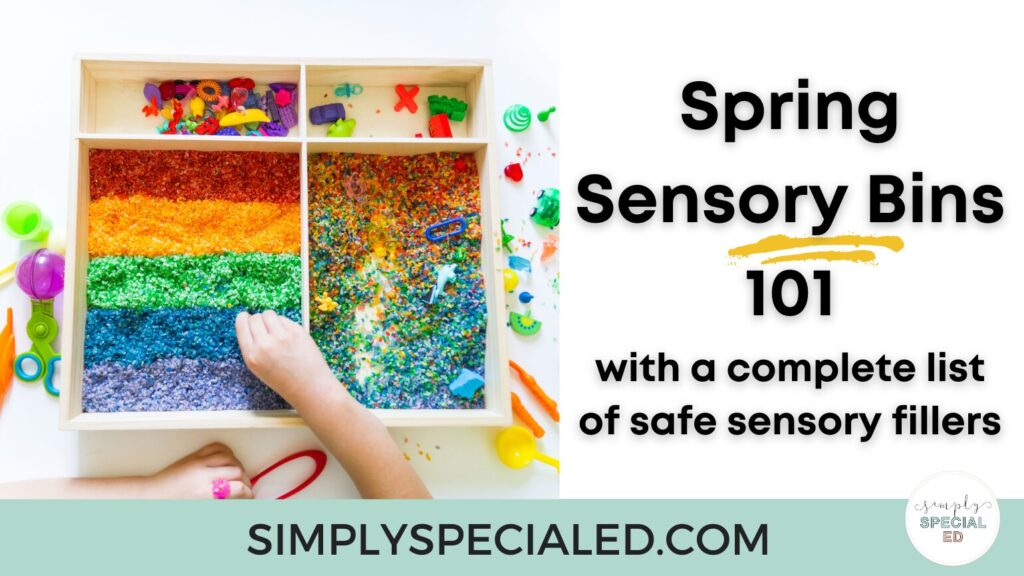
spring sensory bin with green dyed rice, beans, plastic eggs and dinosaur toys

Safe Sensory Bins Fillers

Safety is key when we are thinking about sensory bin fillers! Even though we love a good theme, if we are working with students who may put the filler in their mouth, we need to consider the size and toxicity of the filler [Reminder: NO kidney beans!]. As always, please check with families for allergies. I always practice hand washing before and after sensory bin use [especially if it is a shared bin].

Here are some of my favorite editable/safe fillers to consider:

  • Cooked spaghetti or other noodle [you can food dye it too!]
  • Rice [easy to dye in large quantities – try scenting it!]
  • Dry pasta, cereal, beans, seeds, oatmeal
  • Holiday sprinkles or cake decorations
  • Cool Whip or whipped cream [same ideas as shaving cream]
  • Water or snow [make your own snow with SSE Sensory Visual Recipes]
  • Ice cubes [you can freeze in different shapes or hide something in a frozen mold!]
  • Frozen foods [ex: peas, blueberries]
  • Easter grass or tissue paper [or shredded/crumbled/hole-punched paper – have students do this!]
  • Homemade play dough [this is great to scent too – blog on peppermint sensory bins here!]
  • Cotton balls or pom poms
  • Gift wrap bows [see my Holiday Sensory Bins]

There are millions of ways to engage all types of learns working on a variety of different skills through sensory bins! Find more budget-friendly sensory bins on this blog! Share your favorite ideas below in the comments!

Related Posts:

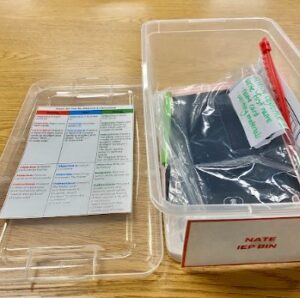
  • IMG_1337
    How to Set Up IEP Goal Bins to Simplify Progress Monitoring
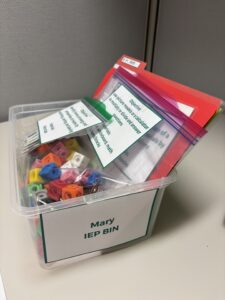
  • IMG_2542
    How to Set Up IEP Goal Bins for Easy Progress Monitoring
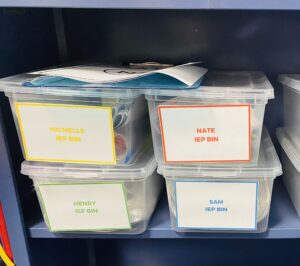
  • bin4
    How to Prep IEP Goal Bins for Back to School
Share
Pin


« Working with ELLs in the Self Contained Classroom
How to Attend Assemblies with Success »
Hi amazing teachers!
I'm Alyssa Shanahan -- a former Elementary Special Ed & Life Skills teacher. My classroom focus was always to keep things simple, increase communication, and build independence. Simply Special Ed's goal is to help teachers and students reach their full potential in and out of the classroom!

Sign up to receive exclusive tips,
free resources, and more!

Recent Posts

FBA's in Special Education

FBA’s in Special Education: What Are They and How Do You Do Them? (A Guide for Special Education Teachers)

10 Transition Tips for Special Education Classrooms

How to create a calm corner that actually get used

Setting Up Centers for Your High School Classroom

Visual Tools for Self-Contained High School

A Course that Changed the Way I Setup my Classroom

Copyright © Simply Special Ed 2026 · Design by Fancy Girl Design Studio

Copyright © 2026 · Simply Theme on Genesis Framework · WordPress · Log in

We use cookies to ensure that we give you the best experience on our website. If you continue to use this site we will assume that you are happy with it.