When determining the intervention to use, it is important to first know what is maintaining these behaviors. Unsure how to determine function of the behavior? Read this article first, and then come back here.
While these interventions can be helpful for any behavior challenge, they are specifically targeted to help decrease escape behaviors.
What is an escape behavior?
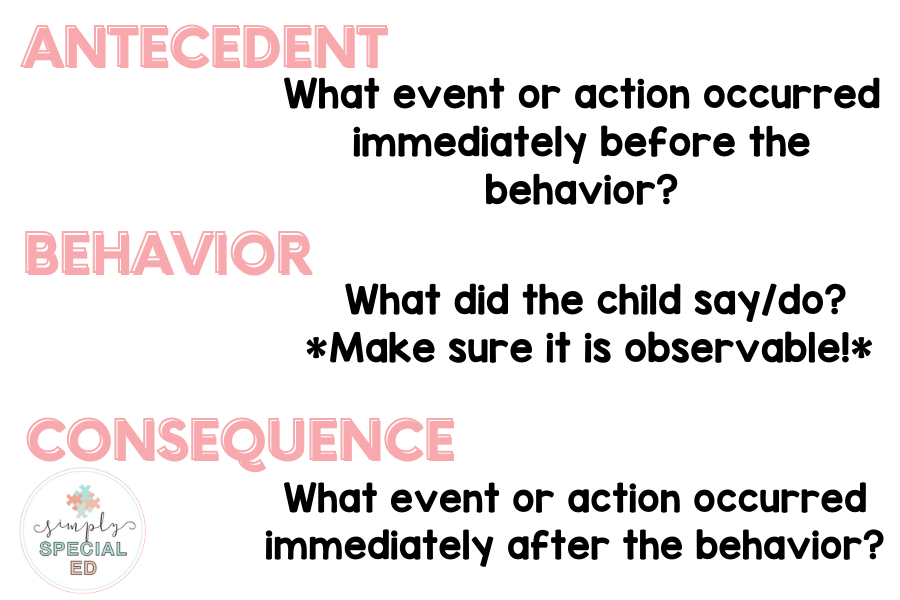
An escape behavior is any behavior that is done in order to avoid or “escape” a task or directive. Be sure to take ABC data to ensure that you are treating the correct function. Many escape behaviors may also seem to serve the function of attention. You can differentiate what is an escape behavior versus an attention seeking behavior based on the antecedents and the consequences.
3 Interventions for Escape Behaviors
1. Teach your students how to mand for a break.
The first reason escape behaviors take place is because the student needs a break and does not know how to ask for one. It is often easier for them to physically remove themselves (elopement) than it is to request a break.
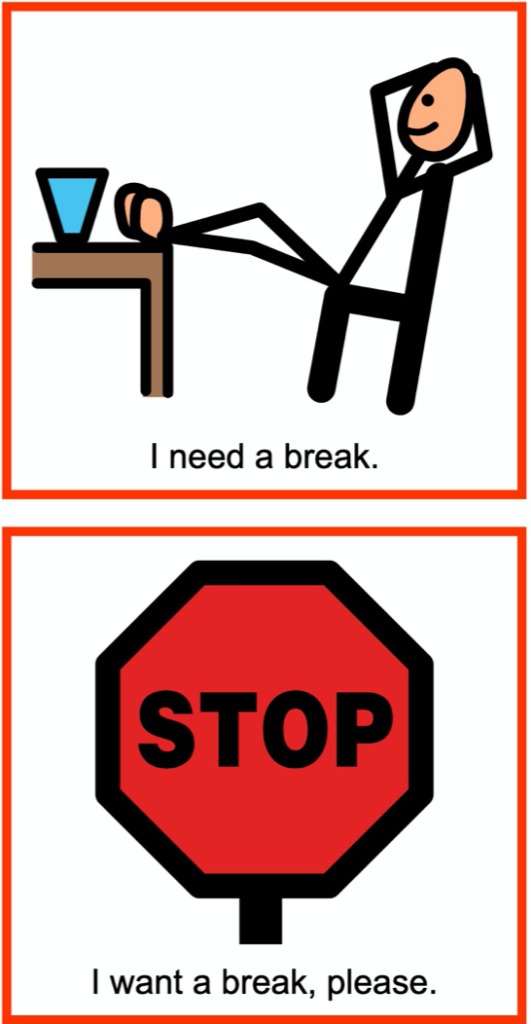
When teaching a student how to mand (request), you can have them do this verbally (if they are traditionally verbal) or non-verbally, with a picture card. I often like to teach all students, regardless of verbal ability how to use a break card so that it can be a nonverbal cue that can be used at all times.
When teaching how to use a break card, you will first want to program it so that the student is presenting the card, earning the break but also an additional reinforcer (something preferred). As you begin to notice the “break” time transitioning into being a conditioned reinforcer, you can fade out the other reinforcer.
2. Use a visual schedule to let your student know when it is time for break/when they will receive reinforcement.
Visual schedules are a great way to show students what they can expect from their day. On a visual schedule, you can show a student a glimpse or full picture of what the day will look like. Once you take your ABC data and know how often and around what times or subjects the behavior occurs, you can increase access to reinforcement or break during those times. You should show this to your student on the visual schedule so that they learn to expect it as well. If the student knows they will get a break after 5 math problems, they will be less likely to engage in escape behaviors.

3. Build student choice and/or special interests into the activities!
Every student has a favorite subject… and a least favorite subject. For our kids, this least favorite subject may be when we see escape behaviors increase.
In order to avoid this, have students choose when they want to work on this subject. By using limited choice (i.e. “We have to do math and reading, which would you like to do first?”) students are given some agency over their schedule while still completing everything they need to.
Including favorite characters, interests or topics in your activities can also increase engagement and decrease escape. You can do this is a ton of creative ways. See the examples below for some ways I am including special interests this year!
Examples:
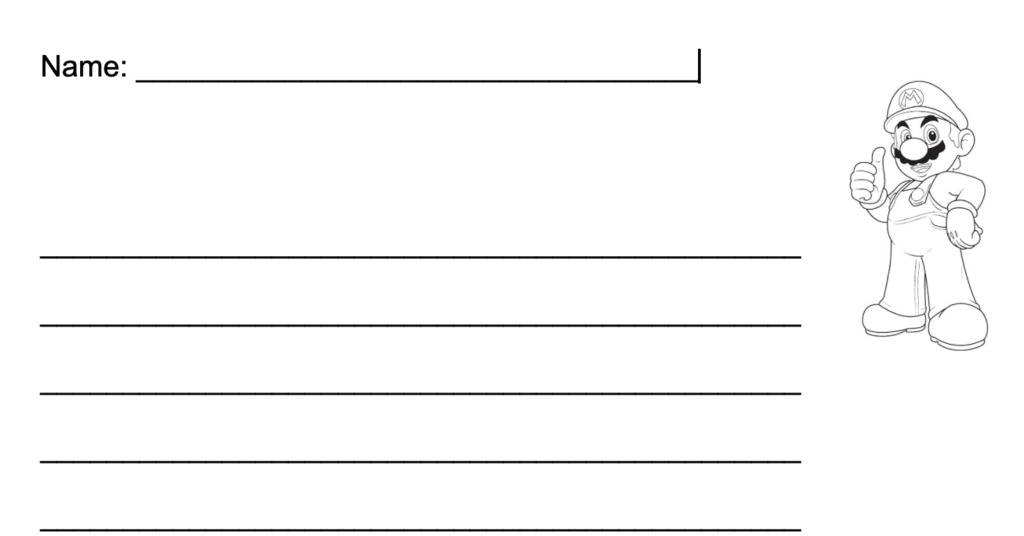
- For a student who does not like writing, but LOVES Super Mario, I made special writing paper with Mario characters on top!
2. For a student who struggles to remain engaged during math, but loves elevators, I have created word problems about elevators including his name!

Other Interventions Work Too!
These are by no means all of the interventions that would work for managing escape maintained behaviors. Timers, priming (preparing for transitions), differential reinforcement are other ways to target escape behaviors. Michelle also shares her 5 steps to manage challenging behaviors here.
What has worked for you in your classroom? Let me know in the comments!





I’m a sped teacher of 22 years. I’ve never had 2 years be the same. I love my kids, but am seriously struggling this year. I would greatly appreciate another sped teacher who could talk with me and help me rethink my classroom, in all ways. I feel like my room is. MASSIVE cross cat setting and I’m struggling.
If you are on Facebook, join the Simply Special Community group!
https://www.facebook.com/groups/427772547562014