• Home
  • Online Courses
    • Simple Self-Contained Setup 101®
      • Success Stories
    • Simple Centers System
    • Course Member Sign In
  • Shop Now
    • Shop Now
    • Free Resources
    • Gift Cards
    • Cart
    • Purchase Orders
    • School Licenses
    • My Account
  • Free Webinars
  • Blog
    • Academics
      • Adapted Books
      • Comprehension
      • Cooking
      • Crafts
      • ELA
      • ESY
      • Fine Motor
      • Life Skills
      • Math
      • Occupational Therapy
      • Science
      • Sensory Bins
      • Social Emotional Learning
      • Social Skills
      • Social Studies
      • Speech Therapy
      • Task Boxes
      • Vocabulary
      • Writing
    • At Home Learning
      • Digital
      • Remote Learning
    • Behavior
      • ABA
      • Communication
        • AAC
      • Data
      • Schedules
      • Visuals
    • Simple Classroom
      • Back to School
      • Book Recommendations
      • Classroom Setup
      • Freebies
      • IEP
      • Inclusion
      • Inspiration
      • Organization
      • Paraprofessional
      • Remote Learning
      • Seasonal
        • Fall
        • Winter
        • Spring
        • Summer
    • Tot School
  • Classroom Tours
    • Self-Contained
    • Speech
    • Preschool
    • Elementary Autistic Support
    • K-2
    • K-2 (Socially Distanced)
    • K-4 (Tiny Room)
    • 1-4 (Life Skills)
    • 2-3 (ABA)
    • Middle School
    • High School
    • High School (Life Skills)
    • Multiple Disabilities
  • New Teachers
    • Join My Online Course
    • First Year
    • Interviews
    • Job Search
  • Grade Level
    • Preschool
    • Primary
    • Elementary
    • Middle School
    • High School
  • More…
    • Meet Alyssa
    • Meet Our Bloggers
    • Collaborate
    • Guest Blogging
    • Contact Me
    • Disclosures
    • Facebook
    • Instagram
    • Pinterest

Simply Special Ed

Resource Downloads & Teaching Advice

Behavior Elementary New Teachers Preschool Primary Social Emotional Learning

Neuro-Affirming Practices in Positive Reinforcement

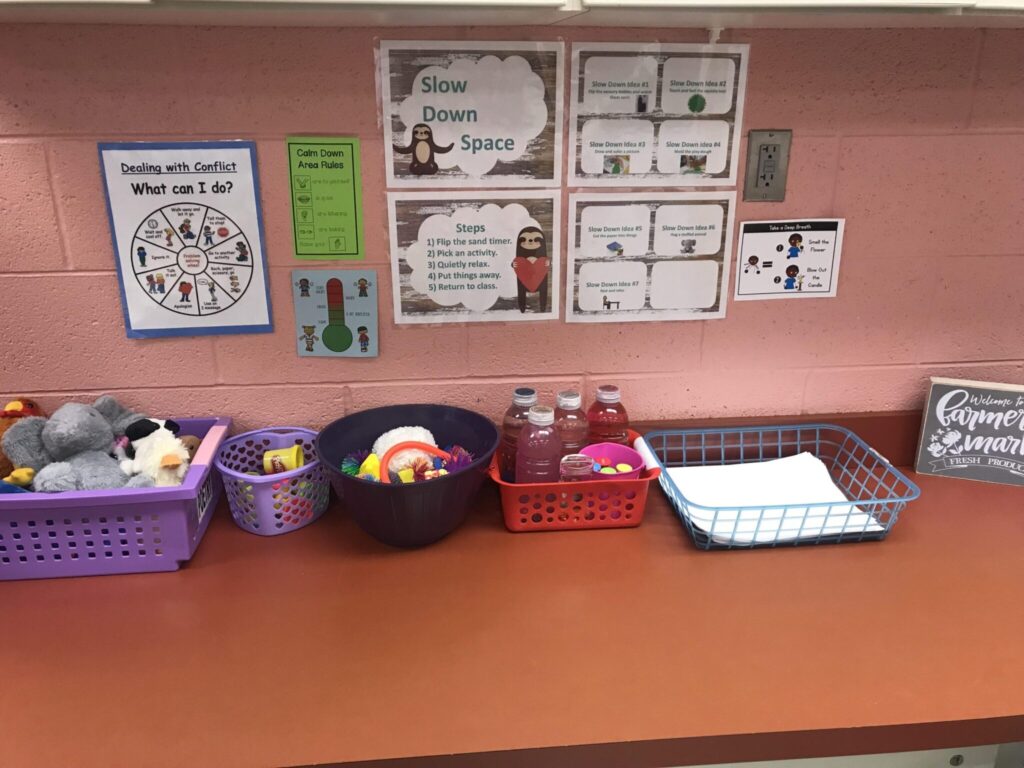
Image shows a variety of sensory tools to help students calm down

Positive reinforcement, when done in a way that is neuro-affirming, can be beneficial for students with disabilities. The focus should be on connection and valuing each student’s individuality vs. forcing compliance or control.

Read on to learn some ways to incorporate this into your special education classroom!
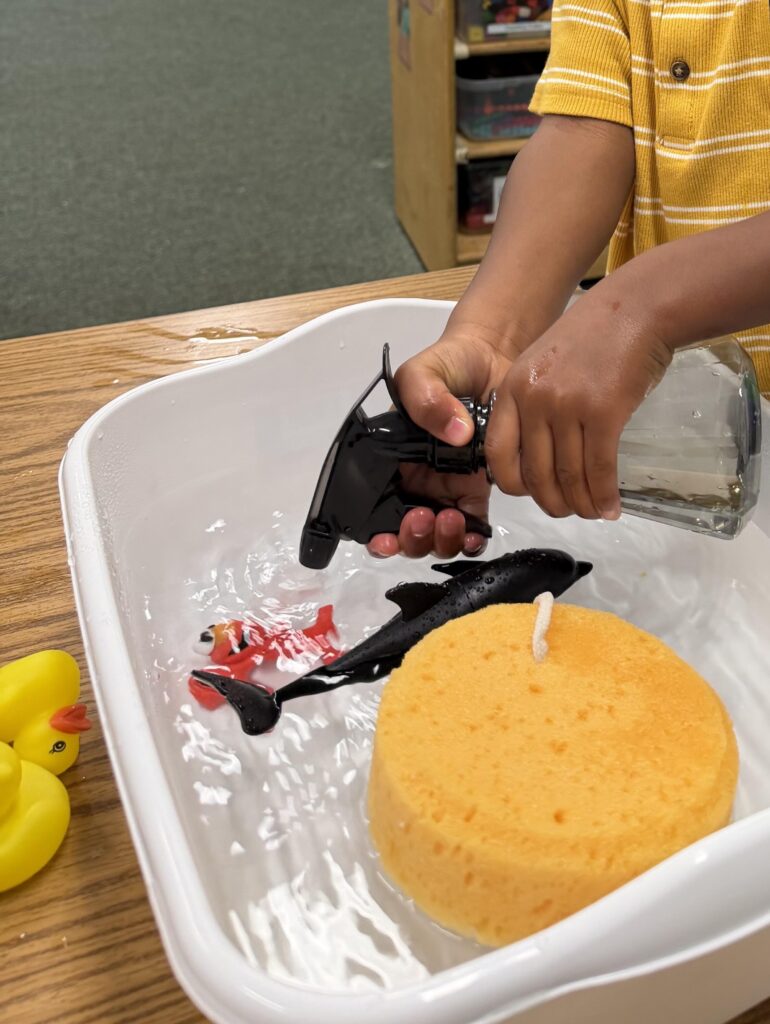
A student playing in a bucket of water with water toys

Focus on students’ individuality and be specific

Before students can trust you, listen to you, and learn from you, it is crucial to establish a connection. Relationship building should be the focus of the first few weeks of school. Get to know your students as people beyond just a number in your classroom. What are their interests and hobbies? Who is in their family? What is their preferred learning style? When you learn these things, you can then begin to incorporate them into your classroom.

Positive reinforcement is beneficial when it includes student interests. For example, if a student really enjoys drawing, you can have the student take a 10-minute drawing break when they achieve the goal you set for them. If a student enjoys Minecraft, they can be rewarded with a Minecraft brain break.

Acknowledge specific efforts they put into something. This may look and sound like “I love the way you used 3 details in your writing prompt like we learned in our ELA lesson. Would you like to take a drawing break?” vs. “Good job doing your work. You can take a break now”. This focuses on the student’s specific efforts (using details in their writing) instead of just compliance (you did your work like I asked).

The image above shows one of my students who enjoys water play having fun with water toys as a positive reinforcement tool.

Simply Special Ed has a blog all about how to learn about student preferences and blend that with positive reinforcement.
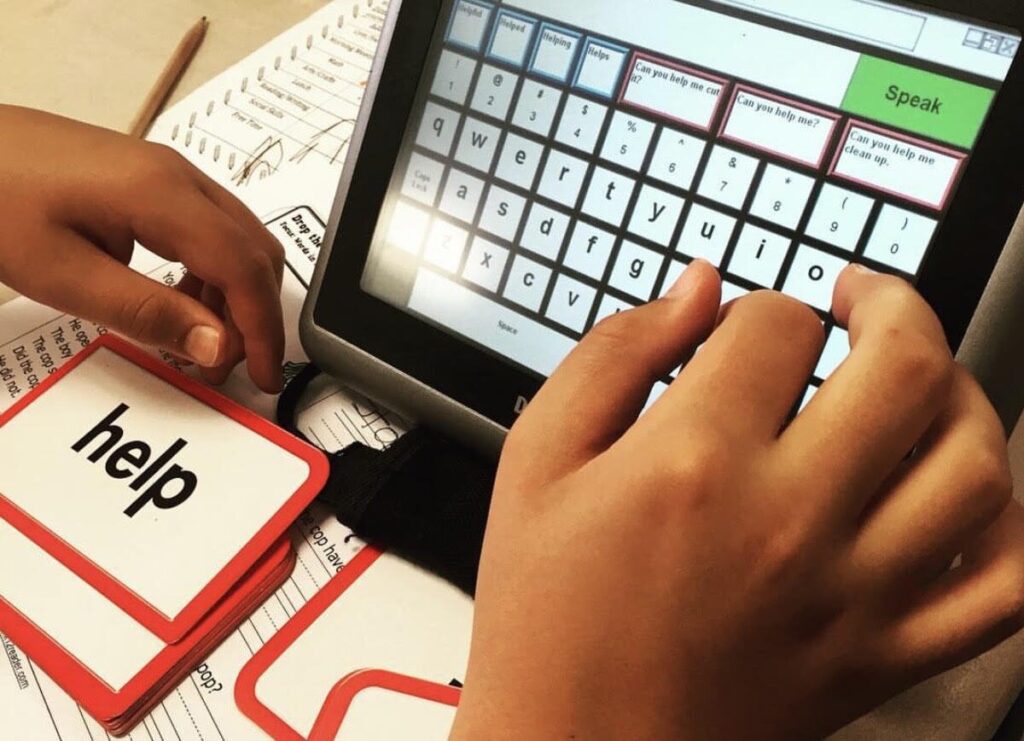
A student using an AAC device to spell the word "help"

Honor all communication styles

Students can communicate in all different ways. Some students may be non-verbal or non-speaking, but that does not mean they cannot communicate their feelings, wants, needs, etc.

One way to be neuro-affirming when giving positive reinforcement is to honor all of the ways students can communicate. Students can show their learning in a variety of ways. For example, if you are reviewing material with your class to prepare for an assessment, you may have a student raise their hand and answer verbally. You might say “Yes, you’re correct, awesome job!” That is one way to provide positive reinforcement when a student is verbal.

However, another student may circle the answer on a paper with different choices. They may draw a picture to show their answer, or give a thumbs up/thumbs down to answer yes or no. They may also use an AAC device, such as the student in the image above. This particular student was working on spelling his sight words using his AAC device.

There are many ways students can communicate, and those should be honored while providing positive reinforcement.
Related Posts:

  • Screen-Shot-2023-07-27-at-9.42.19-AM
    Trauma Informed Practices in Special Education
Share
Pin


Leave a Comment

« Your First Week in a Self Contained Elementary
How to Build a Visual Schedule that Actually Works »

Leave a Reply Cancel reply

Your email address will not be published. Required fields are marked *

This site uses Akismet to reduce spam. Learn how your comment data is processed.

Hi amazing teachers!
I'm Alyssa Shanahan -- a former Elementary Special Ed & Life Skills teacher. My classroom focus was always to keep things simple, increase communication, and build independence. Simply Special Ed's goal is to help teachers and students reach their full potential in and out of the classroom!

Sign up to receive exclusive tips,
free resources, and more!

Recent Posts

Center Differentiation Tips for Special Education Staff

How to Manage Finished Work and Task Boxes

Teaching Students to Work Independently From Day One

Writing Goals for Your Self-Contained Students: How to Make Them Work!

Your First Year in Self-Contained (Including What NOT To Do!)

My Favorite Tricks for Center Rotations

Copyright © Simply Special Ed 2026 · Design by Fancy Girl Design Studio

Copyright © 2026 · Simply Theme on Genesis Framework · WordPress · Log in

We use cookies to ensure that we give you the best experience on our website. If you continue to use this site we will assume that you are happy with it.