• Home
  • Online Courses
    • Simple Self-Contained Setup 101®
      • Success Stories
    • Simple Centers System
    • Course Member Sign In
  • Shop Now
    • Shop Now
    • Free Resources
    • Gift Cards
    • Cart
    • Purchase Orders
    • School Licenses
    • My Account
  • Free Webinars
  • Blog
    • Academics
      • Adapted Books
      • Comprehension
      • Cooking
      • Crafts
      • ELA
      • ESY
      • Fine Motor
      • Life Skills
      • Math
      • Occupational Therapy
      • Science
      • Sensory Bins
      • Social Emotional Learning
      • Social Skills
      • Social Studies
      • Speech Therapy
      • Task Boxes
      • Vocabulary
      • Writing
    • At Home Learning
      • Digital
      • Remote Learning
    • Behavior
      • ABA
      • Communication
        • AAC
      • Data
      • Schedules
      • Visuals
    • Simple Classroom
      • Back to School
      • Book Recommendations
      • Classroom Setup
      • Freebies
      • IEP
      • Inclusion
      • Inspiration
      • Organization
      • Paraprofessional
      • Remote Learning
      • Seasonal
        • Fall
        • Winter
        • Spring
        • Summer
    • Tot School
  • Classroom Tours
    • Self-Contained
    • Speech
    • Preschool
    • Elementary Autistic Support
    • K-2
    • K-2 (Socially Distanced)
    • K-4 (Tiny Room)
    • 1-4 (Life Skills)
    • 2-3 (ABA)
    • Middle School
    • High School
    • High School (Life Skills)
    • Multiple Disabilities
  • New Teachers
    • Join My Online Course
    • First Year
    • Interviews
    • Job Search
  • Grade Level
    • Preschool
    • Primary
    • Elementary
    • Middle School
    • High School
  • More…
    • Meet Alyssa
    • Meet Our Bloggers
    • Collaborate
    • Guest Blogging
    • Contact Me
    • Disclosures
    • Facebook
    • Instagram
    • Pinterest

Simply Special Ed

Resource Downloads & Teaching Advice

Academics Blog Life Skills Preschool Social Skills

Play Supports in the Special Ed Classroom

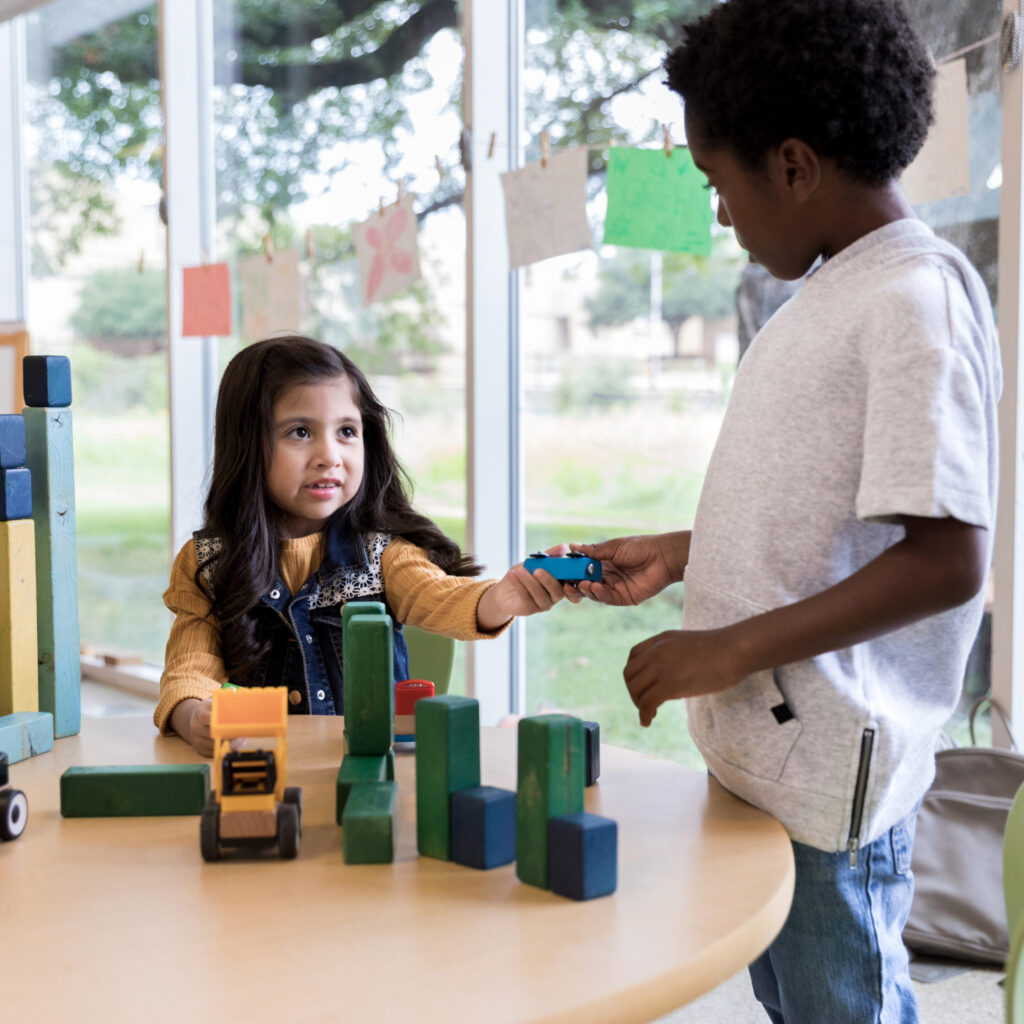
Structured and unstructured play can be difficult for students with special needs. If a student is unable to play with toys during structured leisure time independently, structuring the activity and then fading away the supports is a great strategy.
Why is play important?

Play is an important skill to learn for development. The benefits of using play in your early childhood classroom has many benefits:

  • Social interaction with pers
  • Focusing attention
  • Respecting boundaries
  • Turn Taking
  • Following rules
  • Build confidence
  • Understand how the world looks
  • Develop life skills
  • Develop social skills
  • Increase language development
  • Increase Communication
  • Caring for others
  • Physical and Fine motor skills
  • Build cognitive experience and connection.

Remember, break time is just that… a BREAK.

If your student is on a break, they should not be doing work…. unless they choose it.

If a student enjoys the play visual supports and selects it for a break, then sure they can do it… but if they want to play with Mr. Potato head by lining up the pieces… it is their leisure time to do just that. We do not structure a students break time or make rules about free play.

How to Teach Playing with Specific Toys

Many toys have a set of norms for how to play with them. If students do not develop these play skills by watching others, visual supports are helpful. Here are some ideas for visual supports for play with specific popular toys.

How to Use Play Visual Supports

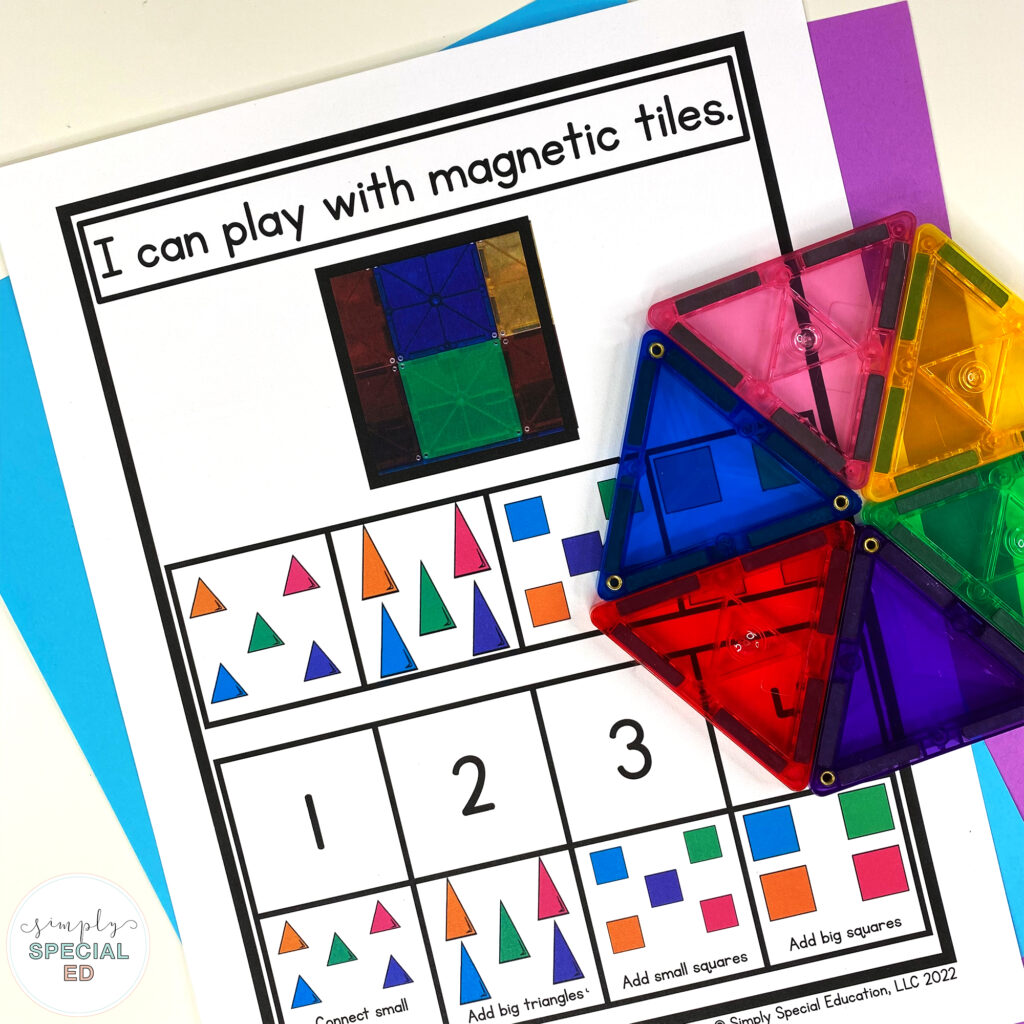
Support students with play-related IEP goals and increase student independence, language, and social skills. 

This resource targets specific language related to each play skill, making it a great resource for special education and speech therapy.

These play visuals will give you specific skills to teach and take data on when focusing on play skills and IEP goals.
Ways to Use

Allow the student to choose a visual to target a specific skill with each activity.

Show the student the 4 steps to complete the structured activity in order.

What’s Included in this resource?

Each play instruction includes 2 levels:

Level 1: Students will move the Velcro pieces to the number to complete the task analysis.

Level 2: Students can cut and paste the worksheet for the steps to review after completing the activity during leisure time.

Where can I get these?
Play Visual Supports on TPT

Play Visual Supports on SSE

Related Posts:

  • Play Dough Featured Image
    How to Use Play Dough in the Classroom
  • shapes play
    Play-Based Teaching: What is it and how to do it in…
  • Image featuring a teaching standing in front of a class of 7 students
    5 Tier-1 Supports to Use in Your Classroom
Share
Pin


« Sensory Tools for Elementary Classrooms
How to plan for a community outing with your multiple disabilities classroom »

Comments

  1. Danielle says

    February 28, 2023 at 10:42 pm

    Hi Alyssa! I love the play visual supports, especially the one for the magnetic tiles. What an easy way to reinforce play and socials skills. I also like how it you can not only teach the skill, but also collect data on it with this resource. I will definitely check it out on TPT.

Hi amazing teachers!
I'm Alyssa Shanahan -- a former Elementary Special Ed & Life Skills teacher. My classroom focus was always to keep things simple, increase communication, and build independence. Simply Special Ed's goal is to help teachers and students reach their full potential in and out of the classroom!

Sign up to receive exclusive tips,
free resources, and more!

Recent Posts

FBA's in Special Education

FBA’s in Special Education: What Are They and How Do You Do Them? (A Guide for Special Education Teachers)

10 Transition Tips for Special Education Classrooms

How to create a calm corner that actually get used

Setting Up Centers for Your High School Classroom

Visual Tools for Self-Contained High School

A Course that Changed the Way I Setup my Classroom

Copyright © Simply Special Ed 2026 · Design by Fancy Girl Design Studio

Copyright © 2026 · Simply Theme on Genesis Framework · WordPress · Log in