Interested in a co-teaching pre-k position? Are you a new co-teacher and are looking for more information or tips? Two teachers, one room equals benefits for student AND teachers. Keep reading to learn more!
The 5 Co-Teach Models
The 5 Co-teach Models are: team teaching, station teaching, parallel teaching, alternative teaching, and teach and monitor. Have you heard of these before? These are the models my district trained me on. Briefly, team teaching is when both teaching provide instruction at the same time and/or take turns. Station teaching occurs when each teach works with a small group and students rotate. Parallel teaching is when each teacher is working with an equal size group at the same time. Alternative teaching happens when one teacher instructs the whole group, and the other teacher delivers an alternative lesson to a smaller group of students for a specific instructional purpose.
Lastly, teach and monitor is not used very often, and it means that one teacher is keeping data while the other teachers’ purpose is to gain information for data purposes . If you’re unfamiliar with these co-teach models, the first step would be to research them further to better understand your new position.
Communication & Collaboration
Once you know all things co-teach, the second step would be communicating and collaborating with your co teacher. Now, I do not ever think you and the other teacher must be best friends… but there should be mutual respect and open communication for the classroom to run smoothly.
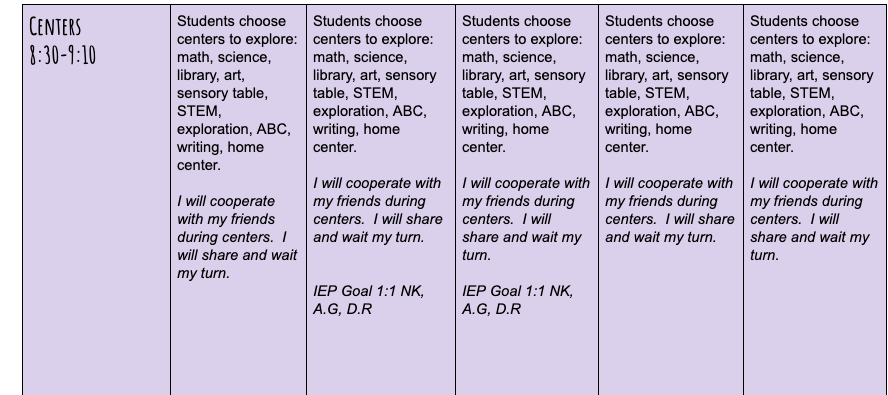
Things to communicate with your co-teacher about are: lesson planning, co-teach models, informing and training general education teacher on IEPs (individualized education plan), classroom theme, transitions, routines and so much more. There is so much information to review to help you both on the same page. TIP: Set up a weekly day/time to intentionally plan for the week together. Do you currently have a scheduled time to lesson plan with your co-teacher?
Parent Communication
Teaching Pre-K means a lot of emails and phone calls to parents…but in a good way. Parents want information and should be given that information and be kept in the loop. Both teachers will collaborate when it comes to parent communication, newsletters, workshops, planning for center and input for IEPs are needed from both teachers.
TIP: Work on being flexible. Enter with an open mind and work on compromising with your new coworker. For example, if one teacher prefers to make calls let her be the one to make the check in calls. If the other teacher prefers to create and publish a class newsletter than let that be his or her thing. This way is does not always fall on you. It is a positive thing! Do you use an app to communicate with parents? We have one that we love that allows us to send pictures and even group chat (both teachers) with the parents. This ensures we’re both in contact with parents and kept in the loop.
Check out this Blog “5 Ways to Communicate with Parents” here.
Benefits
In my opinion, one of the best benefits is reduced teacher to student ratio. Our blended Pre-K classroom has a total of 4 staff members! Yes, four (2 teachers and 2 aides). Seems like a lot, right? This helps tremendously with classroom management and small group instruction throughout the day. This also provides the teachers flexibility when it comes to lesson planning, data tracking and really teaching. For example, if a teacher lost her voices the other teacher can easily pick up where she left off. If a teacher is absent, the other can hold down the room. TIP: Respect boundaries, never assume. Make sure you ask/clarify that you will be taking over in that situation.
Additionally, a blended, co-teach classroom allows for both educators to combine their expertise to plan content, plan instructional delivery, collaborate on strategies, and keep up with progress monitoring. Co-teach classrooms usually lead to greater student engagement, more balance and time for teachers since they are splitting the responsibilities. Sounds ideal, don’t you agree? TIP: Attend any workshops, training or join a co-teach book study to help you gain confidence in this position.
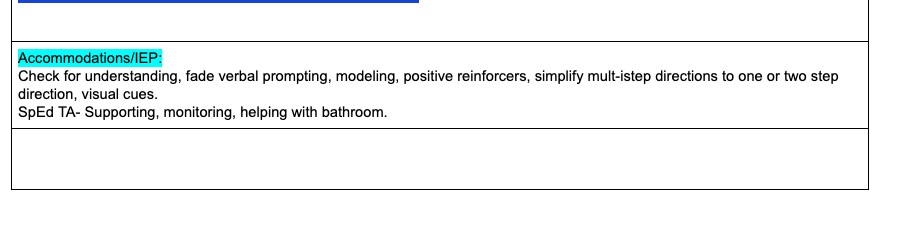
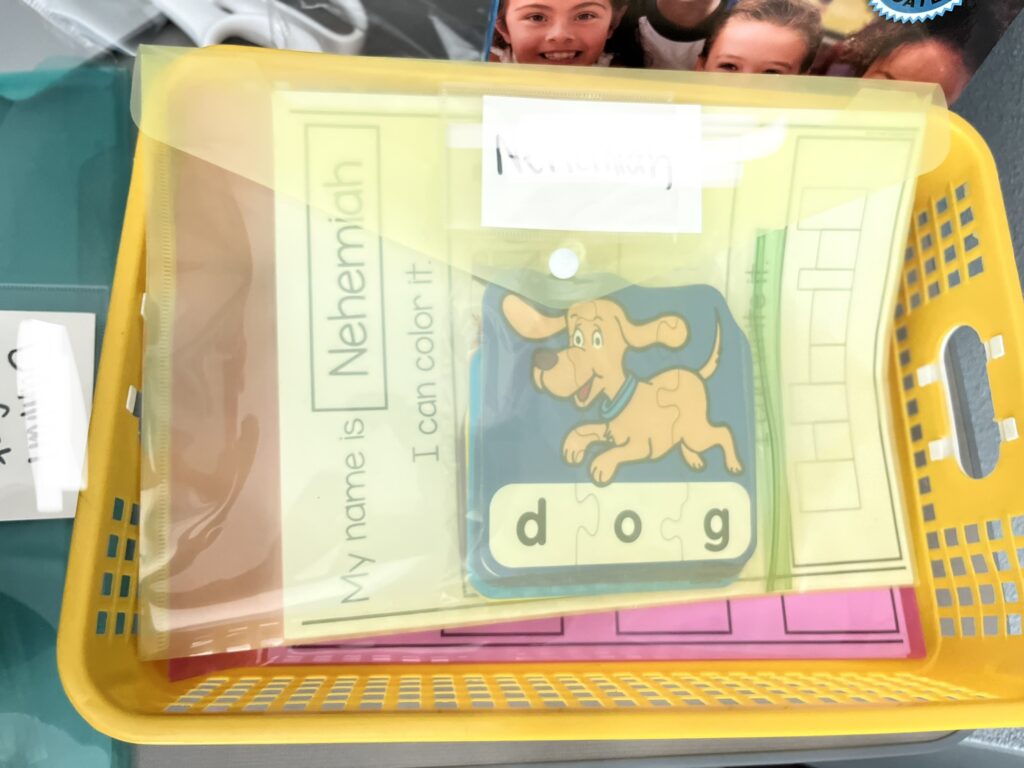
As the ECSE Teacher, I like that I have flexibility to to work with the students who need additional support due to the 4 staff members in my room. I also work with the students in the class who may need additional support as well. The special education students never stand out, all 4 staff members work with all students equally. I have IEP Bins for each students and usually work with them 1:1 for 10 mins or so depending on the activity and attention. It really feels and is inclusive. As a SpEd teacher that is what I want in my classroom.
Co-teaching is also fun! It is nice to have someone to plan with and nice to have many staff members in the room supporting our students.
Were these tips helpful? Would you consider co-teaching? Let me know in the comments!


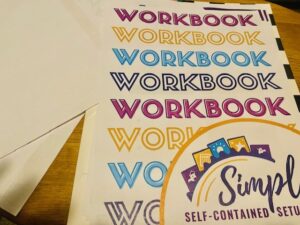

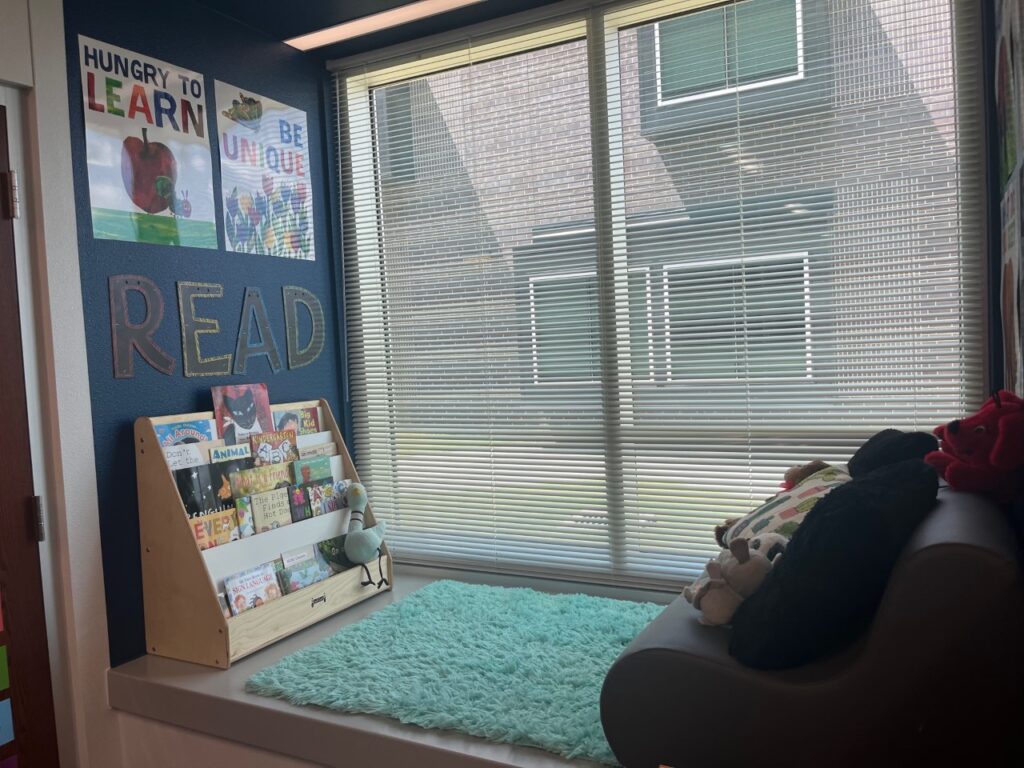
Great job! It is warm, creative and conducive to learning 🙌
Thank you so much!