Many people are familiar with student teachers in the school setting, but did you know that occupational therapy practitioners (OTPs) can have a similar “intern” called a fieldwork student! This blog will focus on tips and tricks with regards to hosting fieldwork students. I would encourage everyone [after you are situated and comfortable in your current position] to consider becoming a fieldwork educator [FWE]. It is not only a great way to teach the next generation of therapists, but also a great learning/growth experience for you!
Types of Fieldwork Students
Just a reminder: there are two types of fieldwork students: Level I and Level II. Students at both levels could be enrolled in occupational therapy assistant [COTA] programs at the associate or bachelors level or they could be in occupational therapist [OT] programs at the masters or doctoral level. For Level I fieldwork, the American Occupational Therapy Association [AOTA] does not mandate a specific number of hours. Therefore, each academic program determines its own time requirements for students, so check with local universities for more information. Level II fieldwork, however, must include a minimum of 24 weeks of full-time participation for OT students and 16 weeks for OTA students.
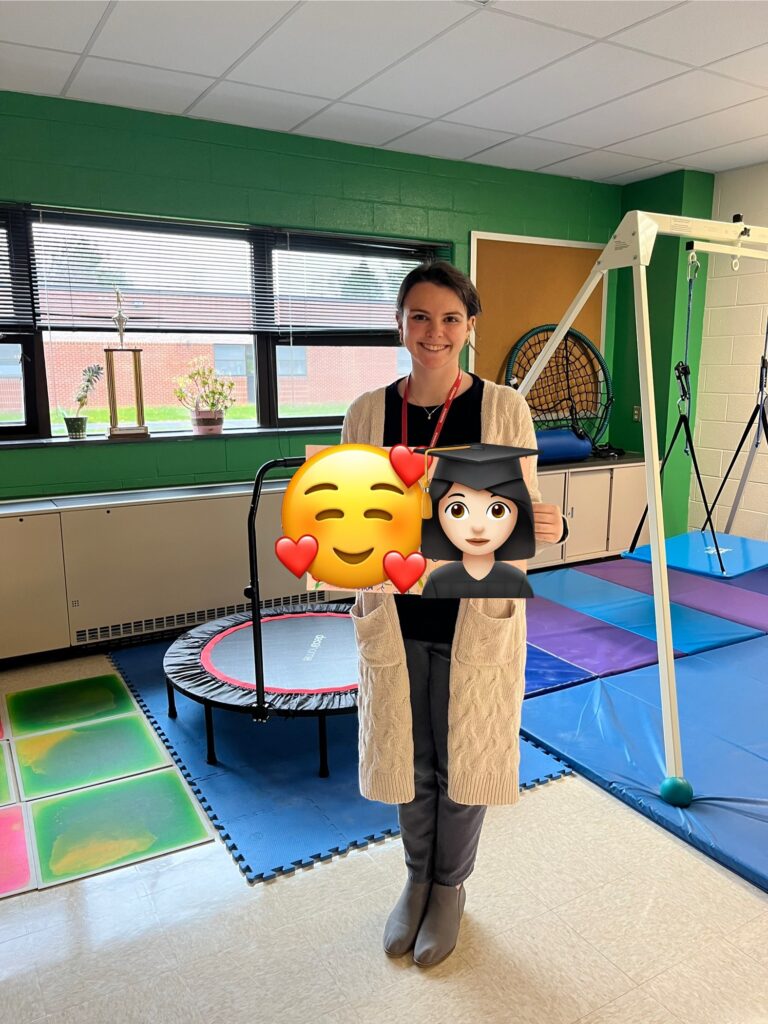
The local college that my school district partners with sends Level I students one day per week for four weeks. I have sometimes taken multiple Level I students at once [on different days of the week]. I have experience hosting three Level II fieldwork students so far. They were all at the master’s level. However, this fall, I will have my first OTD [doctoral] fieldwork student! For more information on the requirements for FWEs and students, check out the AOTA website as well as with the fieldwork coordinators at the schools with which you hope to partner!
Preparing for a Fieldwork Student
Many fieldwork sites have “fieldwork binders”. These are used to detail things like:
- Placement information [contact info, building policies/procedures, staff directory, etc.]
- Educational resources [handouts, “glossary” of terms used, documentation support, etc.]
- A week-by-week list of expectations [goals for the gradual role release]
- Reflections & assignments [some sites require weekly reflections or a culminating project]

I am currently working on developing one for my school district, so please send me all of your ideas! We currently have an informational hyper doc that includes links to a lot of this information, but are working to continue to streamline it. Things like schedules, data sheets, documentation examples, etc. are shared once the student comes in person. Prior to their placement, we hope that the student reviews information like:
- Dress code
- Arrival times/parking
- Terms/laws associated with school-based practice
- IEP vs 504
- IDEA [& other laws!]
- “Lingo” used in our autism support classrooms & behavior basics
- Our favorite OT social media accounts, blogs, podcasts, etc.
Be Prepared to Give Feedback

Those of us who are non confrontational may struggle with this, but the goal of fieldwork is for the student to learn. Therefore, you will have to discuss with your student strengths and weaknesses in their skills regularly! I like promoting some self-reflection as well. Typically, I have students plan out and then reflect on most of their sessions [at least initially]. I have them do it in a written format so that I can see their thought process and we can talk it out. This added structure has supported a clear understanding of expectations and a format for conversations.

Feedback is hard to give if students aren’t fully participating. While it might be hard [and nerve-racking], have your student jump in right away! Make sure they have opportunities to share at IEP meetings [or other meetings!]. Even if they are only running a “warm up” activity or building rapport, have them jump in with students on week one!
Other Considerations
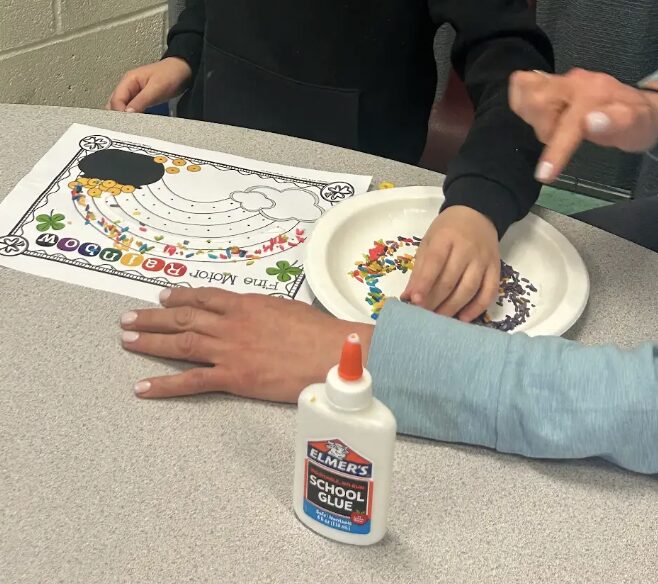
Each setting is very different, so take some time to figure out what works best for you! I like to have my students shadow other disciplines. They often shadow other OTs in our district as well as our physical therapist and several speech therapists. Seeing students they are treating on the OT caseload in their other therapy sessions/environments is really helpful. Fieldwork students are a set of extra hands! Think about all the things you want or need to do, but can’t because of large caseload size, timing, etc. Assign your student a project! Can they help you with an MTSS initiative? Maybe they have ideas for how you can create a better screening process in your district. The possibilities are endless, and now you have someone who can help! Also, if you don’t typically have access to research, have your student share their resources. Always stay up to date with evidence-based practices!