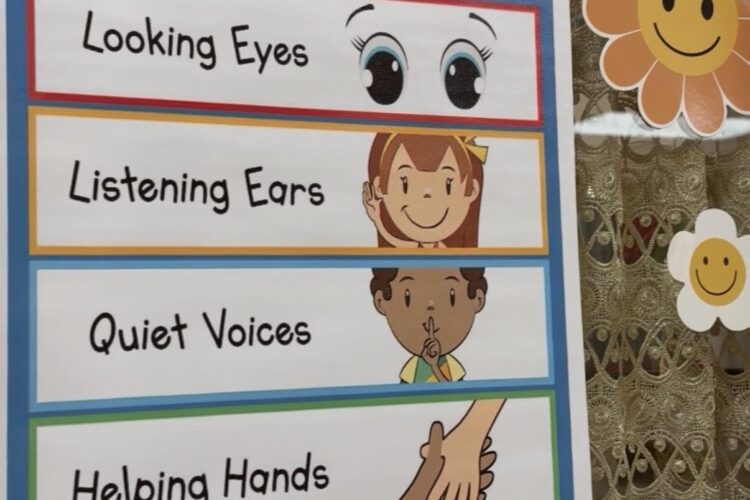
Visuals are helpful for all young students, whether they are in a general education or special education class. Since students most likely cannot read at this age and are still working on pre-academic skills such as identifying letters, visuals are an easy way for them to understand things that are going on in the classroom. Day one of school is the best time to start utilizing visuals! Ideally, some visuals will be already set up before students arrive for the year, and others will be added as ... continue reading...
Search Results for: morning meeting
How to Build a Visual Schedule that Actually Works
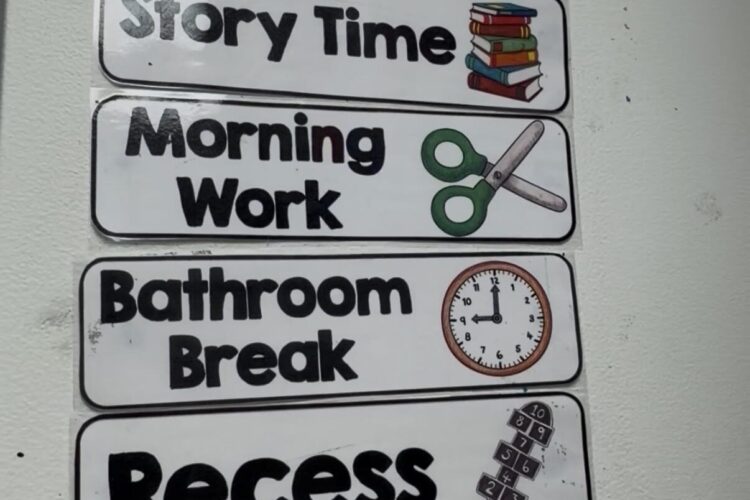
You may already be back at school, or you may be starting to think about setting up your classroom for the upcoming school year. Either way, August is a great time to freshen up your learning space and try new things. A visual schedule is a great tool for Special Education students, as well as all young children who are nonreaders. Sometimes, schedules can be put up and then just sit there all year. Here are some ideas to build a visual schedule that actually works for your students to build ... continue reading...
Your First Week in a Self Contained Elementary
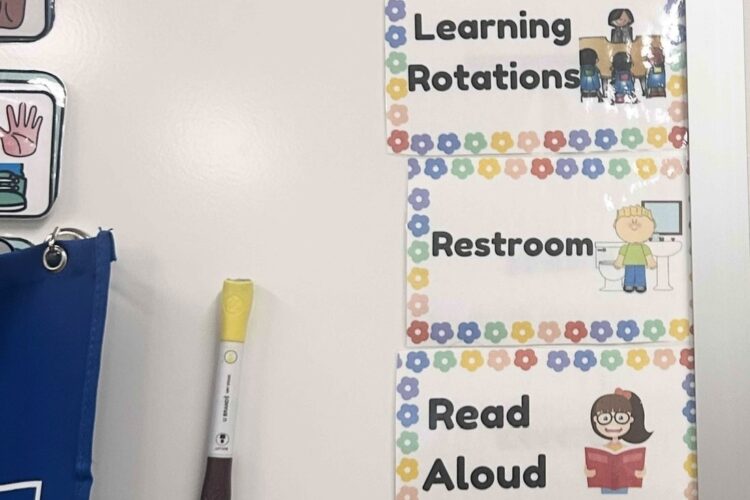
Whether you've been in a self contained elementary classroom for 20 years, or if this is your 1st year, welcome in! Starting the school year for anyone can be nerve wracking. I say this for teachers, students, and parents! But, starting the year in a self contained elementary class is a whole other ball game! I am going to give you a few tips and tricks about how I start my year in a self contained elementary classroom. I hope I am able to ease some nerves and you gain some tips on how to start ... continue reading...
Reducing back to school behavior challenges with predictable routines
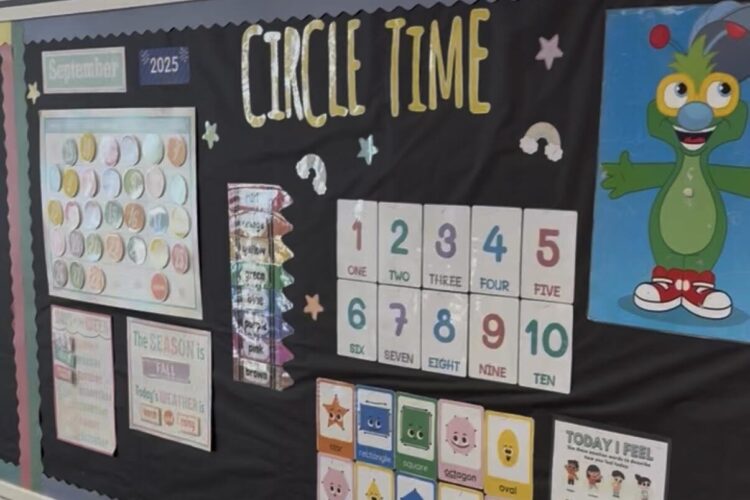
Back to school is an exciting but chaotic time for teachers, students, and families. All the changes can trigger behavior challenges in all students, especially those in a self-contained setting. Read on to learn some strategies to reduce those behaviors by having a predictable routine for different times throughout the day. Arrival and morning routines Students should know what is expected of them from the moment they walk in your classroom door. While this takes time, it is important ... continue reading...
Reducing Back-to-School Behavior Challenges With Predictable Routines
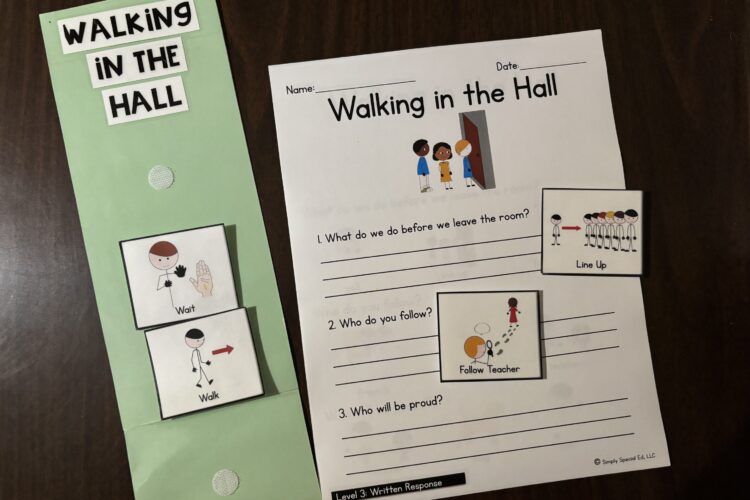
Predictable routines and consistent schedules are more important than you might think! Routines are intended to assist students with expectations, reduce behaviors, and keep disruptions to a minimum. Maybe your students have had a long break, or maybe they just finished up ESY and are returning for the new school year. No matter how long they've been out of the classroom, the beginning of a new school year can bring a bit of anxiety for our students, who can benefit from a refresh of ... continue reading...
5 Fun and Easy Centers to Launch in the First Week of School
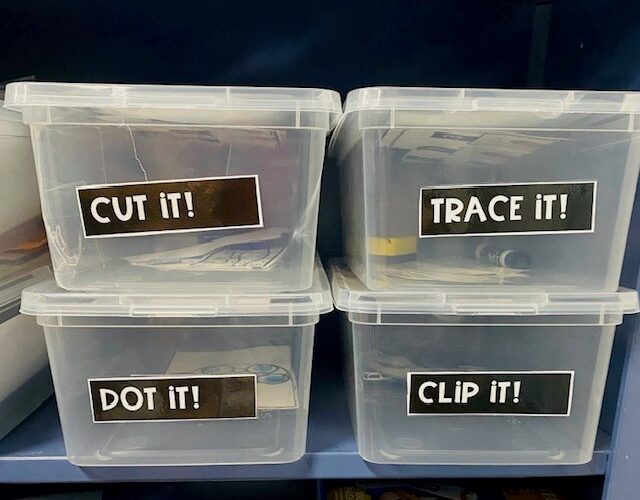
The first week of school is all about creating routines and expectations for students. This helps set you up for a successful school year! At the same time, we want to get to know our students, both as individuals and as learners. What is the best way to accomplish all this? By setting up centers in the first week of school! Keep reading to learn about some quick and easy activities you can implement right away! Setting Routines in the Classroom At the beginning of the school year is is ... continue reading...
How to Make ESY Planning Simple
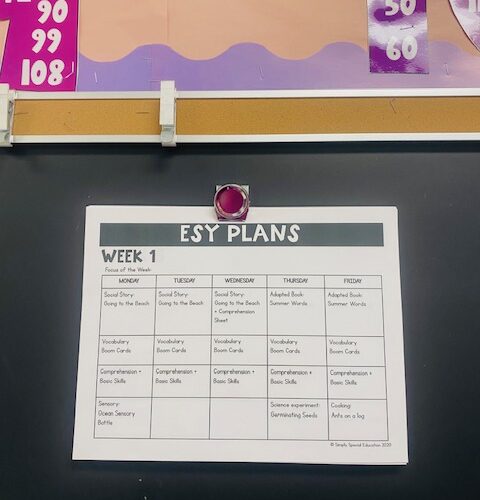
Teaching ESY can be such a fun experience for teachers! However, schedules, rosters, and expectations can be a lot different in the summer than during the school year. That makes planning for the extended school year seem like a bit of a challenge. But planning for ESY can be simple! Read on to learn some ways that you can plan ahead to have your best summer session ever! What is ESY? ESY is the abbreviation for Extended School Year. Extending the school year means that we are providing ... continue reading...
New to Teaching ESY? Read This First!
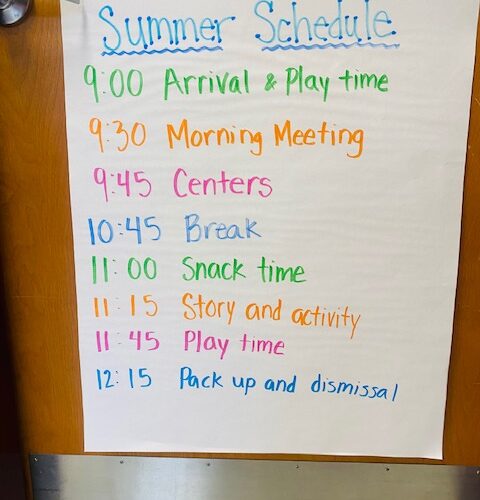
Teaching ESY is one of my favorite parts of the school year! As teachers, we get the special privilege of making our students' summers both educational AND fun. If you are new to teaching during this fun part of the year, don't worry! I have years of tips and tricks to share with you. Keep reading to get ready for the Extended School Year! What is ESY? ESY is the abbreviation for Extended School Year. Extending the school year means that we are providing services to students beyond the ... continue reading...
K-5 Autism Classroom Tour
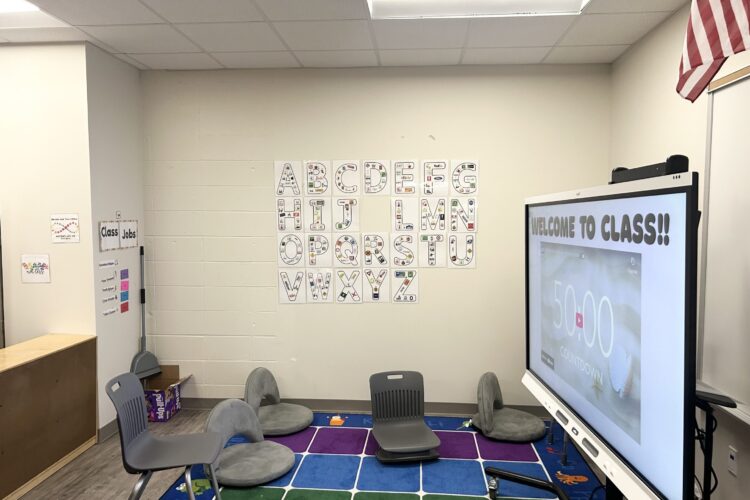
Come on in, and take a look around Mrs. B's K-5 ASD classroom tour! I teach a self-contained elementary (K-5) class for students on the Autism Spectrum who exhibit deficits in communication, behavior, and academics. Classroom setup can be stressful, time-consuming, and overwhelming! Make a plan, get some example ideas, and read all about how I set up my K-5 ASD self-contained classroom! A few things you will notice throughout my classroom are the physical separation of areas, the color coding of ... continue reading...
My 2nd Grade Self-Contained Classroom Schedule
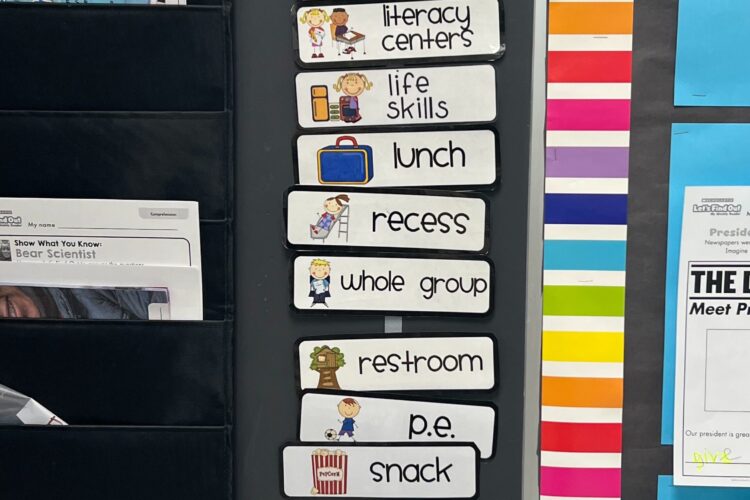
Creating a schedule for a self-contained classroom for both your students and your paraprofessionals can seem extremely overwhelming. However, once you get in the groove and have all the subjects covered, it becomes easier and easier each year! Below is an overview of my 2nd grade self-contained classroom schedule. The gray parts of my schedule are plan time, collaboration time, and my lunch. I will continue to break down the specific parts for you! Arrival Routine/Personal Info ... continue reading...
K-5 Self Contained Classroom Schedule
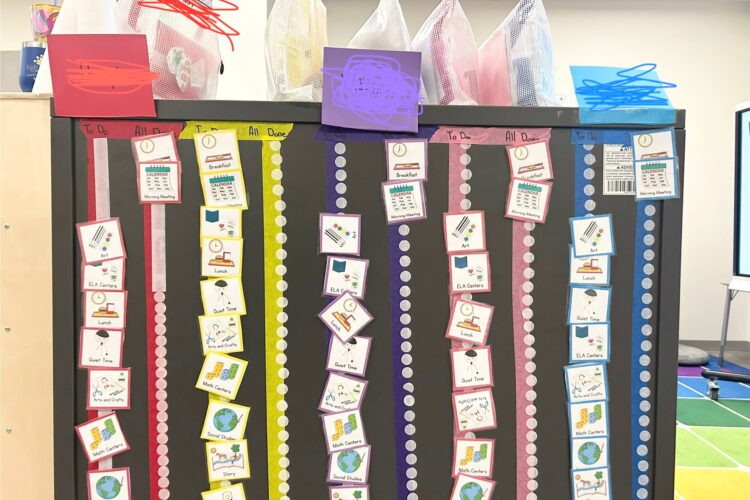
Let's take a walk through our day in a K-5 self-contained classroom! Our day has a lot of moving parts, and it is very structured. We also utilize a large whole-group visual schedule in the class as well as smaller individual visual schedules, so the students know when they are doing what activity. I also have many brain breaks embedded throughout the day, so that is why you do not see any on the schedule. 7:30-8:20 Students start arriving at 7:30! Once they arrive, they can eat breakfast ... continue reading...
Classroom Schedule for Elementary Self-Contained
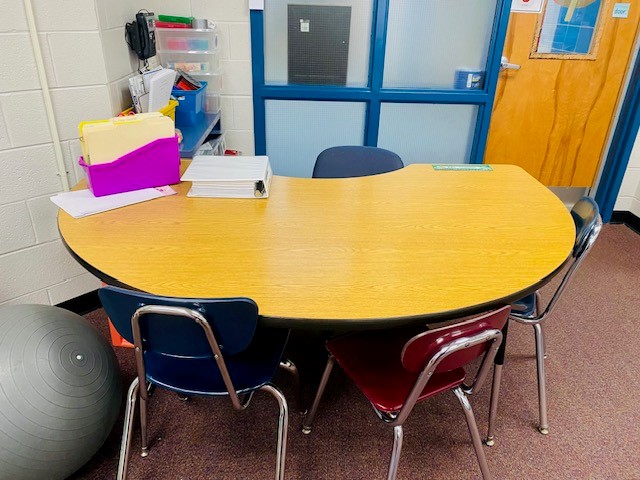
Welcome to my elementary self-contained classroom! Take a look at a typical day in our life with this schedule tour. Good Morning! As my students arrive for the day, they follow a simple morning routine that includes unpacking their backpacks and putting belongings away. All of my students arrive at slightly different times in the morning. So, while we are waiting I facilitate activities like board games and STEM-bins. It's a nice, slow start to our day, and I love being able to spend ... continue reading...
First Week in Self-Contained

The first week of school can be many things- exciting, overwhelming, and a whirlwind. This is especially true in a self-contained setting. Read on to find out some simple and effective activities and strategies to use for the first week of school. Learn students' interests It may sound obvious, but the first week is a great time to start getting to know your students. Of course, it will take longer than a week to build those relationships! Before jumping into the curriculum, time should ... continue reading...
A Day in the Life of a Self-Contained Teacher
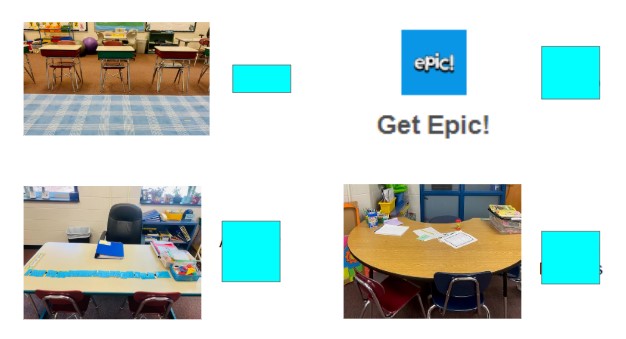
Welcome to my self-contained classroom! I teach students with multiple disabilities in grades 3-5 at a public intermediate school. Take a look at how a typical day in my self-contained room looks! Starting the Day I arrive at work about 15 minutes before my students arrive. I am not a morning person so I like to take my time at home! After setting up my computer and checking email, I ensure that all the materials I need are ready to go. And, I usually find some time to chat with my ... continue reading...
YouTube Movement Breaks for ECSE and Elementary

Movement breaks are essential tools for classroom management, as they offer opportunities for students to release energy, refocus attention, and enhance learning outcomes within the classroom. YouTube provides a wealth of free resources that make incorporating physical activity into your school day simple and effective. In this blog post, I share my favorite YouTube movement breaks and outline how to implement them effectively in your classroom. Benefits of Movement Breaks Research shows ... continue reading...
- « Previous Page
- 1
- 2
- 3
- 4
- …
- 8
- Next Page »