
Transitions throughout the school day can be difficult for students with special needs. Read on to learn some tips for facilitating smooth transitions in the classroom. Students love to choose different themed timers on Youtube! 1. Use timers In my opinion, timers are a necessity in a Special Education classroom. Visual timers can be a great tool for helping students understand time management. Personally, I like to put timers up on the SmartBoard for all students to see. You can ... continue reading...
Search Results for: task box
Setting Up Centers for Your High School Classroom

Centers? In high school? Yes, please! Structure: Knowing What to Expect Why even use centers in the first place? Centers create a predictable routine for students, which students in self-contained settings thrive on. This is researched and proven! Centers assist students with transitioning and following a schedule, and you have a dedicated time during the day to work on certain skills. Centers also allow a decrease in some of your precious planning time! I know that planning periods ... continue reading...
5 Fun and Easy Centers to Launch in the First Week of School
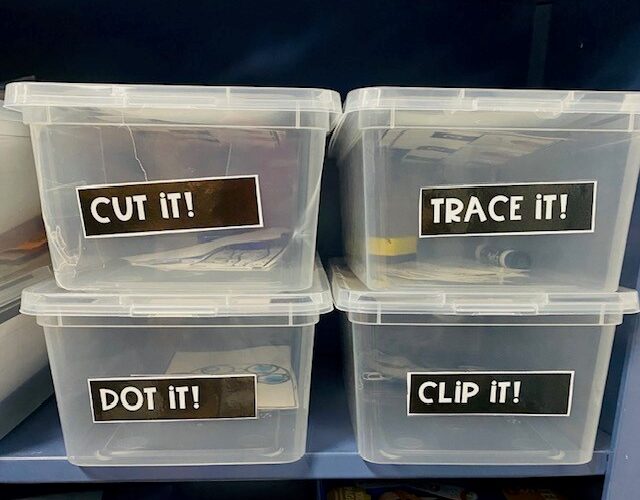
The first week of school is all about creating routines and expectations for students. This helps set you up for a successful school year! At the same time, we want to get to know our students, both as individuals and as learners. What is the best way to accomplish all this? By setting up centers in the first week of school! Keep reading to learn about some quick and easy activities you can implement right away! Setting Routines in the Classroom At the beginning of the school year is is ... continue reading...
How to Set Up Your Classroom Before the Students Arrive
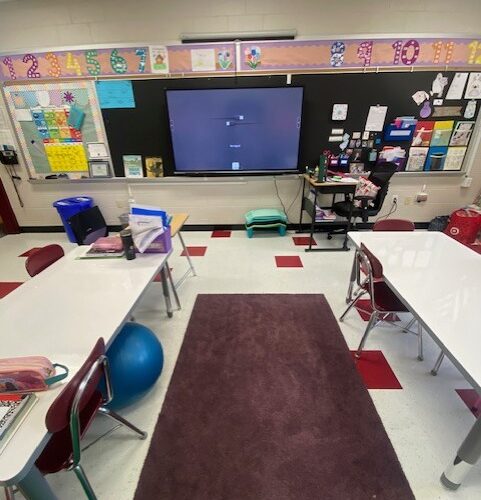
The best way to set yourself up for success for the new school year is to get your classroom space ready to go! Having an organized, prepared classroom helps you feel confident going into the first day of school. Here are some ideas of ways you can set up your classroom before your students arrive, so that you will be ready to go on day one of the school year! Set Up Zones in the Classroom The first thing I like to do to get my classroom ready is to plan the layout of the room. Setting ... continue reading...
Essential Sensory Supports for Self-Contained Classrooms

Sensory supports are crucial for a self-contained classroom. Sensory supports help to regulate students and keep their bodies calm. There are so many sensory supports available but I'm going to share some of my students' favorites! Collaborate with your OT or click here to find more student specific sensory supports for your classroom. Flexible Seating I personally don't love to sit flat in a chair with my legs on the ground, so I don't expect my students to sit that way either. I'm ... continue reading...
How to Run Centers in a Self-Contained Classroom (Without the Chaos)

Centers can be one of the most powerful ways to differentiate instruction in a self-contained classroom. They allow students to work on individualized goals while teachers provide targeted small group instruction. But if you’ve ever tried to run centers without a clear system, you know it can quickly turn into chaos. Students may wander, ask constant questions, or rely heavily on adult prompts to get through each task. The key to successful centers is not more materials or more adult support. ... continue reading...
Self-Contained Classroom Setup: What to Do First (Before Students Walk In)

Setting up a self-contained classroom can feel overwhelming, especially if you're starting from scratch. Many special education teachers walk into a classroom filled with mismatched furniture, random materials, and little guidance on what the space should actually look like for students with diverse needs. The good news is that a self-contained classroom does not need to be perfect. It just needs to be intentional, predictable, and structured in a way that supports independence. If ... continue reading...
Centers Transformation for Your Self-Contained Classroom
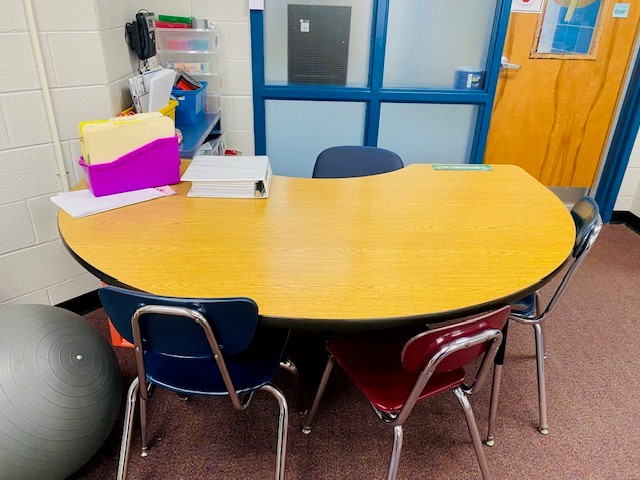
Centers are a game-changer for special education classrooms! They make teaching easier for you and learning easier for your students! Ready to transform your classroom? Read on to learn more about how to incorporate stations into your classroom! Implementing Centers Centers make such a difference in the classroom! For teachers, implementing center rotations allows you to provide targeted instruction to each student or small group of students. Additionally, they allow you to utilize ... continue reading...
February Visual Crafts for Special Education with Visual Checklists
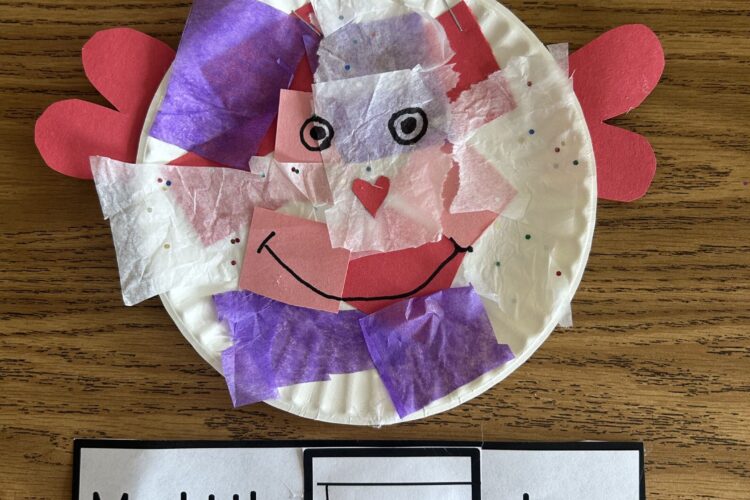
When February rolls around in a Special Education classroom, it brings a small shift in energy. Even in the dreary winter months, there are plenty of fun and creative themes to focus on. In a special education classroom, though, February crafts often serve a bigger purpose. These crafts support fine motor development, sequencing, independence, and confidence in a way that’s structured but enjoyable. This month, I used the Simple Crafts for February from Simply Special Ed, and it ended up being a ... continue reading...
How to Increase Independence in January

January is the time of year associated with fresh starts and new habits. Many of us teachers take some time during the month of January to evaluate what has worked well during the first half of the school year and what systems may need some tweaking. Luckily, the new year brings new opportunities to build independence in the classroom! Read on for some ideas of ways to increase your students' independence this month! The Importance of Independence Increasing student independence is a ... continue reading...
Morning Work Folders for Special Education: A How-to Guide
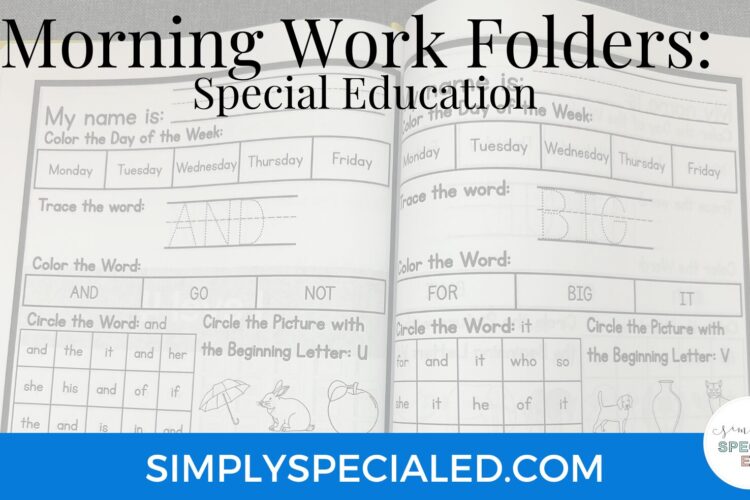
Morning Work Folders for Special Education Morning work folders for Special Education... If you’re like me and have been searching for a simple, organized, and effective way to start the school day in your special education classroom, a morning work folder for Special Education might just be your new best friend. A well-structured morning work routine helps students settle in, practice essential skills, and begin the day with confidence. In this post, you’ll learn the best way to set up a ... continue reading...
Unit Planning for Science and Social Studies

Science and Social Studies lessons can be so fun and engaging for students! By taking a little time to plan out your units, you can make sure that your students receive some great instruction in these two subjects! Read on to see how I unit plan for science and social studies in my self-contained classroom! Creating a Plan for the Year The first step in unit planning is to decide WHAT you are going to teach! If you are a self-contained teacher, you likely teach students for multiple ... continue reading...
Elementary Resource Room Classroom: A day in the life

Welcome!! If you’ve ever wondered what a day in a resource room looks like, let me give you a little tour of how our schedule flows. My classroom is set up as a space where students come and go throughout the day for individualized support. Each child’s schedule looks a little different because their services are based on their IEP goals, but the meat and potatoes of our day is all about meeting students where they are. This looks different in each school and classroom you enter. It’s a bit ... continue reading...
K-5 Autism Classroom Tour
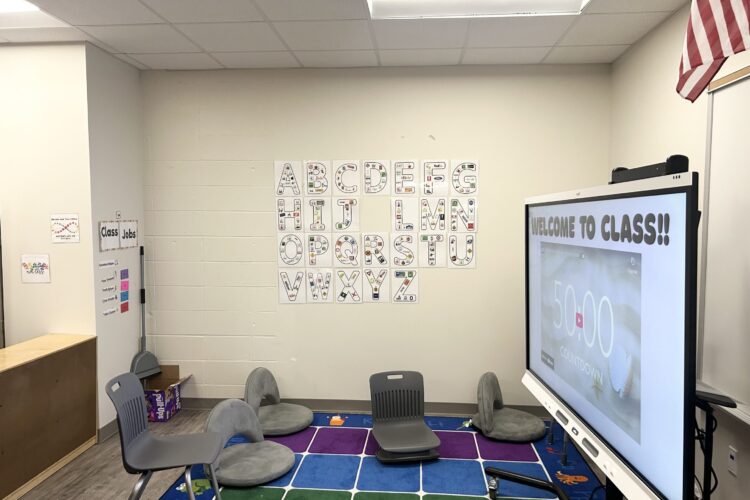
Come on in, and take a look around Mrs. B's K-5 ASD classroom tour! I teach a self-contained elementary (K-5) class for students on the Autism Spectrum who exhibit deficits in communication, behavior, and academics. Classroom setup can be stressful, time-consuming, and overwhelming! Make a plan, get some example ideas, and read all about how I set up my K-5 ASD self-contained classroom! A few things you will notice throughout my classroom are the physical separation of areas, the color coding of ... continue reading...
K-5 Self Contained Classroom Schedule
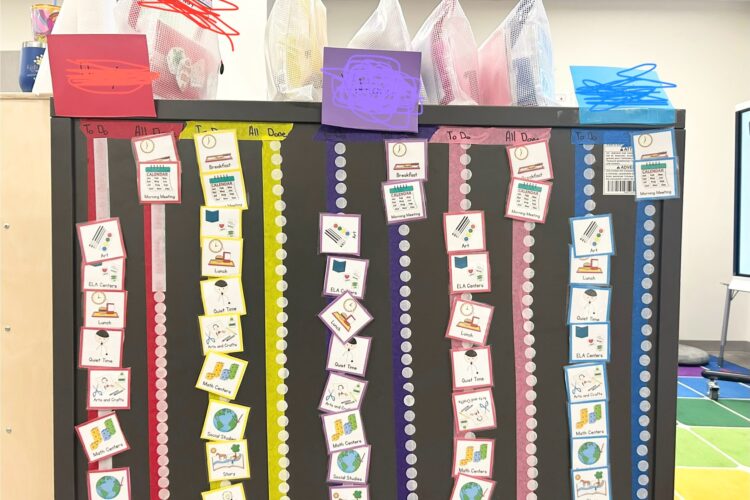
Let's take a walk through our day in a K-5 self-contained classroom! Our day has a lot of moving parts, and it is very structured. We also utilize a large whole-group visual schedule in the class as well as smaller individual visual schedules, so the students know when they are doing what activity. I also have many brain breaks embedded throughout the day, so that is why you do not see any on the schedule. 7:30-8:20 Students start arriving at 7:30! Once they arrive, they can eat breakfast ... continue reading...
- « Previous Page
- 1
- …
- 11
- 12
- 13
- 14
- 15
- …
- 19
- Next Page »